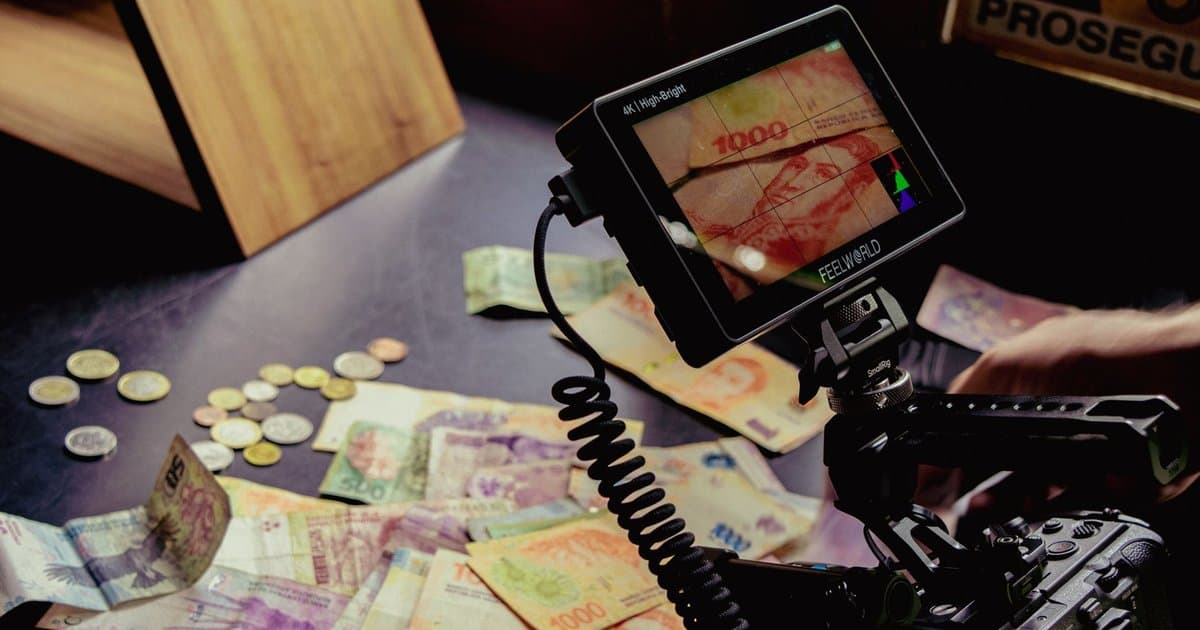
There is a certain confidence in showing up to a shoot and just seeing what happens. No shot list, no outline, just you, the camera, and the moment. It feels loose and creative, like planning would only get in the way of something real. The truth is that filming without a plan almost always costs more than it saves, and most of that cost stays hidden until later. You do not feel it on set, when everything still seems fine. You feel it in the hours, days, and dollars that come after the camera is packed away.
The first cost is time on set, and it drains away faster than people expect. When you have no plan, every shot becomes a decision made in the moment. Where does the camera go, what is the next angle, what did we already get, and what are we forgetting? People stand around waiting while you think it through, and daylight or a booked location does not wait with them. A shoot that could have taken two focused hours stretches into a long, scattered afternoon. That wasted time is the very first thing a simple plan would have protected.
The second cost shows up when you get home and start reviewing what you captured. This is where you discover the shots you never got. Maybe you have plenty of close-ups but no wide shot to establish the scene. Maybe you have the main action but none of the small cutaways that make an edit flow. You cannot add those shots after the fact, and you cannot always cut around the gaps they leave. The footage you did not plan for is footage you simply do not have, and no amount of editing skill brings it back.
The third cost lands in the edit itself, and it is a heavy one. Without a plan, you tend to shoot without coverage, which means you lack the extra angles and pieces that let you cut smoothly. Editing then becomes a fight against your own footage, patching holes and hiding jumps that should not be there. Sometimes the only real fix is a reshoot, and reshoots are expensive in every possible way. They cost another day, another setup, and the goodwill of everyone who has to show up again. A little planning on the front end is far cheaper than a full redo on the back end.
The fourth cost is the one that follows you around, and it is about trust. When a shoot runs long, misses shots, or needs a reshoot, the people who hired you notice all of it. Missed deadlines and a last minute scramble make you look unprepared, even when your camera work is strong. Clients remember how the process felt, not just how the final video looked on screen. That impression quietly decides whether they call you again or go find someone else. Your reputation is built on shoots that run clean, and winging it puts that reputation at risk every single time.
None of this means you have to script every second or squeeze the life out of the room. A plan can be simple and still save you a world of trouble. Write a short shot list of the images you know you need, and leave space on it for surprises. Sketch a rough outline of how the piece should flow before you ever pick up the camera. Visit or at least look up the location, and check your gear the night before so nothing fails at the worst moment. A little structure does not box in your creativity. It protects it, and it protects everything the shoot is supposed to deliver.