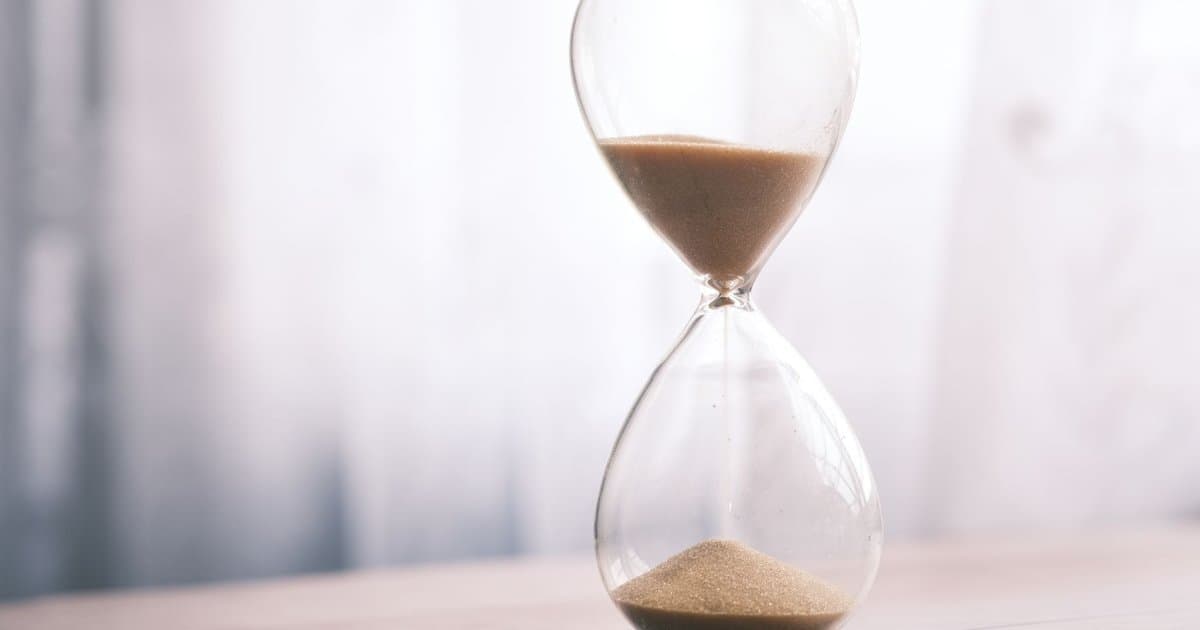
Ask almost anyone over thirty and they will tell you the same thing. Time is moving faster than it used to. A childhood summer felt like it stretched on forever, yet a whole year now vanishes before you have caught your breath. It is one of the most common feelings people share as they age, and it is not just in your head. Something real is happening to how your brain measures the passing of time. The good news is that once you understand it, you can push back.
The oldest explanation is about proportion, and it is surprisingly convincing. When you are five years old, a single year is a fifth of your entire life. That year feels enormous, because it is a huge slice of everything you have ever known. By the time you are fifty, one year is only a fiftieth of your life, a much thinner slice. So the same twelve months feel smaller against the backdrop of everything you have lived. Each year that passes is a smaller fraction of your total, and it feels lighter because of it.
There is a second reason, and it may matter even more. Your brain does not measure time by the clock, it measures it by memories. When life is full of new experiences, it lays down rich, detailed memories, and that stretch of time feels long when you look back. Childhood is packed with firsts, so it leaves a dense trail of memory behind it. As you age, days become routine, and routine leaves almost no trace. A month of the same commute and the same chores blurs into nothing, so it feels like it barely happened.
This is the quiet trap of getting older. As we settle into jobs, homes, and habits, our days start to look alike. The brain is efficient, so it stops recording what it already knows and files repeated days under the same worn label. Fewer new memories means less to look back on, which makes whole seasons feel like they slipped past unnoticed. The routine that gives life comfort is the same routine that speeds it up. Familiarity is easy on the mind but hard on your sense of time.
You have probably felt the reverse without ever naming it. Think about a trip somewhere new, a first week at a job, or a place you had never been. Those days felt long and full, and afterward they seemed to have lasted much longer than they did. That is novelty stretching time, both while you live it and when you remember it. A vacation can feel like two weeks while you are in it and shrink to a snapshot once life is routine again. New experiences are the closest thing we have to slowing the clock.
There may be a physical side to this as well. Some researchers think the brain simply processes images a little more slowly as we age. When we are young, we take in more mental snapshots per second, so a moment feels packed with detail. With fewer snapshots over time, the same event passes with less to hold onto. Attention plays a role too, since a distracted mind notices less and remembers less. However you slice it, the felt speed of time is built inside your own head.
The best part is that you are not powerless here. You can slow your sense of time by feeding your brain new things to record. Take a different route, learn a skill, travel somewhere unfamiliar, or simply break a routine on purpose. Put down the phone and pay full attention to ordinary moments, because attention is what turns a moment into a memory. Meeting new people and changing your surroundings both leave fresh marks behind. The richer your memories, the fuller and slower your years will feel.
So no, you are not imagining it, and nothing is wrong with you. Time feels faster because each year is a smaller share of your life and because routine leaves fewer memories behind. The clock has not changed, but the way your mind records it has. The fix is not to fight the clock, it is to give your brain more worth remembering. Fill your days with a little more newness and attention. Do that, and the years start to feel long again.