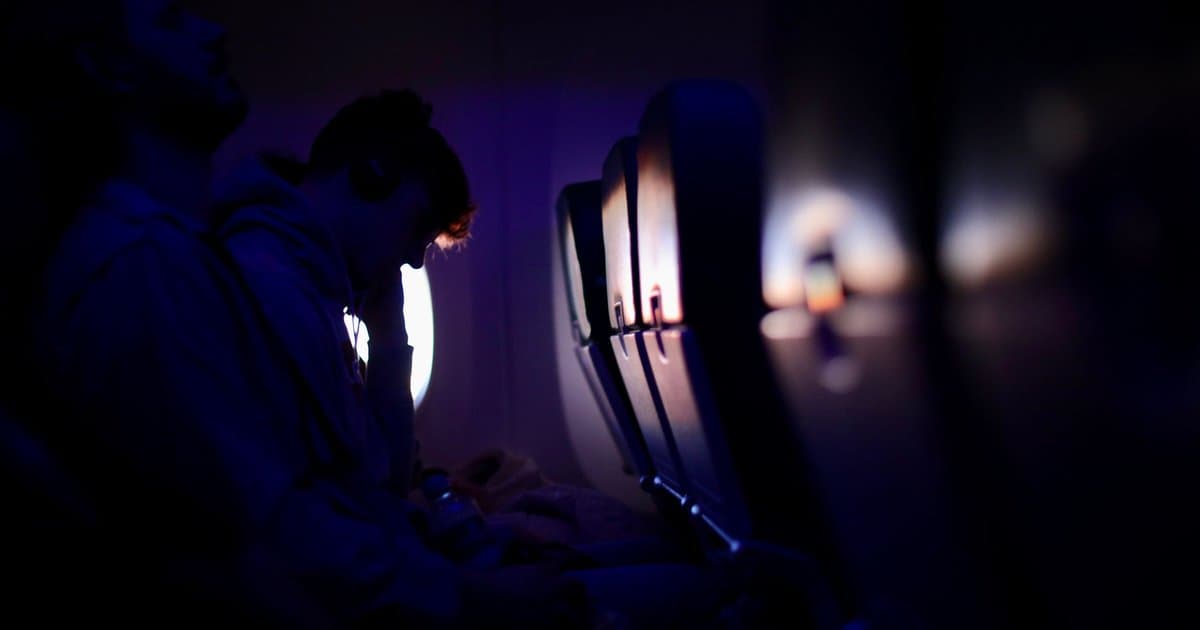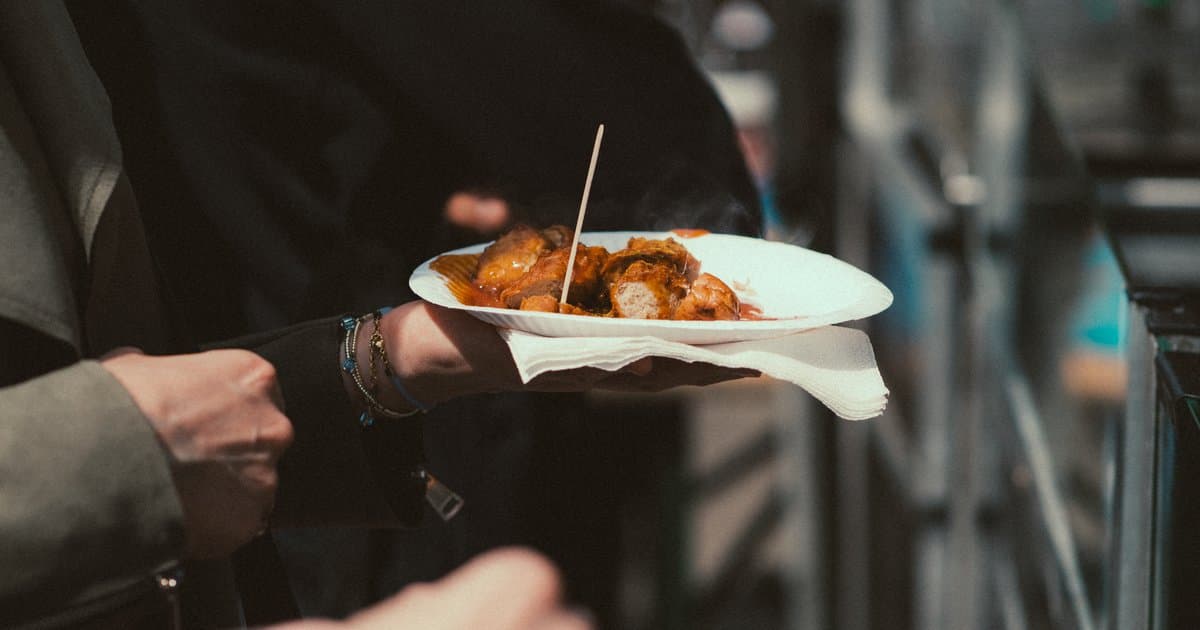
Almost everyone has had the same experience on a plane. The meal arrives, you take a bite, and it tastes flat and dull, like someone forgot to season it. Your first thought is that airline food is just cheap and badly made. That is part of it, but it is not the main reason, and the full answer is more interesting than most people expect. The cabin around you changes how your body perceives taste, and it does so strongly enough that even a good meal would taste worse up there than it does on the ground. Once you understand what is happening, the bland tray makes a lot more sense.
The biggest factor is the air itself. A plane cabin is pressurized to feel like you are on a mountain rather than at sea level, and the air is kept extremely dry, often drier than most deserts. That combination does real work on your senses. The low pressure and low humidity dull your sense of smell, and smell is a huge part of what you experience as flavor. Most of what people call taste is actually the aroma of the food traveling up the back of your throat to your nose. When your nose is effectively half offline, the food arrives with much of its flavor missing, and what is left tastes thin and washed out.
The effect is not even across all flavors, which is a detail people rarely notice. Research on this has found that your perception of sweet and salty flavors drops the most in cabin conditions, sometimes by a large margin. Sour, bitter, and spicy hold up better, and one taste actually survives well, which is why tomato juice and similar drinks suddenly appeal to people on planes who never order them on the ground. So the meal is not only muted, it is muted unevenly. The sugar and salt that would normally make a dish feel satisfying are exactly the notes the cabin steals, which leaves the food tasting oddly hollow even when it is not poorly cooked.
Then there is the noise, which does more than annoy you. A cabin sits at a constant loud hum from the engines and airflow, and studies have shown that this kind of steady background noise reduces how well people perceive sweetness and blunts flavor overall. Your brain is spending effort filtering that roar, and taste perception quietly takes a hit as a result. It is a strange idea that what you hear affects what you taste, but the effect is real and measurable. So between the dry low pressure air and the constant noise, your body is set up to under taste everything before the food even reaches you.
Catering does play its part on top of all this, and airlines actually know about the sensory problem. Meals are cooked in large batches on the ground, chilled, loaded, then reheated in the air, and reheating almost always costs a dish some quality and texture. Knowing that taste will be dulled, many airlines deliberately season food more heavily and lean on stronger, bolder flavors so that something survives the trip. Some carriers add extra salt or spice specifically to fight the cabin effect. That is why a dish that would taste over seasoned in your kitchen can taste just about right, or still slightly flat, at altitude. The cooking is aimed at a mouth that is not working at full strength.
There are a few things you can do about it if a meal matters to you. Staying well hydrated helps a little, since some of the dullness ties back to how dry everything is, including your own nose and mouth. Choosing dishes with naturally strong flavors tends to work better than delicate ones that depend on subtlety you will not be able to detect. Many frequent travelers quietly swear by tomato based drinks and savory, umami rich foods precisely because those hold their character in the air. And if you want to actually taste your food, a meal before or after the flight will always beat one served in the middle of it. It also helps to lower your expectations for what a tray at altitude can deliver, because you are fighting biology, not just the caterer. A snack you brought from the ground, eaten while your senses are still muted, will taste better than it looks for the same reasons the hot meal does not.
So the bland tray is not entirely the airline letting you down. It is your own senses turned down by low pressure, dry air, and constant noise, all working together on your nose and tongue at once. The food is fighting an uphill battle before it ever reaches your seat. Next time it tastes like not much, you will at least know the cabin deserves most of the blame, and that even a home cooked favorite would lose some of its shine at cruising altitude.