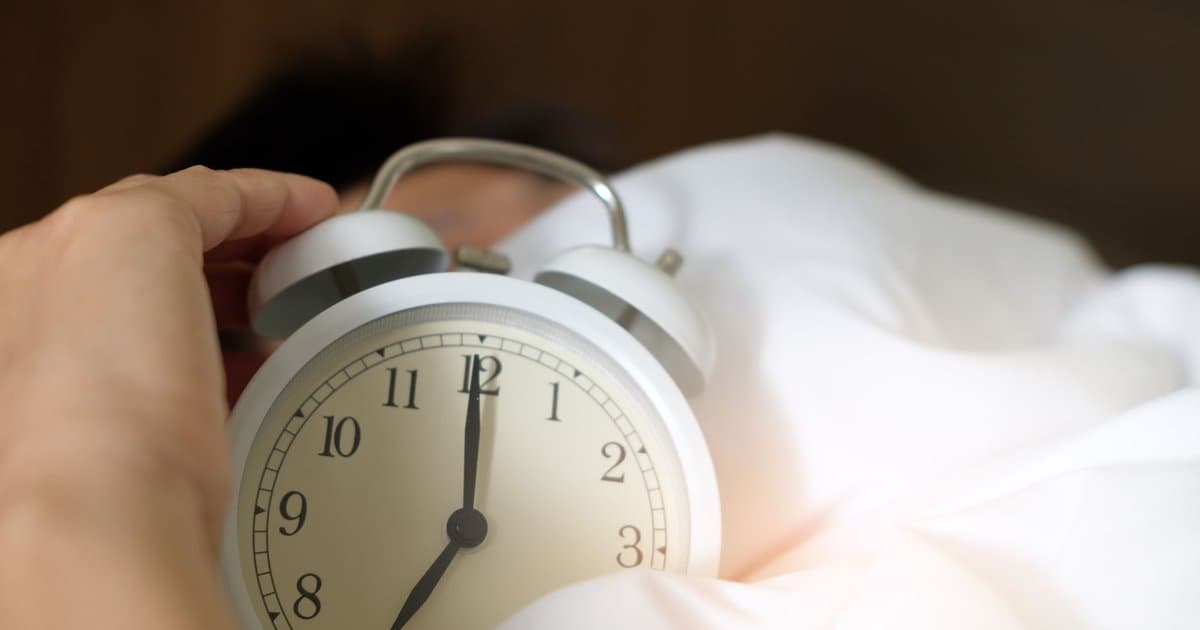
It is one of the most frustrating feelings there is. You go to bed at a decent hour, you get your full eight hours, and you still wake up feeling like you barely slept at all. The instinct is to assume you need even more time in bed, so you go to sleep earlier the next night and somehow feel worse. The truth is that total sleep time is only one piece of the puzzle, and it is often not the piece that is broken. How you sleep matters as much as how long, and the moment you wake up matters more than almost anyone realizes. Once you understand what your body is actually doing at night, that morning fog starts to make sense.
Sleep moves in cycles, each one running roughly ninety minutes, cycling from light sleep into deep sleep and then into the dreaming stage. Deep sleep is when your body does its physical repair, and the dreaming stage is when your brain sorts and stores everything from the day. A full night is really four to six of these cycles stacked on top of each other. The problem is that your alarm does not care which stage you are in when it goes off. If it pulls you out of the middle of deep sleep, you get hit with grogginess that can last twenty to thirty minutes no matter how much total sleep you logged. That heavy, drugged feeling has a name, sleep inertia, and it is often the real culprit behind a bad morning.
This is why waking up before your alarm sometimes leaves you feeling sharper than sleeping the extra half hour. Your body tends to surface naturally at the end of a cycle, in lighter sleep, which is the easiest stage to wake from. Beat the alarm and you catch that window, but sleep through it and the alarm can drag you up from the bottom of a cycle instead. The fix many people miss is to count backward in ninety minute blocks from when they have to get up. Aiming to fall asleep at a time that lands your alarm at the end of a cycle often beats simply going to bed earlier. Slightly less sleep timed well can leave you more rested than more sleep timed badly.
Sleep stages are not the whole story, though, and a few other quiet thieves are usually involved. Alcohol close to bedtime wrecks the deep and dreaming stages even when it helps you fall asleep faster, which is why a nightcap leaves you hollow the next day. A warm, bright, or noisy room keeps you stuck in lighter sleep and never lets you fully drop into repair. Eating late forces your body to digest when it should be recovering, and scrolling in bed floods your brain with light that delays the whole cycle. Even mild dehydration can leave you waking up foggy and reaching for coffee you do not actually need. None of these show up on a clock that only counts hours.
So before you assume you are broken or that you need a supplement, look at the conditions around your sleep. Keep the room cool, dark, and quiet, cut the alcohol and the late snacks, and put the phone down before your head hits the pillow. Try timing your bedtime so the alarm catches you in lighter sleep, and on the mornings you wake up naturally, consider getting up instead of forcing another cycle you will not finish. Give your body consistent sleep and wake times, even on weekends, and the cycles start to line up on their own. The goal was never just more hours in bed. It was waking up at the right moment, in the right conditions, with sleep that actually did its job.