You have done it a thousand times without thinking. A box appears, you check it to swear you are not a robot, and maybe you click every square with a traffic light before a page will let you through. It feels like a small toll, a few seconds of proving you are a real person. What almost nobody explains is what happens on the other side of that click. The puzzle is doing two jobs at once. One of them is stopping bots, and the other one has quietly helped build some of the most powerful technology on the internet.
Start with the basic idea. The tool is called a CAPTCHA, which stands for a public test to tell computers and humans apart. Its official purpose is to keep automated programs out of places meant for people. Without it, bots would mass register fake accounts, buy up concert tickets in seconds, hammer login pages with stolen passwords, and flood comment sections with junk. A test that is easy for a person but hard for a machine is a cheap way to hold that line. That was the whole pitch when these puzzles first showed up. The need was real from the very first day. Spam never sleeps, and neither do the bots.
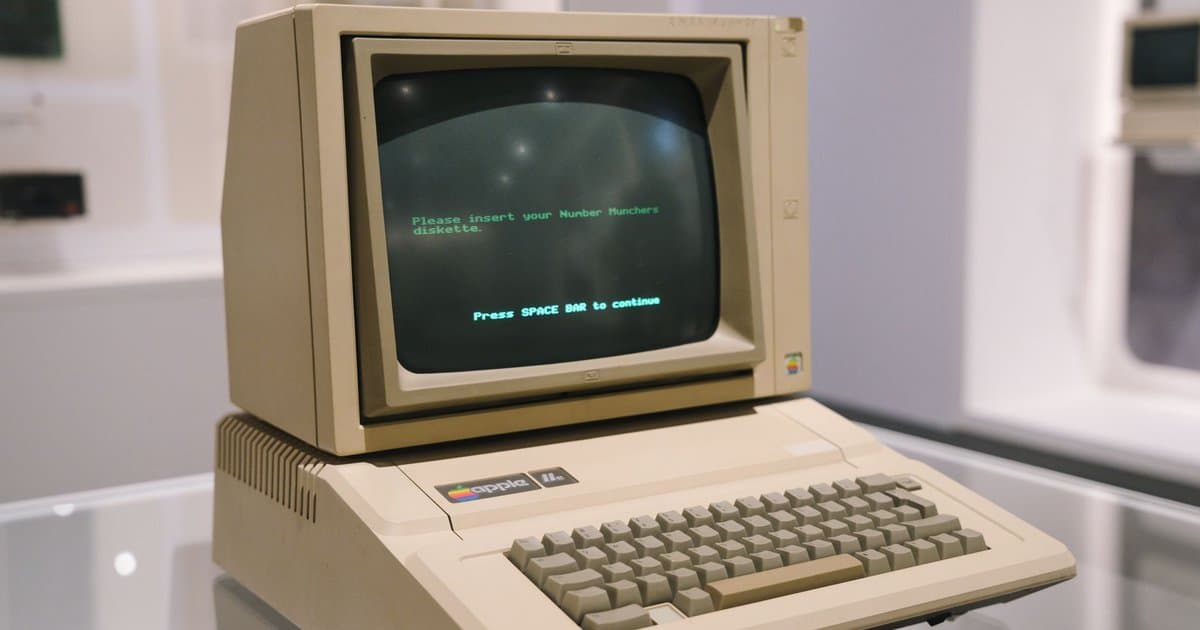
The clever twist came from a version called reCAPTCHA, which a large search company bought back in 2009. Instead of random distorted letters, it often showed you two words at once. One word the system already knew, and it used that to check your answer. The second word came from an old book or newspaper that a scanning computer had failed to read. When you typed that second word, you were quietly correcting the machine. Millions of people doing this together helped digitize entire libraries and newspaper archives, one squinted word at a time.
Then the puzzles changed again, and so did the hidden job. The letters gave way to photos. Select all the storefronts, the crosswalks, the buses, the traffic lights. Each time you tapped the right squares, you were labeling an image for a computer that was learning to see. That labeled data fed systems that read street signs and house numbers, and later it helped train the kind of vision models that guide self driving cars. The annoying grid of blurry pictures was really a classroom, and you were the unpaid teacher standing at the front.
There is a real irony buried in all of this. The test exists to prove you are human and to keep machines out. Yet the way it works is by using human judgment to make machines smarter. Every label you provide helps a computer get better at recognizing the exact things the puzzle asks about. Over time, that same progress lets automated systems solve these image puzzles as well as people can, and sometimes better. The gate teaches the intruder how to climb it, which is a big part of why the puzzles keep changing shape.
The newest versions barely look like a test at all. Modern systems often score you in the background before you touch anything. They watch how your mouse drifts toward the checkbox, how fast you scroll, and signals tied to your browser and your past activity. Based on all of that, they hand you a quiet risk score. If you look clearly human, you sail through with a single click or no puzzle at all. If something seems off, that is the moment you get buried in traffic lights as a second check.
This is where it gets a little uncomfortable. To judge whether you are human without a puzzle, these tools have to watch your behavior. They often lean on the cookies and the account session you already carry around the web. In practice, the same system that waves you through is also building a picture of how you move online. That is the trade you are making, usually without being told about it. Convenience on one side, a bit more tracking on the other, all wrapped up in a friendly little checkbox. You rarely see that half of the bargain. Most people never think to ask about it.
So why do websites keep asking you to prove you are human? The short answer is that bots are a genuine and expensive problem, and separating them from real people protects accounts, prices, and basic order online. The longer answer is that the test was never only a gate. It has always doubled as a way to collect something valuable from you, first corrected text, then labeled images, and now behavior. None of this makes the tool evil, and it solves a real need every day. It is just a good reminder that when a task online is free and mildly annoying, there is a decent chance you are the one doing the work.