Ask any parent of a teenager and you will hear the same puzzle. A kid who is smart, kind, and perfectly able to explain why something is dangerous will go and do it anyway. They know the risk. They can recite it right back to you. And then in the heat of the moment, with friends around, they take the leap regardless. It is tempting to call this foolishness, but the truth is more interesting than that, and it starts inside the brain.
The teenage brain does not grow all at once. It builds in pieces, and two of those pieces come online at very different times. One is the reward system deep in the brain, the part that lights up at excitement, novelty, and the thrill of something new. It matures early, and during the teen years it runs hot. The other is the prefrontal cortex, the region behind the forehead that handles planning, judgment, and putting on the brakes. That part is the last to finish developing, and it is not fully wired until the mid twenties.
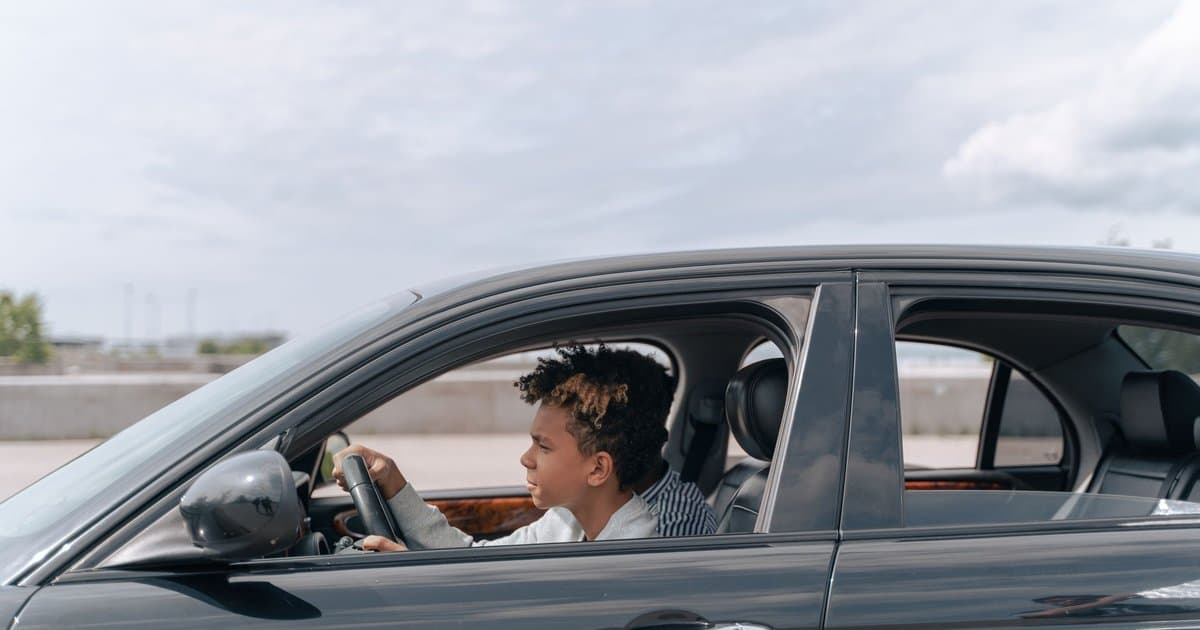
Picture those two systems as parts of a car. In a teenager, the gas pedal is fully installed and pressed down hard. The brakes, though, are still being built and tested. The result is a driver with a powerful engine and controls that have not quite caught up to it. This is not a flaw in one particular kid or a sign of bad parenting. It is a normal stage that nearly every human passes through on the way to an adult brain.
Chemistry adds even more fuel to the gap. During adolescence, the brain becomes especially sensitive to dopamine, the signal tied to reward and pleasure. A win that would feel merely nice to an adult can feel enormous to a teenager. That intensity makes risky choices more tempting, because the possible payoff glows far brighter than the possible cost. The same wiring that makes a first crush or a new song feel overwhelming also makes a dare hard to turn down. The reward simply shouts louder than the warning does.
Now add friends into the mix, because they change everything. Studies show that teenagers take far more risks when they believe other teens are watching them. Put a young person alone in a room and their choices tend to look fairly careful. Put their peers nearby, even sitting silently, and the willingness to gamble jumps sharply. The presence of friends appears to fire up the reward system even more, tilting the scales toward the bold move. For a teenager, the approval of the group is one of the strongest pulls there is.
It helps to ask why the brain would even be built this way. This pattern is not a design mistake, it is an old survival tool. For most of human history, the teenage years were when a young person had to leave the safety of home, explore, take chances, and build a life of their own. A brain that craved novelty and tolerated risk pushed them out into the world to do exactly that. The same drive that looks reckless in a mall parking lot once helped our ancestors grow up and move on. Nature turned up the appetite for risk on purpose.
That same wiring is not only about danger, though. The push toward risk and reward is also what makes adolescence a time of huge growth. It drives teenagers to try new things, meet new people, chase big goals, and stretch past what they knew as children. The willingness to fail is a real part of how they learn faster than they ever will again. Creativity, independence, and courage all draw on that very same engine. The trick is not to shut the engine down, but to point it somewhere worthwhile.
For the adults around a teenager, all of this changes the job. Lectures alone do very little, because the problem is not a lack of information, it is a brain still building its brakes. What helps far more is shaping the situation around them. Keeping caring adults present, delaying the biggest decisions, and leaving room to make small mistakes safely all work with the biology instead of against it. It also helps to remember that this stage does end, and the brakes really do finish forming with time. Understanding why a teenager reaches for risk is the first step toward guiding them through it, rather than just being baffled by it.