Anyone who has watched a young child learn a language has seen something strange. A four year old dropped into a new country can be chatting with the neighbors in months. Their parents, studying the same language with books and apps, still stumble over basic sentences a year later. It feels unfair, and it looks almost like magic. There is a real reason behind it, and it is not that kids are smarter than adults. It comes down to how a young brain is built and how that changes with age.
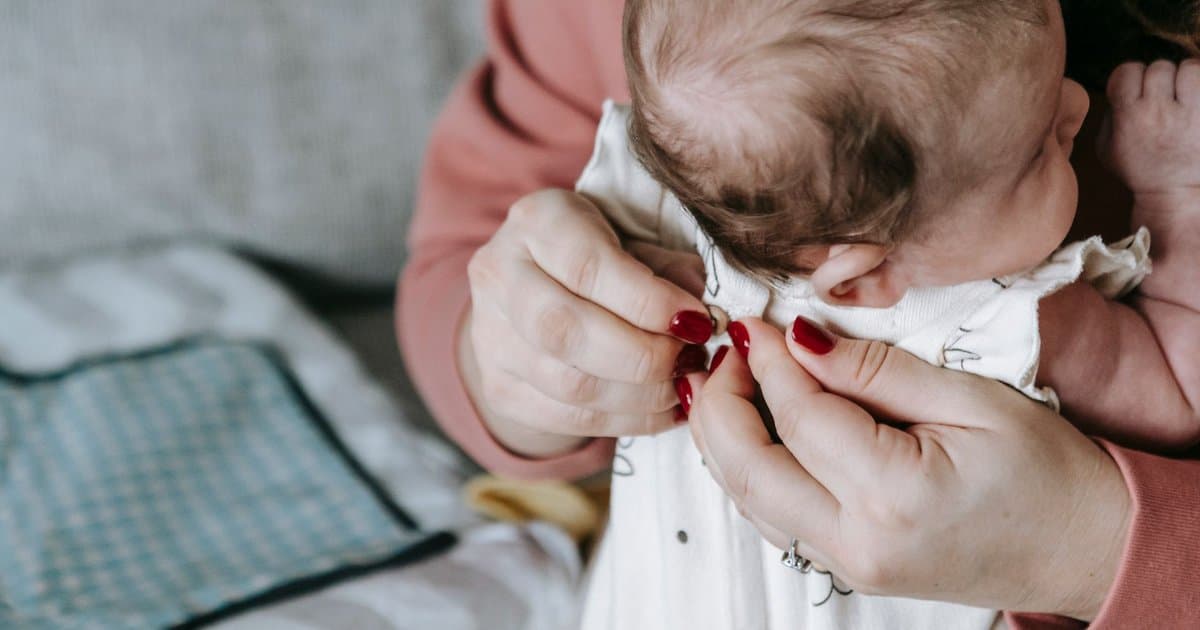
Babies start out as citizens of every language at once. In the first months of life, an infant can hear the difference between sounds from any language on earth. A baby in one country can tell apart sounds that adults there cannot even notice. Over the first year, the brain starts to specialize in the sounds it hears the most. It sharpens the ones it needs and lets the others fade away. By around their first birthday, babies have already begun tuning their ears to home.
This early tuning is why accents are so hard to shake later. The sounds you were not exposed to as a baby become the ones you struggle to hear and make as an adult. A young child learning a new language is still flexible enough to pick up its sounds cleanly. An adult brain has already committed to one set of sounds and resists the new ones. That is why a child often ends up with a perfect accent while a parent keeps theirs. The window for effortless sound learning starts closing early.
Grammar seems to follow a similar pattern. Researchers talk about a critical period, a stretch of childhood when language comes in almost on its own. During those years, kids soak up the rules of a language without being taught them directly. They do not memorize grammar tables or drill verb endings. They simply hear enough of the language and start producing it, mistakes and all. That kind of easy absorption gets harder as the teenage years arrive.
There is also a quieter reason, and it has nothing to do with the brain. Young children are not afraid to sound foolish. They will guess, mangle a word, and try again without a hint of embarrassment. Adults freeze because they hate making mistakes in front of other people. That fear slows learning more than most of us admit. A child fails their way to fluency while an adult stays silent to avoid looking silly.
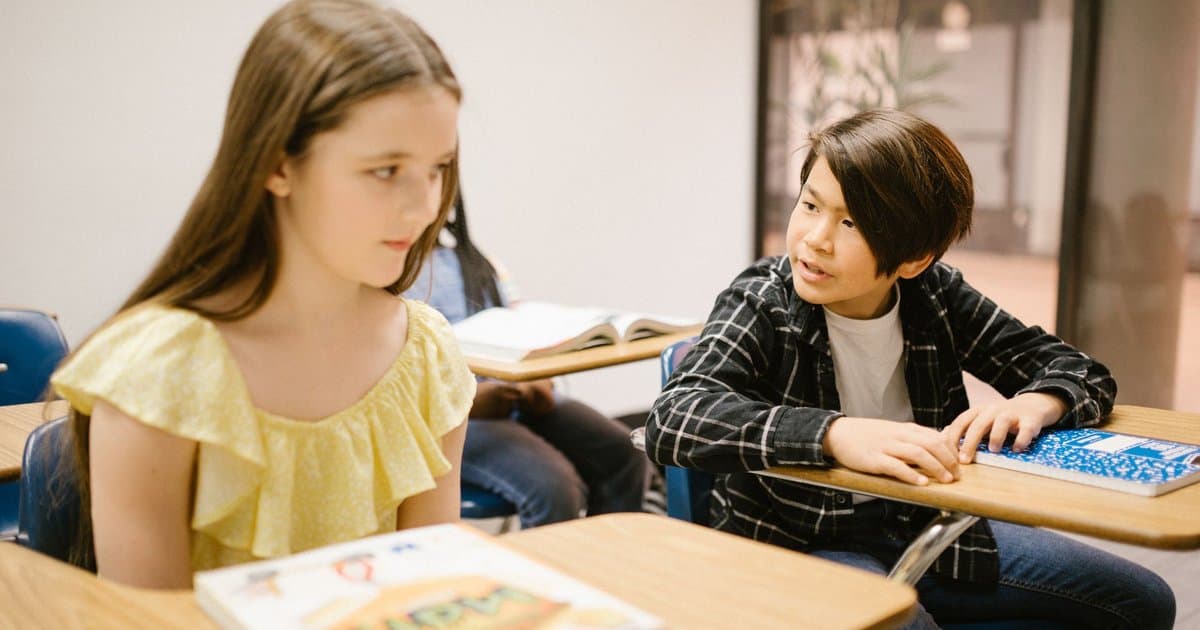
Kids also get something adults rarely do, which is total immersion with low stakes. A child at school hears the new language all day, tied to real needs like play and friendship. Nobody hands them a grammar quiz at recess. They learn because they want to be understood by the kids next to them. Adults usually get an hour of practice squeezed between work and errands. The sheer amount of contact a child gets would be hard for any grown up to match.
This is worth knowing if you are raising children in more than one language. A common worry is that two languages at once will confuse a child or slow them down. The research points the other way, since kids can handle two or even three languages just fine. They may mix words for a while, which is normal and passes on its own. Starting early gives them the sound advantage that fades with age. There is no reason to wait until they are older to begin.
The lesson for adults is not that the door is shut. Grown ups can and do learn new languages, just with more effort and rarely a flawless accent. What helps is copying what kids do, which means lots of contact and a willingness to sound wrong. Talk before you feel ready, and let the mistakes happen out loud. The child real secret is not a magic brain alone. It is fearless practice, all day long, without the fear of looking foolish.