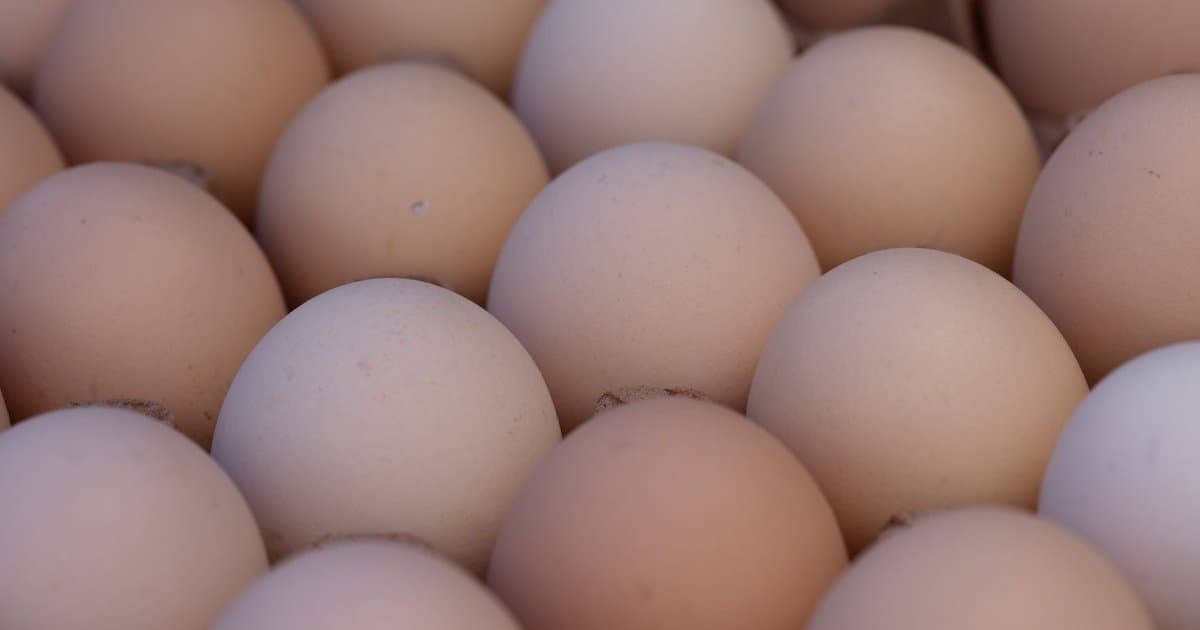
Stand in front of the egg case and you will usually see it. The brown eggs cost more than the white ones, sometimes by a good bit. Most people assume the brown ones must be better somehow, more natural, more farm fresh, maybe even healthier. That assumption is doing a lot of quiet work, and it is mostly wrong. The price gap is real, but the reason behind it has almost nothing to do with quality. It comes down to the hen, the feed bill, and a bit of clever marketing.
Start with what sets the color in the first place. The shell color of an egg is decided by the breed of the hen, plain and simple. It is genetics, the same way a dog's coat color is set by its breed. Hens with white feathers, like the White Leghorn, tend to lay white eggs. Hens with reddish brown feathers, like the Rhode Island Red or the Plymouth Rock, tend to lay brown eggs. There is even a rough shortcut for it. Check the hen's earlobe, believe it or not, since a white earlobe usually means white eggs while a red one usually means brown.
So why does the color track with a higher price. The brown egg breeds are, on average, bigger birds. A bigger bird eats more feed to keep itself going and to make an egg. Feed is the single largest cost in running a flock, so more feed per egg means a higher cost to make that egg. For years, that extra feed bill got passed straight to you at the register. The brown egg did not cost more because it was better in any way. It cost more because the hen that laid it simply ate more.
Then marketing took over and told a nicer story. Somewhere along the way, brown eggs got tied in shoppers' minds to words like natural, wholesome, and farm raised. White eggs, by contrast, started to feel plain and factory made, even though nothing about the color says any of that. Stores leaned into the idea because the premium was good for business. People saw the higher price and read it as a sign of higher quality, which made them even more willing to pay it. The belief and the price quietly fed each other in a tidy little loop.
Here is the part that should save you money. Crack a brown egg and a white egg into the same pan, and there is no meaningful difference between them. Same protein, same fat, same vitamins, same taste. The shell color does not touch what is inside in any way that matters to your body. If one egg is richer in something like omega 3 or vitamin D, that comes from what the hen was fed, not from the color of her shell. A white egg from a well fed hen beats a brown egg from a poorly fed one every time.
While we are clearing things up, the yolk color fools people too. A deep orange yolk looks richer and healthier than a pale yellow one, and folks often pay up for it. But yolk color also comes from diet, not from quality or shell color. Hens that eat lots of leafy greens, corn, or marigold petals make darker yolks because of the plant pigments in that food. A farmer can nudge the yolk color by changing the feed. So a bright orange yolk tells you about the hen's menu, not about whether the egg is better for you.
The good news is that the old price gap has been closing. As farms bred more efficient brown egg hens and got smarter about feed, the real cost difference shrank. In a lot of stores today, plain brown and plain white eggs sit much closer in price than they used to. Where you still see a big premium, it is usually tied to a label like organic, free range, or pasture raised, not to the brown shell by itself. Those labels describe how the hen lived and ate, which can be worth paying for. The color of the shell, though, is not the thing you are actually buying.
So next time you are standing at the case, you can shop with clear eyes. If brown eggs and white eggs are close in price, grab whichever you like the look of, because your body will never know the difference. If the brown ones cost noticeably more for no reason other than color, the white carton is the smarter buy. Save the extra dollars for the labels that actually change the egg, like how the birds were raised and fed. The shell is just packaging the hen came up with. What counts is on the inside, and on the inside they are twins.