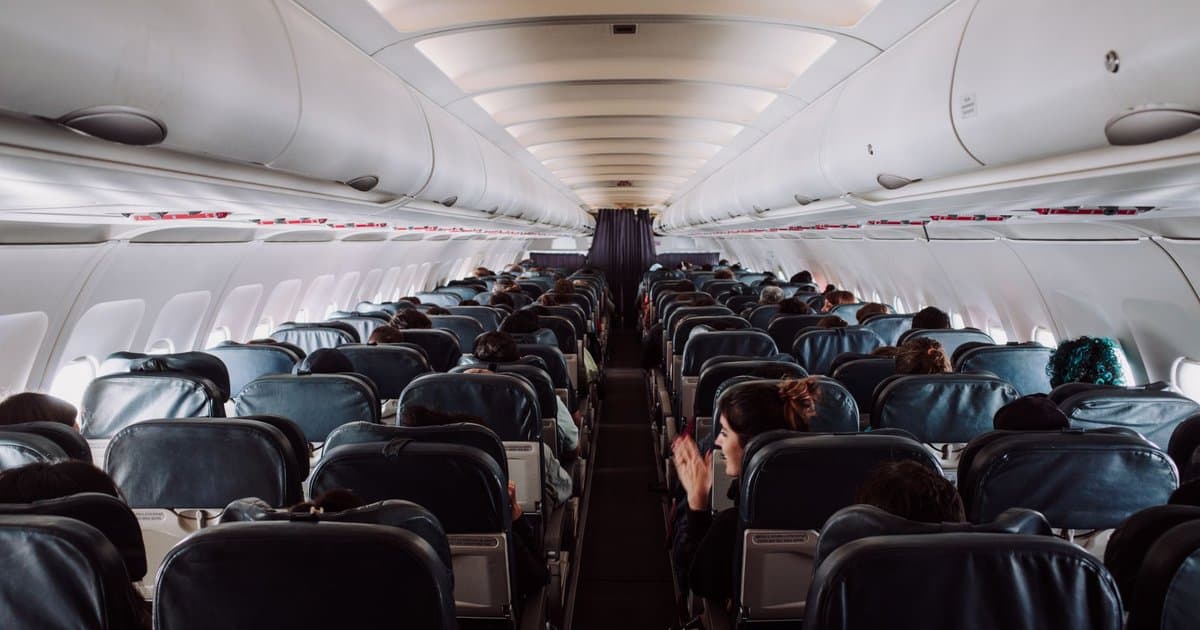
It sounds like a mistake or a scam, but airlines do it on purpose every single day. They sell more tickets for a flight than there are seats on the plane. On a busy route, a jet with one hundred and eighty seats might sell one hundred and ninety tickets or more. Most of the time no one ever notices, and the plane pushes back from the gate with a seat or two to spare. Every so often it goes the other way and more passengers show up than the plane can hold. Behind that gamble sits a surprising amount of math, and understanding it can actually put money in your pocket.
The reason comes down to a simple, stubborn fact. On almost every flight, some people who bought a ticket do not get on the plane. They miss a connection, get stuck in traffic, change plans, or book a flexible fare and simply decide not to go. An empty seat on a departed flight is worth nothing, and it can never be sold again once the door closes. That lost seat is pure lost revenue for the airline. So rather than fly with empty rows, airlines sell a few extra tickets to cover the seats they expect to sit empty. If their guess is right, the plane leaves full and everyone who shows up gets on.
The guessing is not random, and this is where it gets interesting. Airlines have decades of data on who shows up and who does not, broken down by route, day, season, and fare type. A Monday morning business route has different no show rates than a Saturday vacation flight. Ticket prices, weather, holidays, and even the time of day all feed into the estimate. Using that history, the airline predicts how many people will actually board and sells tickets to match. It is a statistical bet made thousands of times a day across a whole fleet, and on average it pays off. The rare miss is the price of filling millions of seats that would otherwise fly empty.
When the bet misses, the airline has a problem it must solve right at the gate. More passengers show up than there are seats, and someone has to stay behind. The first step is almost always to ask for volunteers. You have probably heard a gate agent offer a travel voucher, a hotel, and a seat on the next flight to anyone willing to give up their spot. If enough people raise their hands, the problem solves itself and those volunteers walk away with a nice payout. When not enough volunteers step forward, the airline has to bump passengers against their will, and that is where the rules get serious.
Here is the part most travelers never learn, and it is worth knowing. If you get bumped from an oversold flight against your will inside the United States, federal rules may entitle you to cash compensation, not just a voucher. The amount depends on how long the delay is and the price of your ticket, and it can reach several hundred dollars or more for a long delay. This is money the airline owes you by law, separate from your original fare. Many people accept a flight voucher on the spot without realizing they could ask for a check instead. Knowing the difference between a voluntary deal and an involuntary bump can be the difference between a coupon and real cash.
If you would rather not get bumped at all, a few habits tilt the odds in your favor. Check in as early as you can, since airlines often bump the last passengers to check in first. Hold a seat assignment rather than leaving it open, because a confirmed seat is harder to take away. Avoid the cheapest, most restrictive fares on packed routes if certainty matters to you that day. Joining the airline loyalty program helps too, since frequent flyers usually sit lower on the bump list. None of these are guarantees, but together they move you toward the front of the line and away from the gate agent's hard choice.
There is also a way to turn oversold flights to your advantage on purpose. If your schedule is flexible, an oversold flight is an opportunity rather than a headache. When the gate agent asks for volunteers, you can offer to give up your seat in exchange for compensation, and you can negotiate. Ask what the voucher is worth, whether they will cover a meal and a hotel, and how soon the next confirmed flight leaves. Get the new seat confirmed before you hand over your boarding pass, so you are not left stranded. Travelers with an open afternoon have turned a short delay into hundreds of dollars in credit this way.
So the next time you hear that a flight is oversold, you will know what is really going on. It is not a blunder. It is a calculated bet built on decades of data about human behavior, one that usually works and occasionally does not. The system exists because empty seats cost airlines money, and filling them keeps fares lower than they would otherwise be. When the bet misses, the rules are on your side more than most passengers realize. Learn how bumping and compensation work, and a moment that frustrates the whole gate can quietly work out in your favor.