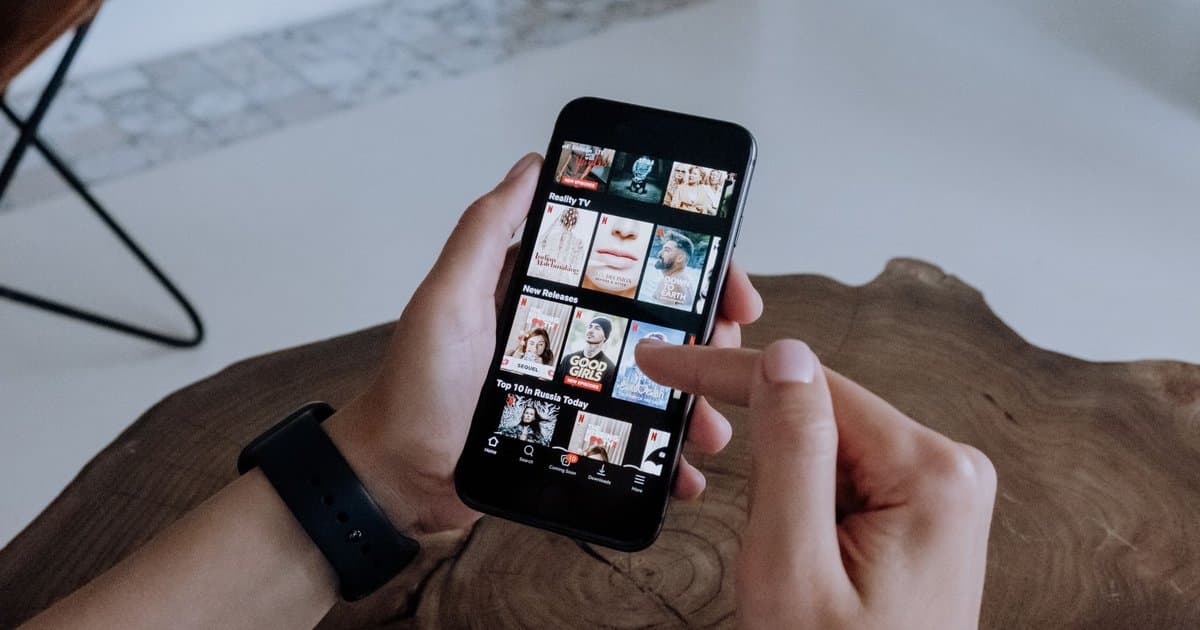
You found a show you loved, told everyone about it, and waited for the next season that never came. The cast seemed shocked, the fans were loud, and the numbers looked fine from where you were sitting. Then a quiet press release said it had been cancelled, and nobody gave a real explanation. This happens constantly now, and it happens to good shows with real audiences, not just to flops nobody watched. The frustrating part is that the reasons are mostly invisible to the people who actually care. Once you understand how the streaming business counts a show, the pattern stops feeling random and starts feeling almost predictable.
Start with the most important fact. On a streaming service, you are not paying for one show, you are paying one flat fee for everything. That means a platform cannot point to a single program and say it earned a specific amount of money the way a movie ticket does. Instead they measure how many people a show pulls in, how many it keeps subscribed, and how much it cost to make all of that happen. A show can be watched by millions and still be judged a loser if those millions would have stayed subscribed anyway. The question is never just did people watch. The question is did this show bring in new subscribers or stop existing ones from leaving.
Cost is the second half of the equation, and it climbs fast. A first season is relatively cheap because the cast signs early contracts and nobody has leverage yet. By the third season, lead actors renegotiate, salaries jump, and the budget can double or triple for the same number of episodes. At the same time, the rush of new viewers usually slows after the first two seasons, because most of the people who were going to discover it already have. So the service ends up paying much more to reach a crowd that is no longer growing. That gap between rising cost and flattening growth is where a lot of beloved shows quietly die.
There is also the matter of what the first few weeks tell the algorithm. Platforms judge a new season largely on how fast people start it after it drops, not on whether they finish it months later. A show that people save for a slow weekend can look weak in that early window even if it is adored by everyone who eventually watches. Completion matters too, and many viewers drift away halfway through a season without ever meaning to quit. The system reads that drift as a signal the show is not holding attention, even when life simply got busy. None of this captures love or loyalty, because love and loyalty are hard to put in a spreadsheet.
Then there is the cold logic of the back catalog. Streaming services have learned that a finished show with a clear ending sometimes keeps performing for years, while an ongoing show demands new spending every single cycle. Two seasons is often enough to fill out a library, give subscribers something to binge, and avoid the expensive contract renewals that a third season triggers. From the inside, cancelling can look like a reasonable financial decision rather than a verdict on quality. That is genuinely hard to hear as a fan, because it means the show did not fail you, the math just stopped favoring it. The story was working, the business case was not.
So what does this mean for how you watch. If you want a show to survive, the single most useful thing you can do is watch it quickly when it releases, because that early window carries the most weight. Finishing a season also matters more than people realize, since completion is one of the cleaner signals a platform trusts. Talking about it online helps at the margins, but raw, fast viewing is the language these companies actually read. None of this guarantees a renewal, and you should not feel responsible for a corporate spreadsheet. It just helps to know that the timing of your attention counts for more than the depth of it.
The honest takeaway is that cancellation is rarely the insult it feels like. Your favorite show was probably not bad, badly reviewed, or unloved. It most likely got caught between a budget that was climbing and an audience that had stopped growing, judged in a window too short to show how much people cared. Understanding that will not bring the next season back, but it does change how you read the news. The next time something you love disappears, you can skip the search for a villain. The villain is usually just arithmetic, and arithmetic does not watch the show.