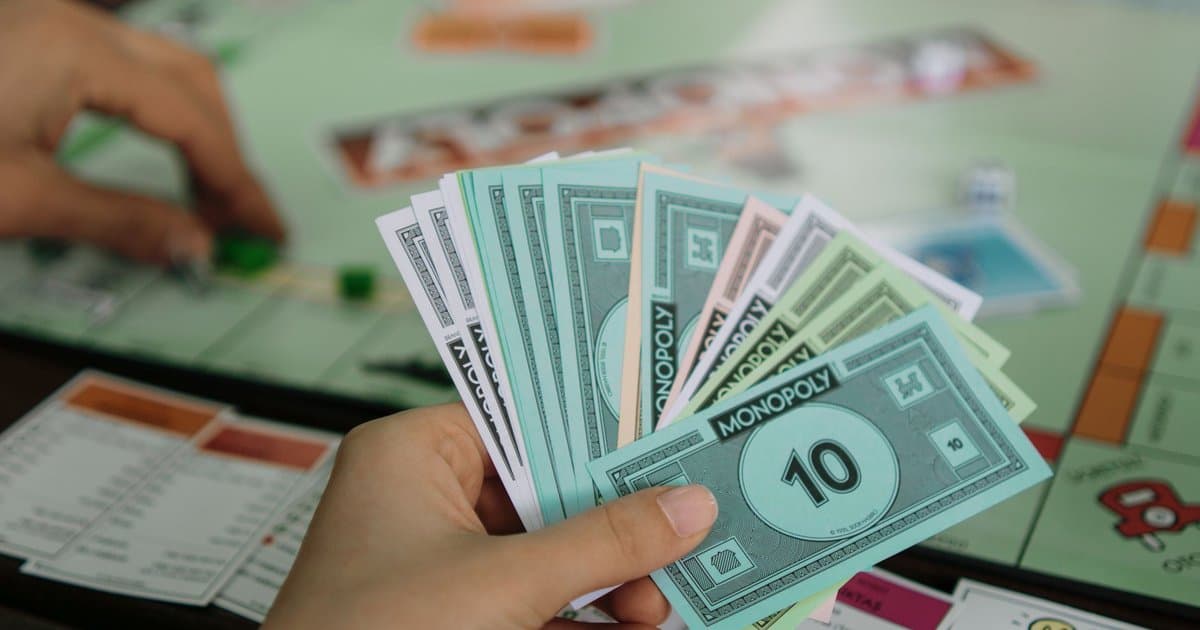
Most people think Monopoly was made just to have fun. The truth is stranger than that. The game was first built to teach a lesson, and that lesson was the opposite of what most players take from it today. A woman named Lizzie Magie made it more than a hundred years ago. She did not want you to enjoy owning it all. She wanted you to see how wrong it felt when one person owned it all. She hoped the game would leave you a little upset. That was the whole point of her design.
Magie filed a patent for her board in 1904. She called it The Landlord's Game. She was a writer, an actor, and a strong voice for fair land rules. She followed the ideas of a thinker named Henry George, who said land should be shared more evenly among people. Her game let players move around a square board, buy up spots, and charge rent to anyone who landed there. As the game went on, one player would slowly drain the money from the rest. That ending was meant to make you angry, not proud.
Here is the part that gets lost. Magie built her game with two full sets of rules, not one. In the first set, when a player grew rich, everyone else got poorer, and the game ended with one winner and a table full of losers. In the second set, the wealth was shared, and when new value was made, all the players gained together. She wanted people to play both ways and feel the gap between them. The lesson was simple and sharp. The rules we pick decide who wins and who gets left behind.
The game spread by word of mouth for years. College students played it in their dorms. Quakers in Atlantic City used it and added the street names we still know today. People made their own boards by hand and passed them from town to town. Nobody owned the idea in a tight way, so it grew and changed as it went. By the 1930s a lot of folks had played some form of it. It was popular long before any big company ever put its name on the box.
Then came a man named Charles Darrow. He learned the game from friends who had a homemade set. He copied it, cleaned up the look, and sold it as his own during the hard years of the Great Depression. Parker Brothers bought his version in 1935 and pushed it out to stores across the land. Darrow was called the lone inventor, and he became rich. The story on the box said one clever man dreamed it all up at his kitchen table. That story was not true at all.
Magie held the real patent, so the company had to deal with her. They paid her about five hundred dollars for it. She got no share of the sales and no fame at all. She had made a game to warn people about greed, and greed is exactly what took it from her. For most of the next century, her name was left off the box. The man who copied the game got the credit and the money. The woman who built it got a footnote.
Magie did not stay quiet about it. When the Darrow story spread in the 1930s, she spoke to the press to set the record straight. She held up her old game for reporters and showed them her patent. She told them plainly that she was the one who made it first. Newspapers ran her side, but the big story had already taken hold. The public wanted the tale of one lone genius, not the truth about a woman and a cause. Her words were printed and then slowly forgotten.
The full story came out much later. A court fight in the 1970s over a similar game forced the old records into the light. Writers dug up the patents and found Magie's work plain as day. A book in 2015 laid out the whole trail for a wide crowd to read. Now the history is clear, even if the box still tells the short tale. The game we play as a race to own it all was born as a protest against owning it all.
So the next time you land on a pricey spot and pay up, remember what the game was for. It was a mirror, not a trophy. It was meant to show how a system can tilt hard toward the person who moves first and buys most. You can still enjoy the play, the trades, and the small wins along the way. Just know that the woman who made it hoped you would feel the sting too. That sting was the whole message all along.