You make thousands of choices a day, and most of them feel too small to notice. What to wear, what to eat, which message to answer first, whether to say yes to one more thing. Each one seems free, but your brain treats them like tiny withdrawals from a shared account. By late afternoon that account runs low, and the quality of your choices drops with it. This slow drain has a name, decision fatigue, and it quietly shapes far more of your life than you would guess. The stakes show up in your money, your health, and your closest relationships.
Decision fatigue is the wearing down of your judgment after a long run of choices. Early in the day your mind is fresh and you weigh options with care. As the hours pass and the decisions pile up, that careful part of you gets tired. To cope, your brain starts taking shortcuts, and those shortcuts are where trouble hides. You either act on impulse or you freeze and avoid deciding at all. Neither one serves you well, and both grow more likely the longer the day goes.
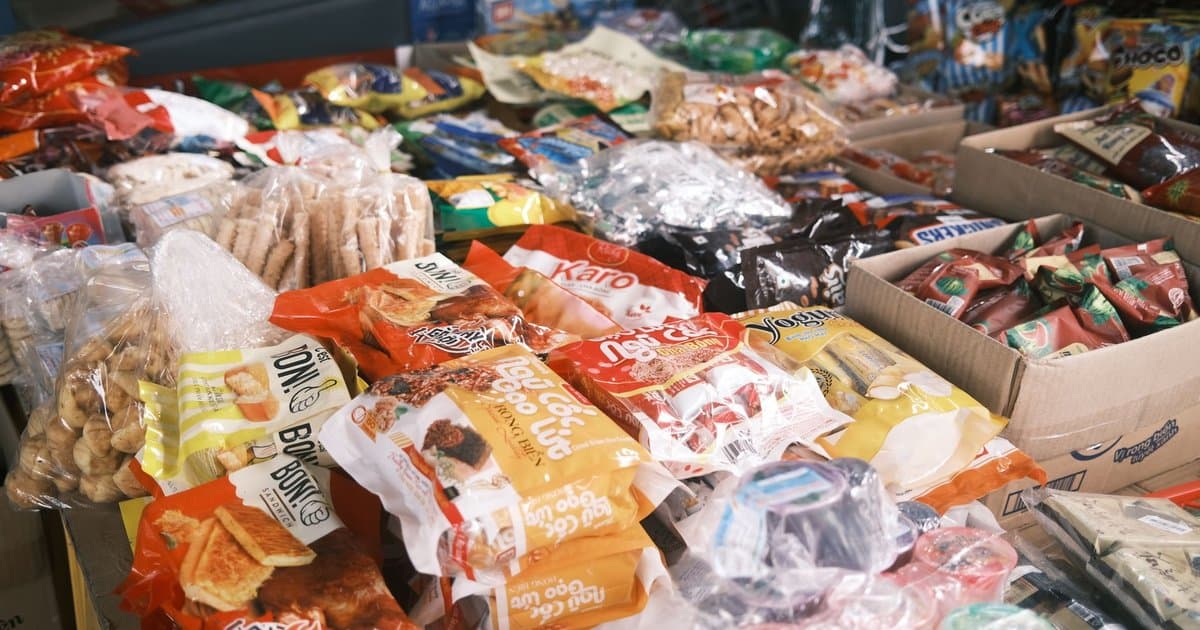
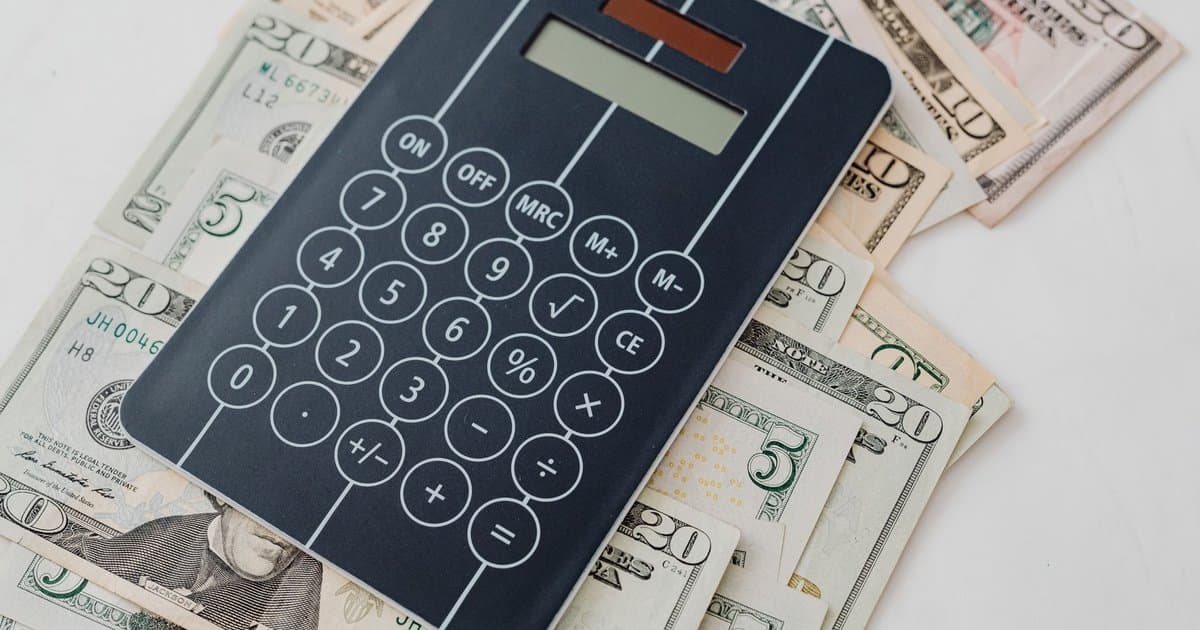
Watch how this plays out with money. Stores and websites are built to catch you when your guard is down, which is why the checkout line is packed with tempting extras. After a draining day, that impulse buy feels harder to resist because the part of you that says no is worn out. Late night shopping carts fill up for the same reason. The dollars seem small in the moment, yet they add up across a month and a year. Your budget does not just suffer from big mistakes, it bleeds from tired little yeses.
The same pattern hits your health. Most people do not blow their eating plan at breakfast, they blow it at night. By then the willpower that felt strong at nine in the morning is nearly gone. The easy choice, the quick and heavy meal, wins because deciding on something better takes energy you no longer have. Skipped workouts follow the same script, since a tired mind talks you out of effort. The healthy path is not lost to weak character, it is lost to a drained tank at the wrong hour.
The cost you feel most is in how you treat people. After a full day of decisions, patience is thin and the fuse is short. The snap at your partner, the sigh at your kid, the flat answer to a friend, these often come from a mind running on empty. It is not that you love them less at night. It is that the calm, generous version of you spent its energy on a hundred small calls earlier in the day. The people closest to you end up meeting the tired version, and that is a real price.
There is a reason this hits everyone, not just you. The brain has limited fuel for effortful thinking, and every real choice taps the same reserve. It does not matter much whether the choice was big or small, since each still asks for focus. Modern life simply hands us far more decisions than our grandparents ever faced in a day. Endless options, endless messages, and endless little forks in the road keep the meter running. The system is not broken, it is just overloaded by a world with too many choices.
The fix is not more willpower, it is fewer decisions. Protect your judgment by making your important choices early, when your tank is full. Turn small repeat decisions into routines so they stop draining you, like planning meals ahead or wearing a simple daily uniform. Cut the number of open options in front of you, since a shorter list is easier on the mind. Save the big money and life calls for the morning, and be gentle with yourself at night. You are not weak in the evening, you are simply running low.
Once you see decision fatigue, you cannot unsee it, and that is a gift. The bad late night choice stops feeling like proof that something is wrong with you. It starts to look like what it is, a tired brain reaching for the easy road. That shift matters because it points you toward real fixes instead of guilt. Guard your best hours, trim your choices, and forgive your evenings. Do that, and you protect your money, your health, and the patience your people deserve.