It feels responsible to check your investments often. You downloaded the app, you turned on the alerts, and now you glance at the balance several times a day to see how you are doing. The instinct makes sense, because in most of life paying close attention helps you do better. Investing is one of the few places where the opposite is usually true. The more often you look, the more likely you are to make a move that costs you, and the calmer investor who checks rarely tends to come out ahead of the anxious one who checks constantly.
The reason sits in how the human mind handles losses. People feel the sting of a loss far more sharply than the pleasure of an equal gain, a pattern researchers call loss aversion. The market goes up over long stretches but bounces around violently day to day, so the more often you look, the more red days you are forced to live through. Each of those red days lands as a small jolt of stress, even when nothing has actually changed about your plan. Someone who checks once a year sees mostly progress. Someone who checks five times a day sees a constant stream of small wounds that were never real until they reacted to them.
That stress is not harmless, because it pushes you toward action at the worst possible moments. When the screen is bleeding and the headlines are loud, the urge to do something becomes almost physical, and the something is usually selling. Selling when prices are down locks in a loss that would have healed on its own if you had simply waited. Study after study finds that the average investor earns less than the very funds they own, and the gap comes almost entirely from buying after things have gone up and selling after they have gone down. The funds did fine. The behavior is what cost people money.
There is also a quieter cost to constant monitoring, which is the illusion that you should always be doing something. When you watch a balance all day, every wiggle starts to feel like a signal that demands a response. You begin tinkering, chasing whatever went up last week and dumping whatever lagged, slowly turning a simple long term plan into a pile of reactive guesses. Markets do not reward activity. They reward patience and the discipline to let a sound plan run without interruption. The investor who set a strategy and walked away often beats the one who hovered over it and adjusted it to death.
The financial media makes this harder, because its job is to fill every hour with something urgent. There is always a forecast, a scary chart, or an expert predicting the next crash, and none of it is built to help a long term investor stay calm. Headlines are written to be clicked, and fear and excitement get clicked the most, so the steady truth that markets rise over decades makes for boring television. If you treat that noise as a reason to act, you will trade your patient plan for a series of panicked reactions. Compounding, the quiet force that actually builds wealth, rewards the opposite behavior. It needs time and it needs you to leave the money alone, letting gains earn gains on top of themselves year after year. Every time you sell in fear and sit in cash, you interrupt that process and reset the clock. It also helps to keep your reasons written down somewhere you can find them. When the market drops and the urge to sell rises, reading the simple plan you made on a calm day reminds you that nothing has actually broken. The fear passes, the plan remains, and the balance recovers for those patient enough to let it.
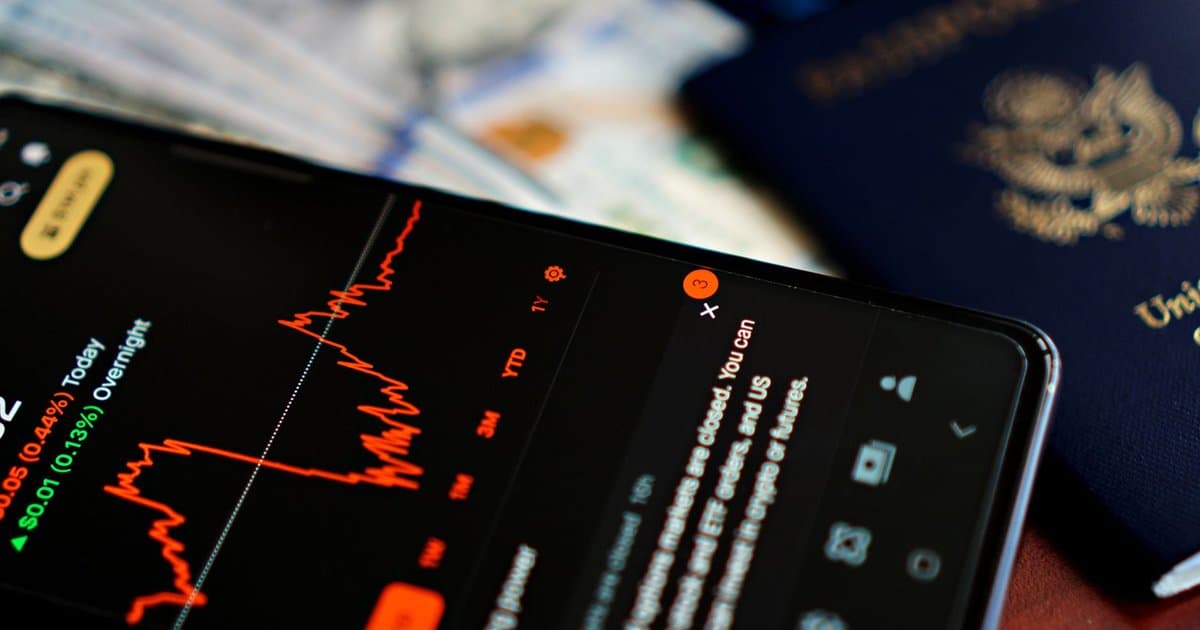
The contrarian move is to deliberately look less. Set your plan once, automate your contributions so money goes in whether you are paying attention or not, and then pick a rhythm for checking that matches your real time horizon. For money you will not touch for decades, glancing once a quarter is plenty, and once a year is defensible. Delete the alerts that ping you over every move, because they exist to capture your attention, not to make you wealthier. None of this means ignoring your finances. It means protecting your long term money from your short term emotions, and the simplest way to do that is to stop staring at it. Schedule one calm review on the same date each quarter, look at whether your plan still fits your life, make any small adjustment you decided on in advance, and then close the app. That single scheduled check does everything the constant glancing pretended to do, without the cost. Wealth is built in the years you leave the money alone, not the minutes you spend worrying over it.