Markets and Investing
Equities, fixed income, and the patterns that actually move money.
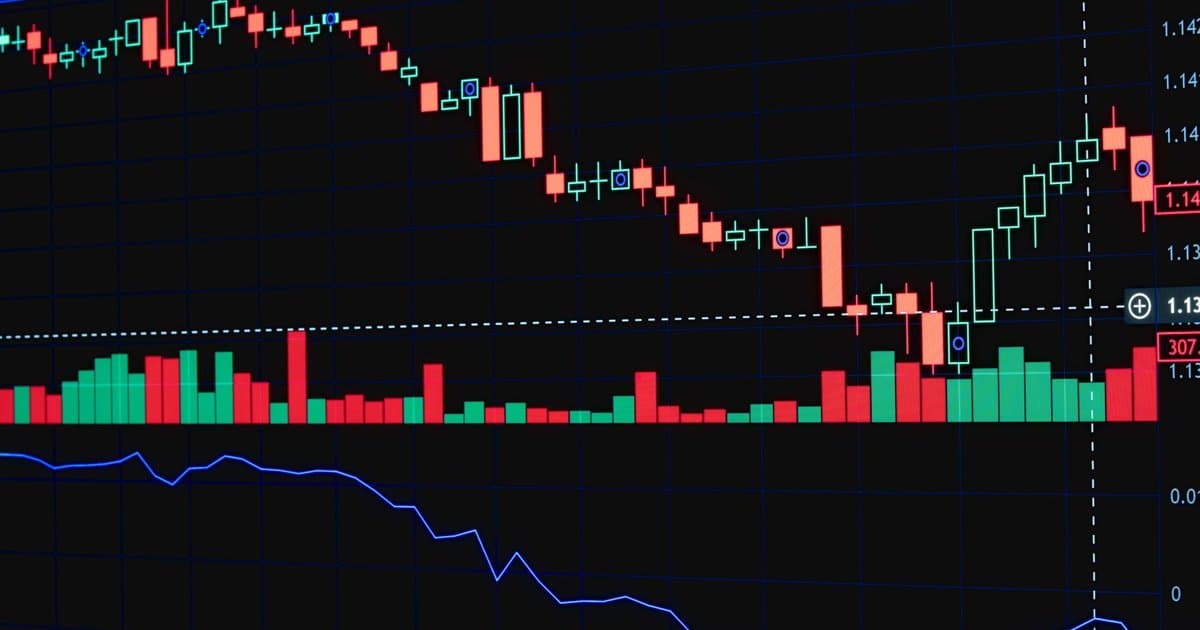
T Plus 1: Why Your Trade Now Settles a Day Sooner
In May 2024 the U.S. cut stock settlement from two business days to one. The change is small on paper and large in your account.

Rebalancing Is Supposed to Feel Wrong
Selling your best performer to buy your worst one feels like a mistake. That discomfort is the whole point, and skipping it quietly changes...

A Down Year Can Still Hand You a Fund Tax Bill
A mutual fund can pass you a taxable gain even when its price fell and you never sold a share. Here is why it happens and how to sidestep...

What Does It Really Mean When Bond Yields Rise?
Bond yields drive headlines and move stocks, yet the basic idea behind them is simpler than it sounds and worth knowing before you invest.
The Three Percentages That Can Halt the Stock Market
The market has a built-in emergency brake set at 7, 13, and 20 percent. Here is how each one works and why it exists.

What Stock Buybacks Do to Your Money
A stock buyback can quietly grow your stake or flatter a stock that is not really growing. Here is how they work and what to watch for.

What Your Broker Won't Tell You About Lending Your Shares
Your brokerage can quietly lend the shares you own to other traders and pocket the interest. Here is how the practice works and how to...

Why Waiting for the Right Time to Invest Backfires
Sitting in cash until the market feels safe sounds careful. History says that wait usually costs more than the drop you are trying to dodge.

The Retirement Risk That Has Nothing to Do With Savings
Two retirees can earn the same average return and end up in very different places. The order those returns arrive in can make or break a...

The 200 Day Line That Traders Watch Most
The 200 day moving average is one of the most watched lines in markets. Here is what it measures and why so many people pay attention.

What Fund Companies Won't Tell You About 12b-1 Fees
Many mutual funds carry a small yearly charge for marketing and sales that quietly drags on your returns. Here is what the 12b-1 fee is and...

Last Year's Best Fund Is a Bad Bet This Year
Buying whatever topped the charts last year feels smart, but the data shows past winners rarely repeat. Here is why chasing performance...

The Hidden Engine Behind Long Term Stock Returns
The price on the ticker is only half the story. Reinvested dividends drive a large share of what patient investors actually earn.

Why Selling Your Winners Can Build More Wealth
Trimming your best performers feels wrong, but rebalancing is how steady investors control risk and stay on plan. Here is the logic behind...

The Shocking Truth: The Stock Market Is Not the Economy
A rising market and a healthy economy are not the same thing, and the gap between them explains a lot.

How a 1% Fund Fee Can Erase a Third of Your Savings
A one percent yearly fund fee feels harmless, but over a career it can quietly erase a quarter to a third of your savings. Here is the math...

Miss the 10 Best Days and Your Returns Nearly Vanish
Staying invested sounds passive and boring. The data on the market's 10 best days shows why it beats trying to jump in and out.

Bear Markets Last About 10 Months on Average
A falling market feels like it will never end. History says the average bear market is shorter and shallower than the bull that tends to...

Why 9 Out of 10 Stock Funds Trail a Simple Index Fund
Over long stretches, almost all actively managed stock funds fail to beat a plain index. The reasons are simple math, and they matter for...

The 4 Percent Rule Behind Every Retirement Plan
One small number quietly decides whether your savings last thirty years. Here is where the 4 percent rule came from and where it breaks.

Where Your Money Really Goes When You Buy a Stock
When you buy a stock, your money almost never reaches the company. Here is where it actually goes and why that changes how you should...

What You Risk by Holding Too Much Company Stock
Owning a big pile of your employer's stock ties your paycheck and your savings to a single company. When it goes wrong, it tends to go...

Dividends Have Driven About 40% of Market Returns
The price chart tells only half the story. Over the long run, reinvested dividends have supplied a huge share of stock market returns.

A 50 Percent Loss Takes a 100 Percent Gain to Recover
The math of losing money is not symmetric. A drop and an equal sized gain do not cancel out, and the gap grows fast.