Most parents treat boredom like a problem that has to be solved. The moment a child says those two dreaded words, I am bored, the reflex is to fix it fast. We hand over a tablet, suggest an activity, or feel a flash of guilt that we have not planned enough. The whole culture around raising kids now leans toward filling every hour with something useful or fun. But a growing body of research points in the other direction entirely. Boredom, it turns out, is not the enemy of a good childhood, and it may be one of its quiet engines.
It helps to be clear about what boredom really is in the first place. It is the uncomfortable gap between wanting to be engaged and not having anything grabbing your attention. That gap feels bad, and children are very quick to complain about it out loud. But the discomfort is not harmful, and it is not a sign that anything is actually wrong. It is more like hunger, a plain signal that pushes a person to go and find something. The real question is who does the finding, the child or the adult standing nearby with a screen.
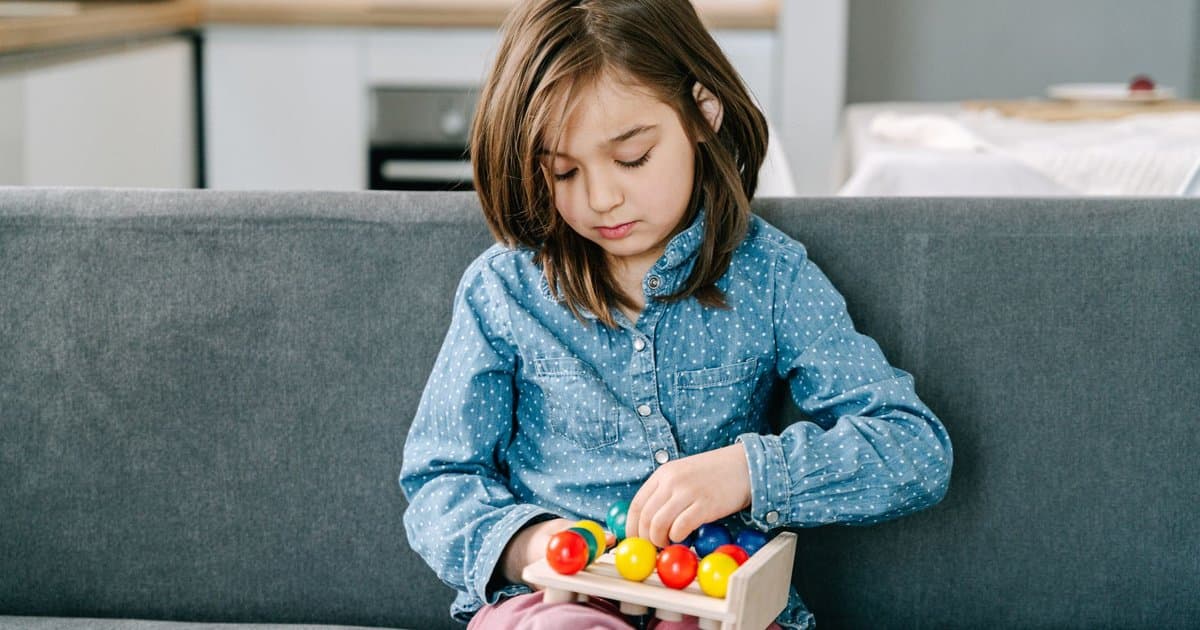
This is where the research gets genuinely interesting. Studies on boredom and creativity have found that a stretch of dull, empty time before a creative task can actually improve what people come up with. When the mind has nothing to latch onto, it starts to wander, and wandering is where original ideas often begin. For children, that empty stretch is when they invent games, build worlds, and turn a cardboard box into a spaceship. None of that happens if an adult jumps in to entertain them first. The blank space is not wasted time, it is the runway that everything else takes off from.
Boredom also teaches a skill that is hard to build in any other way. When a child has to decide what to do with an empty afternoon, they are practicing self-direction. They weigh their options, make a choice, and follow it through, which are the same mental muscles researchers call executive function. Every single time a parent fills the gap, the child quietly loses a rep at that exercise. Over years, kids who get regular unstructured time tend to grow more comfortable starting things on their own. They slowly learn that an empty hour is theirs to shape however they want.
There is a hidden cost to the always-entertained childhood that is easy to miss. When every dull moment is met with a screen or a scheduled activity, kids come to expect constant input. Their tolerance for stillness drops, and ordinary quiet starts to feel almost unbearable to them. Some researchers link the steady decline of free, unsupervised play over recent decades to rising anxiety in young people. The connection is not simple, and screens are certainly not the only factor at work here. But a child who never learns to sit with downtime is missing a form of practice that adults need too.
This is not a case for ignoring your kids or leaving them to fend for themselves. Boredom that comes with warmth, safety, and attention is very different from neglect. The point is not to leave a child alone all day and then call it a gift. It is to resist the strong urge to manage every single minute of their time. A parent can be present, loving, and deeply involved while still letting a child sit in an unplanned afternoon. The goal is a home where downtime is normal, not a home where every hour has a plan attached.
So what does this actually look like in daily practice. When the complaint comes, try meeting it with a calm, that is fine, you will think of something, instead of a solution. Keep open-ended materials around, like blocks, paper, tape, and odds and ends, rather than toys that do just one thing. Protect blocks of time that are not booked with lessons, practices, or plans. Let there be whole afternoons with no agenda on them at all. The idea is to offer time and clear boundaries, then step back and let the child fill the space themselves.
Handing a bored child something to do feels like good parenting in the moment. Often it is the harder, slower path that ends up serving them far better. A kid who learns to move through boredom on their own is building patience, imagination, and the ability to start. Those are the very traits we hope they will carry with them into adulthood. The next time you hear I am bored, you do not have to treat it as an alarm going off. You can treat it instead as a door quietly opening, and simply let them walk through it.