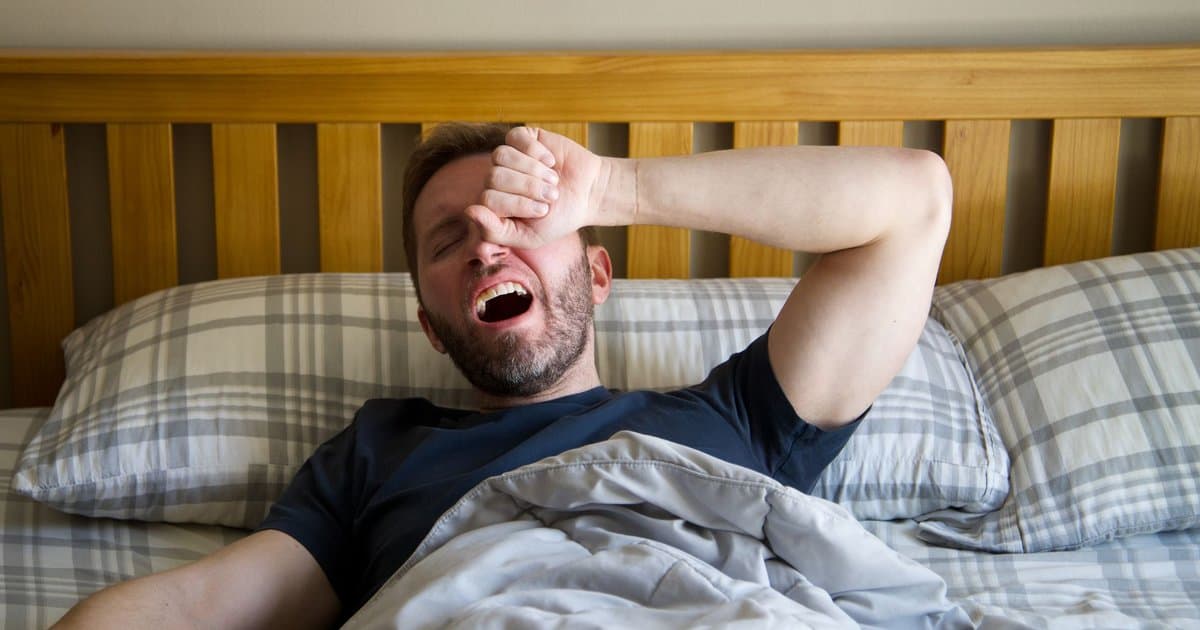
You can spend eight full hours in bed and still drag yourself through the morning feeling like you barely slept. It is one of the most frustrating experiences there is, because you did the thing you were told to do and got no reward for it. The reason is that sleep is not measured only by how long you lie down. It is measured by how deeply and how continuously you move through the stages your body needs. You can stay in bed for eight hours and only get a few hours of the deep, restoring sleep that actually rebuilds you. When that happens, the clock says you slept but your body knows you did not.
The first hidden culprit is alcohol, and it fools almost everyone. A drink or two in the evening makes you feel drowsy and can help you fall asleep faster, which is exactly why people trust it. The trouble is what happens in the second half of the night, when your body processes the alcohol and your sleep fragments badly. You spend less time in deep sleep and more time in light, broken sleep, and you may wake several times without fully remembering it. The result is a full night in bed that delivers a fraction of the recovery. The nightcap that helped you fall asleep is the reason you woke up wrecked.
The second is your evening meal, especially when it is large and late. When you eat close to bedtime, your digestive system is working hard during the exact hours it should be winding down. Your body temperature has to stay slightly elevated to handle the food, and a cooler core is part of how you reach deep sleep. Heavy, rich, or spicy meals make this worse and can trigger reflux that wakes you without a clear cause. You go to bed feeling full and satisfied and wake up feeling like you ran a marathon. Giving yourself a few hours between your last big meal and bed is one of the simplest fixes there is.
The third is screens and the kind of stimulation they deliver right up until lights out. The issue is not only the blue light, though that does suppress the signal that tells your brain it is night. The bigger problem is that scrolling, messaging, and watching keep your mind alert and engaged when it should be powering down. You climb into bed with a nervous system still running at daytime speed, and it takes a long time to settle. Even once you fall asleep, that residual stimulation can keep your sleep shallow. A buffer of calm time before bed lets your brain actually shift gears.
The fourth is caffeine timing, which trips up people who think they are immune to it. Caffeine has a long life in the body, and half of the cup you drank in the early afternoon can still be circulating at bedtime. It does not always stop you from falling asleep, which is why people assume it is harmless for them. What it does instead is quietly reduce the depth of your sleep, trimming the most restorative stages without ever fully waking you. You feel like you slept, but the chemistry says you stayed in the shallow end. Cutting off caffeine by the early afternoon often does more for morning energy than an extra hour in bed.
The fifth is an inconsistent schedule, going to bed and waking at wildly different times across the week. Your body runs on an internal clock that thrives on regularity, and it cannot prepare for sleep that arrives at a random hour. When you sleep in on weekends and stay up late some nights, you keep that clock confused and your sleep quality suffers. The hours add up on paper, but the timing is so scattered that the body never finds a rhythm. A steady bedtime and wake time, even on days off, is one of the most underrated tools for real rest. Consistency turns the same number of hours into far better sleep.
The point that ties all of this together is that quantity and quality are different things. You can do everything right on the clock and still wrob yourself of deep, continuous sleep through habits that feel harmless. The fix is rarely about sleeping more, it is about protecting the hours you already have. Look at the drink, the late dinner, the screen, the afternoon coffee, and the scattered schedule, because the answer is usually hiding in one of them. Clean up the inputs and the same eight hours can finally do their job. You do not need more time asleep, you need the sleep you get to actually count.