The common advice is to build a strict monthly budget, assign every dollar a job, and then hold the line. It sounds disciplined, and for a few weeks it usually works. Then the car needs tires, the kid needs cleats, a friend gets married, and the whole plan falls apart. People blame themselves for lacking discipline, but the real flaw is in the design. A strict monthly budget assumes that each month looks like the last, when the truth is that large irregular expenses are a normal part of life. The budget did not fail because you were weak. It failed because it was built to ignore costs that were always coming.
Think about the expenses that actually wreck a budget. They are rarely the daily ones like groceries or gas, which are easy to predict and absorb. The damage comes from the lumpy costs that hit a few times a year, such as car repairs, insurance premiums, holidays, medical bills, and home maintenance. None of these are surprises in the true sense, because you know they will happen eventually. They only feel like emergencies because a monthly budget has no place for them. When a six hundred dollar repair lands in a month with no room for it, the budget breaks, the credit card comes out, and the cycle of catching up begins again.
A sinking fund solves this by turning irregular costs into regular ones. Instead of waiting for the big bill and scrambling, you estimate the yearly cost and set aside a small amount every month in advance. If you expect to spend twelve hundred dollars a year on car maintenance, you save one hundred dollars a month into a dedicated bucket. When the repair comes, the money is already there, and the rest of your budget stays untouched. You are not finding the money in a panic. You are spending money you set aside on purpose for exactly this. The expense still happens, but it no longer feels like a crisis.
The reason this works better than willpower is that it changes the structure rather than relying on restraint. A strict budget asks you to resist spending in the moment, which is exhausting and tends to fail over time. A sinking fund asks you to make one decision in advance and then lets automation carry it out. You can open separate savings accounts for each category, or use one account with the amounts tracked on paper or in an app. The key is that the money is allocated before you ever feel tempted to use it elsewhere. By the time a temptation arrives, the choice has already been made, and you do not have to win the same battle every month.
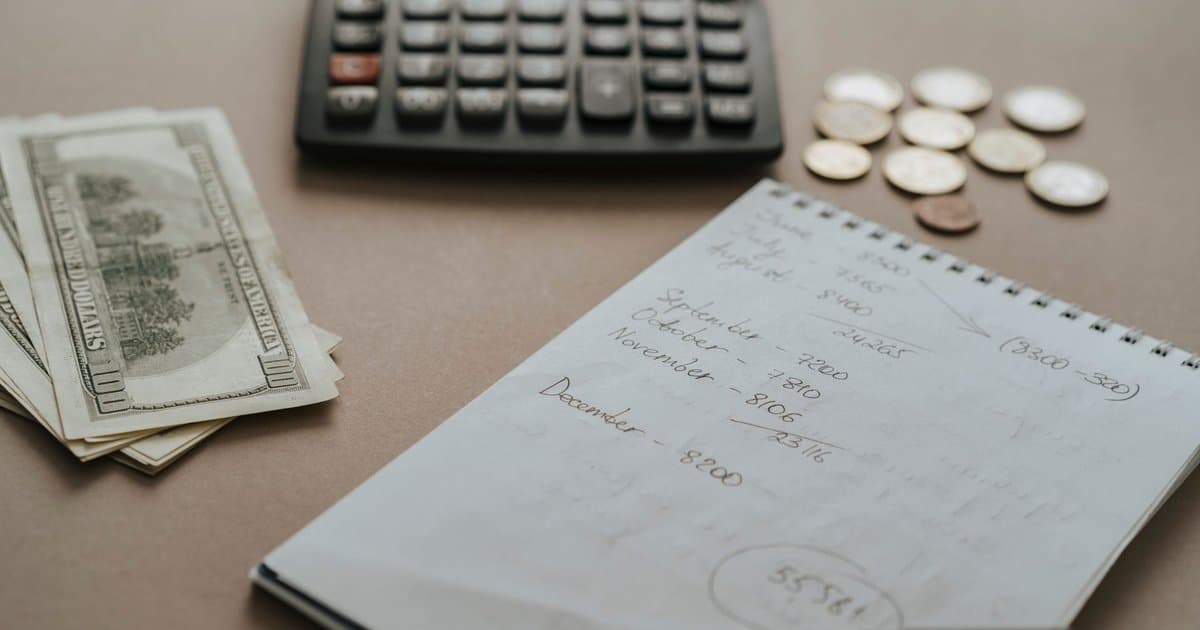
Starting is simpler than it sounds, and you do not need many funds to feel the difference. List the irregular expenses you know are coming in the next year, estimate each one, and divide by twelve to get a monthly amount. Begin with the two or three that have hurt you most, often car, holidays, and some form of maintenance or medical. Fund those first, even modestly, and add more categories as your cash flow allows. The first time a known expense arrives and the money is simply there, the approach proves itself. That moment of calm is the entire point, and it is something a strict budget can almost never deliver.
There is a quieter benefit that people rarely expect from this approach. When known expenses stop ambushing you, the stress that surrounds money starts to fade. Much of the anxiety people feel about their finances comes from the sense that the next bill could arrive at any moment and undo their progress. Sinking funds remove that dread because the next bill is already accounted for before it shows up. You stop bracing for the unknown and start spending from a plan you built in calmer times. That sense of control often does more for your peace of mind than the actual dollars involved. Money stops feeling like a threat and starts feeling like a tool you manage on purpose.
This is not an argument against budgeting itself, which still matters for tracking where your money goes. It is an argument against the version that pretends every month is identical and then punishes you when reality interrupts. Real life is uneven, and a money system that refuses to plan for that unevenness is set up to fail. Sinking funds bend with your life instead of breaking against it. They take the expenses you have been treating as emergencies and turn them into ordinary line items you already paid for. That shift does more for financial stability than any amount of grit, because it removes the need for grit in the first place. The best money system is the one you can actually keep, and people keep the systems that make their lives easier rather than harder. A method that plans for reality will always outlast one that fights it every month.