Every spring, millions of people get a check from the government and treat it like a windfall. The average federal refund runs close to three thousand dollars. That is real money, and it shows up right when a lot of folks are ready to spend it. Cars get down payments. Credit cards get knocked down. It feels like a reward for surviving another tax year. The trouble is that it was never a gift, and treating it like one quietly costs you.
A refund is not free money. It is a return of cash you already earned and already handed over. All year, your employer pulls a slice out of every check and sends it to the government under your name. If that total ends up higher than what you truly owe, the extra comes back to you after you file. So a fat refund is not proof that you won. It is proof that you paid too much up front, month after month.
Here is the part that stings. When you overpay, the government sits on your cash and pays you nothing for the wait. If you kept that same money in a high yield savings account, it would earn interest the whole time. A refund near three thousand dollars means you handed over about two hundred and fifty dollars a month for free. No bank would ever offer you that deal in reverse. Yet plenty of people set up their money to do exactly that, year after year, without thinking twice.
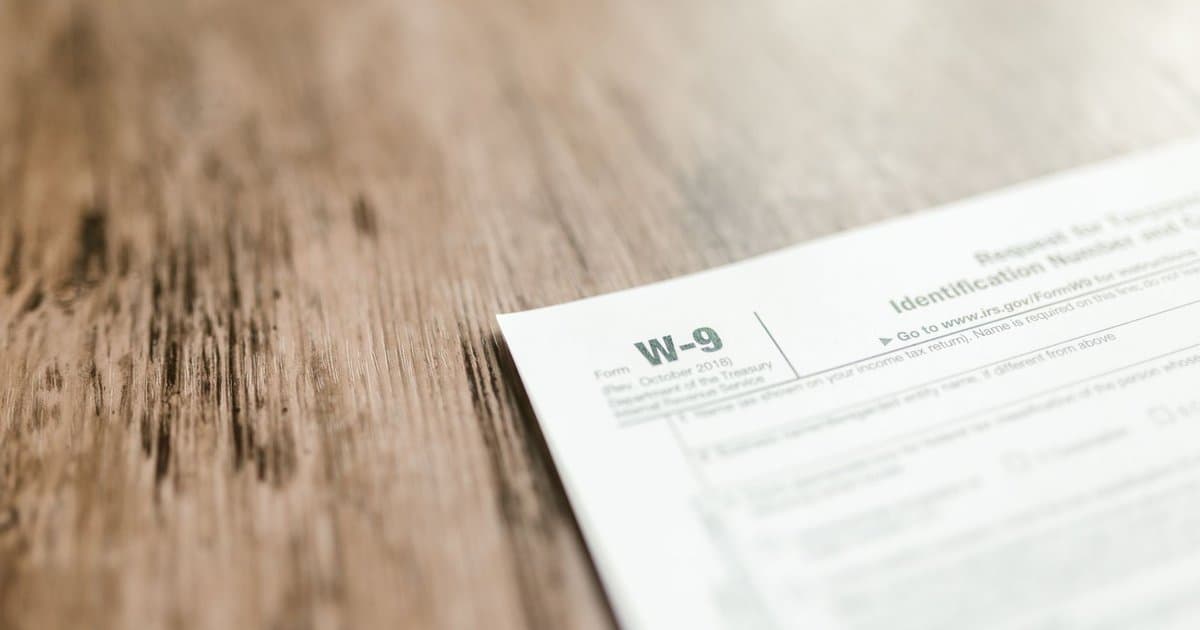
The dial that controls all of this is your W-4. That is the short form you fill out when you start a job, and most people never touch it again. It tells your employer how much tax to hold back from each check. Add extra withholding, and more comes out, which grows your refund. Claim more allowances, and less comes out, which shrinks the refund and fattens each paycheck. The form feels boring, but it quietly decides how much of your own money you get to keep during the year.
So why do so many people aim high on purpose? For some, a refund is forced savings. They do not trust themselves to set money aside, so they let the government hold it and mail it back in one lump. For others, it is plain fear of owing. A surprise tax bill in April feels worse than a smaller paycheck, so they pad the number to stay safe. Those reasons are honest, and for a few people the discipline is worth it. The catch is that most folks never do the math on what that safety really costs.
Think about what that monthly money could do if it stayed with you. Two hundred and fifty dollars a month could clear a credit card balance that charges you twenty percent. It could build a real emergency fund instead of sitting in a government account. It could go into a retirement plan where it grows for decades. Even parked in a plain savings account, it would earn more than the zero the government hands you. The refund does not grow while you wait, but your debt and your bills surely do.
Fixing this is not hard, and it does not require a tax pro. The IRS runs a free tax withholding estimator on its own website. You plug in your pay, your filing status, and a few numbers off your last return. It tells you how to adjust your W-4 so your withholding lands close to what you actually owe. Then you hand the updated form to your employer, and your next check gets a little bigger. Ten minutes of work can put a couple hundred dollars back in your pocket every month.
None of this means you should aim to owe a huge bill in April, since that can trigger penalties. The goal is balance, where your withholding matches your real tax as closely as you can get it. A tiny refund or a tiny bill means you kept your money working for you all year. A giant refund means the opposite, no matter how good the check feels. The IRS is fine letting you believe the refund is a prize, because the arrangement works in its favor. Once you see it for what it is, you can quietly take that advantage back.