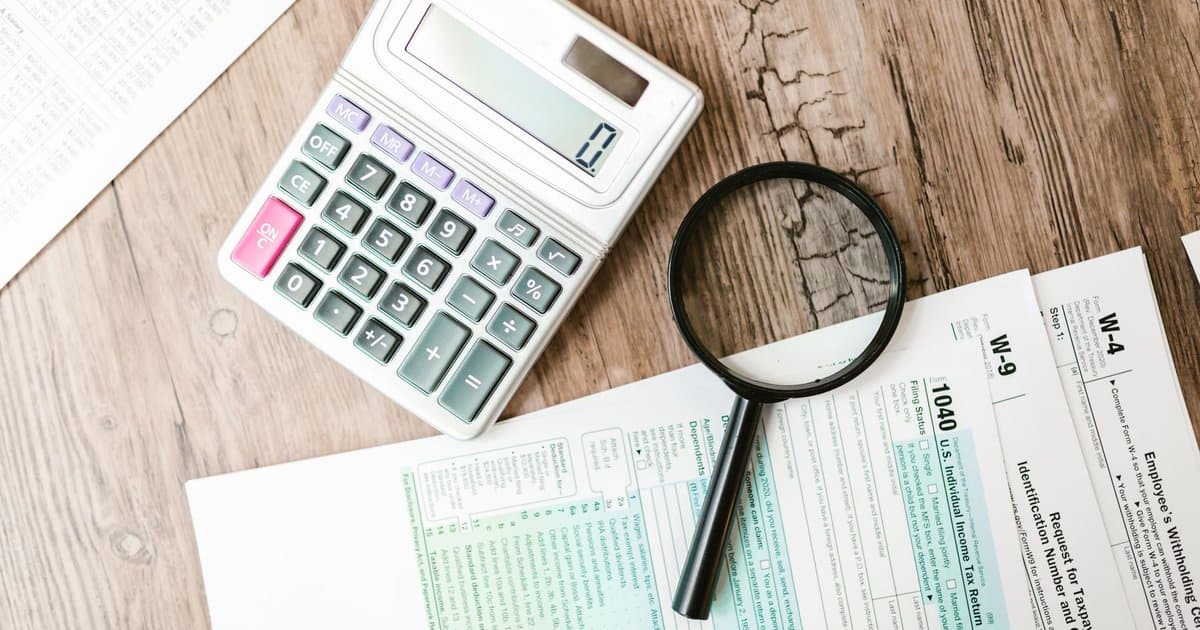
Most tax returns get filed and forgotten. That is fine for the vast majority of people. But the IRS does not have forever to come back and ask about what you sent in. There is a legal window, and once it closes, that year is settled for good. The rules that set the window are public and plain. They are also full of traps that can hold the window open far longer than you think. Knowing where you stand tells you when to shred old paper and when to keep it.
The general rule is three years. The IRS has three years from the date you filed to assess more tax on that return. If you filed early, the clock starts on the due date, not the day you sent it. If you filed late, the clock starts the day the return arrives. So a return filed in April 2023 for tax year 2022 is generally closed in April 2026. Most audits begin well before that mark, often inside the first two years. After three years, the agency cannot add tax for that year in most cases.
The first trap is the six year rule. If you leave off more than 25 percent of your gross income, the window doubles to six years. That is not about small math errors. It is about big gaps, like a missing form for a side business or a rental left off the return. A second six year rule covers foreign financial assets over $5,000 that go unreported. Side income is where this bites regular people the most. Apps and platforms report to the IRS, so a gap on your side is easy to spot.
The second trap surprises people. If you never file a return, the clock never starts. There is no time limit at all on a year you skipped. The same is true if the agency proves fraud, meaning a willful attempt to evade tax. Both of those leave the year open forever, even decades later. This is why filing a late return still helps you, even if you cannot pay the balance. Filing starts the clock. Not filing holds the door open for the rest of your life.
Collection is a separate clock, and people mix the two up. Assessment is the IRS deciding you owe more. Collection is the IRS going after money it already says you owe. Once tax is assessed, the agency generally has ten years to collect it. That window can pause for a bankruptcy case, an offer in compromise under review, or long stretches living outside the country. So a bill from 2018 can still be chased in 2027. Three years and ten years are two rules doing two different jobs.
Your side of the clock matters too. To claim a refund, you generally have three years from the date you filed or two years from the date you paid, whichever is later. Miss that window and the money stays with the Treasury, even when the refund was clearly yours. People lose real money every year by never filing for a year they had tax withheld. Amended returns follow the same three year limit. If you find an error on a 2022 return, check the date before you assume you can fix it. Late is late here.
All of this drives one boring habit, which is to keep records. Three years is the floor for most backup paper, so hold receipts, mileage logs, and statements at least that long. Six years is safer if you run a business or earn income that does not show up on a W-2. Records tied to property, like the price you paid for a house or the cost of a roof, should stay until three years after you sell. Keep copies of the returns themselves for good, since they are your proof you filed. A cheap scanner and one cloud folder solve most of this.
None of this is a reason to live in fear of a letter. Audit rates are low, and most contact from the agency is a short notice about one line. The point is to know the shape of the risk so you can plan around it. File every year, even a year with little income. Report side income before a form does it for you. Hold your records for the right stretch, not the shortest one. Then let the clock do its work, because once it runs out, that year is closed.