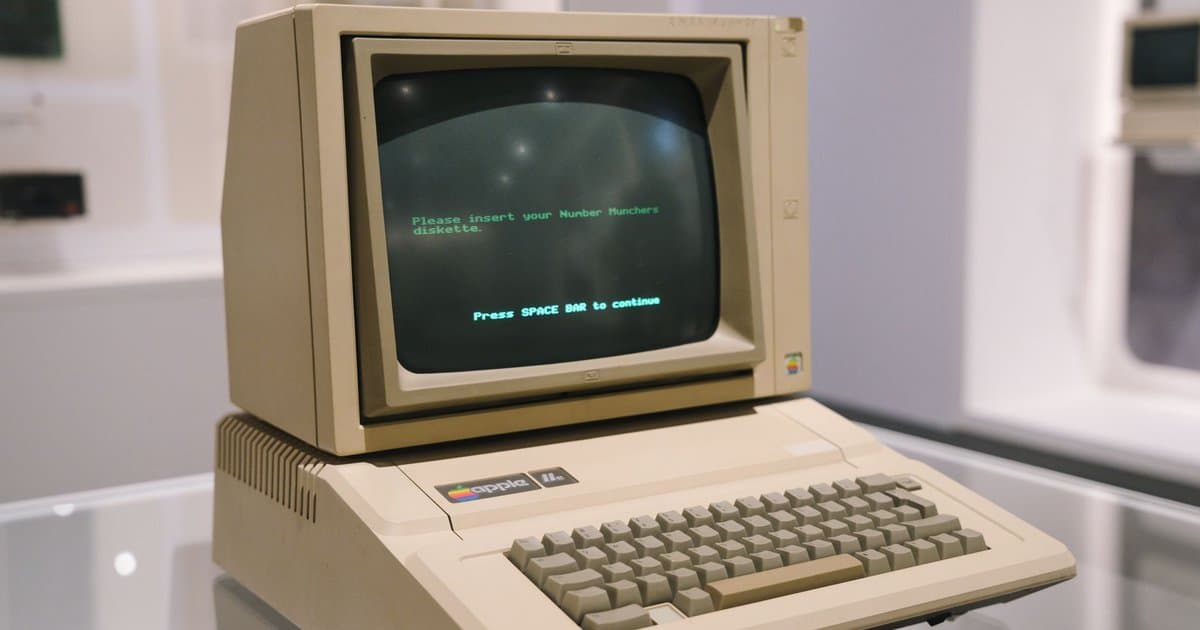
You drag a file to the trash, empty it, and feel like the thing is gone for good. On most computers, it is not. Deleting a file rarely erases the actual data sitting on your drive. Instead it flips a small switch that tells the system the space is now free to reuse. The real content stays put, sometimes for a long time, until something else happens to be written on top of it. That gap between what you think happened and what really happened is why deleted files can come back, and why a wiped looking laptop can still be a privacy problem.
To see why, picture your drive as a library with a card catalog. The catalog lists where every book sits on the shelves. When you delete a file, the computer does not walk over and burn the book, it simply crosses the entry out of the catalog. The shelf space is now marked as available, so a future book can be placed there. Until that happens, the original pages are still on the shelf, just harder to find. Recovery tools work by reading the shelves directly and rebuilding the list the catalog forgot.
There are really two stages most people blur together. The first is sending a file to the recycle bin or trash, which changes almost nothing, since the file is fully intact and can be restored with a click. The second stage is emptying that bin, which is when the space gets marked free. Even then, as we saw, the data itself lingers until it is overwritten. So a file you emptied this morning may sit fully recoverable for days or weeks. On a lightly used drive with lots of room, it can survive far longer than you would guess.
The type of drive changes the story in a big way. Older spinning hard drives hold deleted data until new files land on the same spot, which can take ages. Modern solid state drives, the fast chips in most new laptops and phones, behave differently thanks to a feature called TRIM. To stay quick, these drives clear out blocks marked as deleted in the background, often within minutes. That housekeeping makes deleted data on a solid state drive much harder, and often impossible, to recover. So the same delete can be reversible on one machine and truly final on another.
This all becomes real the day you sell, donate, or recycle a device. Simply deleting your files and handing it over can leave personal data behind for the next owner to find. Photos, tax documents, saved passwords, and messages have all been pulled from devices people thought were clean. A quick format does not fix it either, since a standard format also just clears the catalog. This is how strangers end up recovering private files from a secondhand phone or drive. If a device held anything you would not post publicly, a plain delete is not enough before it leaves your hands.
The good news is that truly erasing data is not complicated once you know the trick. One approach is a wipe that overwrites the free space with random noise, burying the old data under new patterns. A simpler and stronger approach relies on encryption, because if a drive is encrypted, everything on it is unreadable without the key. Erasing that one key then makes the whole drive useless to anyone else. This is exactly what a modern phone does during a factory reset, which is why a reset phone is reasonably safe to sell. On computers, turning on full disk encryption first gives you the same power later.
Your local drive is only half the picture, since your data often lives in more than one place. Deleting a photo on your phone may leave copies in a cloud account, a backup, or a shared album. Many services keep deleted items in a recovery folder for a set number of days before they are purged. Backups are designed to hold on to old versions, which is wonderful until you actually want something gone. So erasing data completely can mean cleaning it from the device, the cloud, and any backups that copied it. It helps to know where your files sync before you assume they are deleted everywhere.
The takeaway is worth remembering in both directions. If you delete something by accident, do not panic, because there is a real chance it can be recovered if you act before it is overwritten. And if you want something truly gone, understand that a plain delete is more of a suggestion than an order. Use encryption, use a proper wipe, and clear your cloud and backups when it counts. Treat old devices as full of your data until you have wiped them the right way. Delete is a quiet little word that promises more than it delivers, and knowing what it actually does puts you back in control.