Most people picture deleting a file as an act of destruction. You drag it to the trash, empty the bin, and imagine the data being wiped clean off the drive. It feels final, like shredding a sheet of paper into confetti. The truth is stranger, and much more useful to understand. In most cases the file is not erased at all when you delete it. The computer just changes a few notes about where things live, and the real content stays put for a while. That gap between deleted and gone is the whole story.
Think of your drive as a giant library with a card catalog at the front. The catalog tells the computer which shelves hold which files. When you save a file, the system writes the data to some shelves and adds a card that points to them. When you delete that file, the computer mostly just tears up the card. The shelves still hold the words, but nothing in the catalog points to them anymore. As far as the system is concerned, that space is now free to reuse whenever it needs room. The book is still there, only the index entry is gone.
Because the data itself is left in place, it lingers until something new is written over it. That could happen in seconds if the drive is busy, or it could sit untouched for weeks. This is exactly why recovery tools can bring deleted files back from the dead. They scan the drive for content that has no card pointing to it and rebuild the link. If nothing has overwritten the old spot yet, the file comes back whole. This is a lifesaver when you delete something by accident, and a warning when you assumed it was gone. The same trick cuts both ways.
The trash or recycle bin adds one more safety layer before any of this. When you first delete a file, it usually just moves to that bin, which is only another folder. The card still exists, only in a different spot, so the file is easy to restore with a click. Emptying the bin is what tears up the card and marks the space as free. Even then, as we saw, the content is not truly wiped from the drive. So there are really two steps of undo built in before the data is even a candidate to be overwritten. Most people never reach the point of no return they imagine.
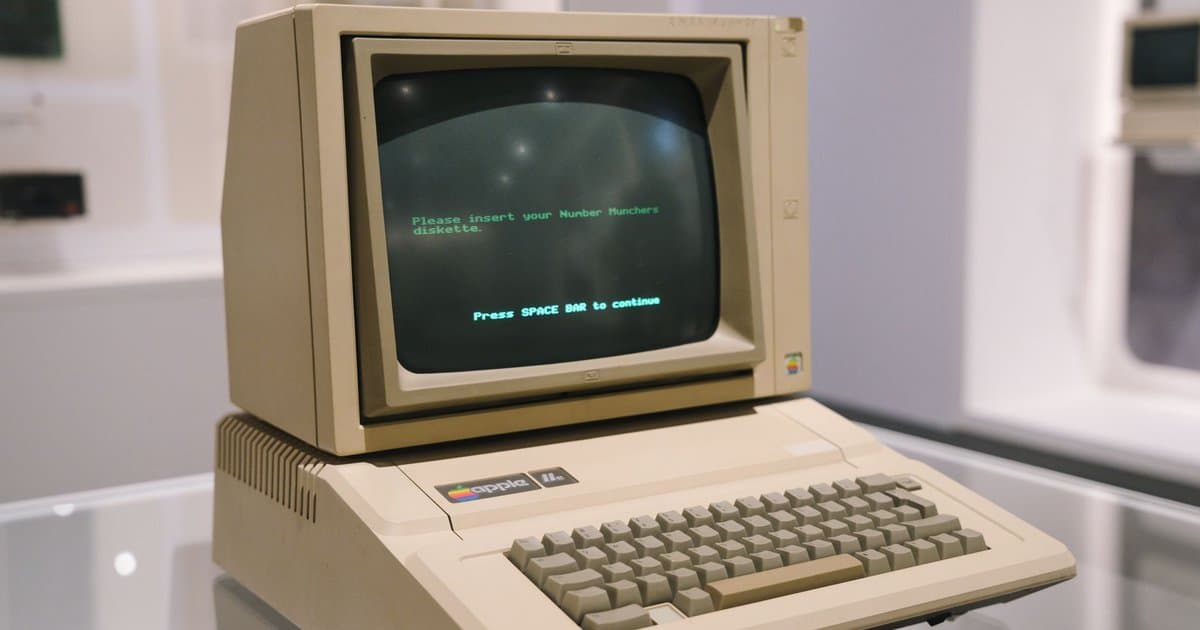
There is one big exception worth knowing, and it involves modern drives. Older hard drives spin like a record and store data on magnetic platters. Newer solid state drives, the kind in most phones and laptops now, work in a different way. They use a feature called trim that clears out deleted blocks in the background to keep the drive fast. On these drives, deleted data can be scrubbed much sooner, sometimes within minutes. So recovery is far less reliable on a solid state drive than on an old spinning one. The type of drive changes the whole timeline.
This gap between deleted and truly gone matters most when you part with a device. Selling a laptop or handing down an old phone without a proper wipe can leave your data exposed. A buyer with the right tool could pull up files, photos, or logins you thought you erased months ago. Simply deleting files and emptying the bin is not enough on an older drive. This is how people end up leaking tax records and private photos without ever knowing it happened. The fix is to go a step further than a normal delete before the device leaves your control.
To truly clear data, you have to overwrite it or reset the drive the right way. On a spinning hard drive, wipe tools write random data over the free space so old content cannot be read. On a solid state drive, the better move is a built in secure erase or a full factory reset with encryption turned on. If the drive was encrypted the whole time, erasing the key makes the data unreadable at once. For a device you are selling, a full reset plus encryption is the safest path to take. For a single sensitive file, a wipe tool made for that job does the work.
So the next time you hit delete, picture a torn card, not a shredder. The file steps into the trash, then loses its pointer, then waits to be written over. On old drives it can wait a long time, which is both a rescue and a risk. On newer drives it may vanish faster, but you should not count on that for privacy. If the data is sensitive, take the extra step to overwrite or reset before the device changes hands. Knowing what delete really does puts you back in control of your own information. A little understanding here saves a lot of regret later.