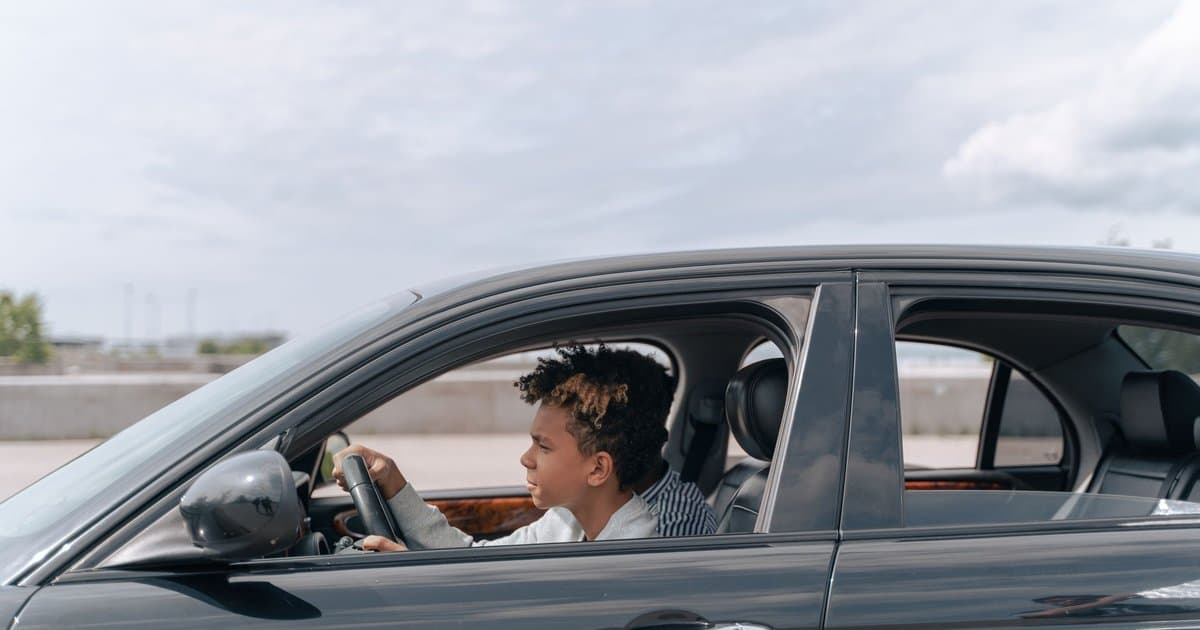
For decades, turning sixteen meant one thing above all. You got your license, and with it a first taste of freedom. The car was how a teenager escaped the house, saw friends, and started to feel like an adult. That story is fading fast. In 1983, about 46 percent of American sixteen year olds had a driver's license. By the middle of the last decade that share had fallen to around a quarter, the steepest drop of any teen age group. It has held near there ever since, which tells us this is a lasting change and not a blip.
The reasons are not hard to find once you look. Learning to drive costs money, and so does everything that follows. There is the car itself, the gas, the upkeep, and insurance that hits teenagers hardest of all. For a lot of families, adding a young driver to the plan is a serious expense. Many teens now weigh that cost and decide it is not worth it yet. A generation that came of age after the 2008 downturn tends to think carefully about big spending. The license that once felt automatic now looks like a bill.
Technology changed the math as well. When a car was the only way to reach your friends, a license was priceless. Now a phone does much of that work. Teens can talk, share, and hang out online without going anywhere. Rideshare apps cover the trips they cannot make themselves, and delivery brings the rest to the door. For a teenager who already feels connected all day, the urgency to drive simply is not what it used to be. The freedom a car once promised now lives partly in a screen. The old pull to get behind the wheel has faded for many of them.
The rules around getting a license got tougher too. Most states now use graduated licensing, which phases in driving privileges over months or years. A new driver faces supervised hours, limits on night driving, and caps on how many passengers they can carry. These programs have saved lives by easing teens onto the road slowly. They also make the license harder to earn and easier to put off. When the process stretches out and the payoff feels smaller, plenty of teens simply wait. The path is safer, but it is also longer and less inviting.
Now for what is actually at stake, because this is more than a lifestyle note. A driver's license is still tied to independence in ways that are easy to overlook. It is often the difference between reaching a job and turning it down. In much of the country, buses and trains do not go where the work is, and a car is the only real option. A teen without a license may be cut off from after school jobs, internships, and the early work that builds a resume. In rural areas and spread out suburbs, the gap is wider still. What looks like a personal choice can quietly narrow a young person's options.
The delay reaches into family life as well. When a teenager cannot drive, someone else usually has to. Parents become part time chauffeurs long past the age they once expected to. That eats into work hours, family time, and the budget through more gas and miles. It can also slow the moment when a young person starts handling their own responsibilities. Driving used to be one of the first real tests of adult judgment. Push it back several years and the whole timeline of growing up shifts with it.
There are real upsides, and they deserve honest mention. Fewer teen drivers means fewer teen crashes, and car accidents remain a top cause of death for young people. Money not spent on a car can go toward school, savings, or a first apartment. A generation less tied to driving may push cities to build better transit and safer streets. The point is not that the trend is good or bad on its own. It is that a choice millions of teens are making, often one family at a time, adds up to a real shift. Trends this size reshape industries, cities, and the way independence itself gets defined.
The auto and insurance industries are already feeling it. A customer who does not drive at sixteen may not buy a first car until much later, if at all. That reshapes how vehicles get sold and who gets marketed to. For young people, the takeaway is simpler and worth thinking through. A license is not required to have a full life, but it still opens doors that stay closed without it. The smart move is to treat driving as a skill to gain when it makes sense, not a rite to skip by default. Freedom of movement is still freedom, and it is worth keeping within reach.