In a hot market, buyers get anxious, and one of the first things they offer to give up is the inspection. When several people want the same house, waiving the inspection is a way to look serious and make life easy for the seller. The logic feels reasonable in the moment, since the house looks fine, the photos were clean, and you want to win. Sellers love these offers because they remove a step that can slow things down or reopen the price. Agents will tell you it is common now, and in some markets it has become almost expected. What often goes unsaid is exactly what you are handing over when you sign that away.
A home inspection is a few hours where a trained professional walks the entire property looking for trouble. They climb into the attic, check the roof, test the outlets, run the furnace and the air conditioning, and look under sinks for leaks. They are not there to judge the paint colors, they are there to find the expensive and dangerous things a walkthrough misses. A good inspector hands you a long report with photos, notes, and a sense of what is urgent versus what is normal wear. That report is information, and information is the thing that protects you before you own the house. When you waive the inspection, you are choosing to buy without that information.
The waiver does two things at once, and people usually only think about one of them. The obvious part is that you skip the physical inspection itself. The part that hurts more is that you give up the inspection contingency, which is the clause that lets you walk away or renegotiate based on what is found. With that contingency in place, a bad report is your exit, and you keep your deposit and your options. Without it, you are committed to the purchase no matter what turns up later. You are not just skipping a checkup, you are surrendering your right to change your mind for a very good reason.
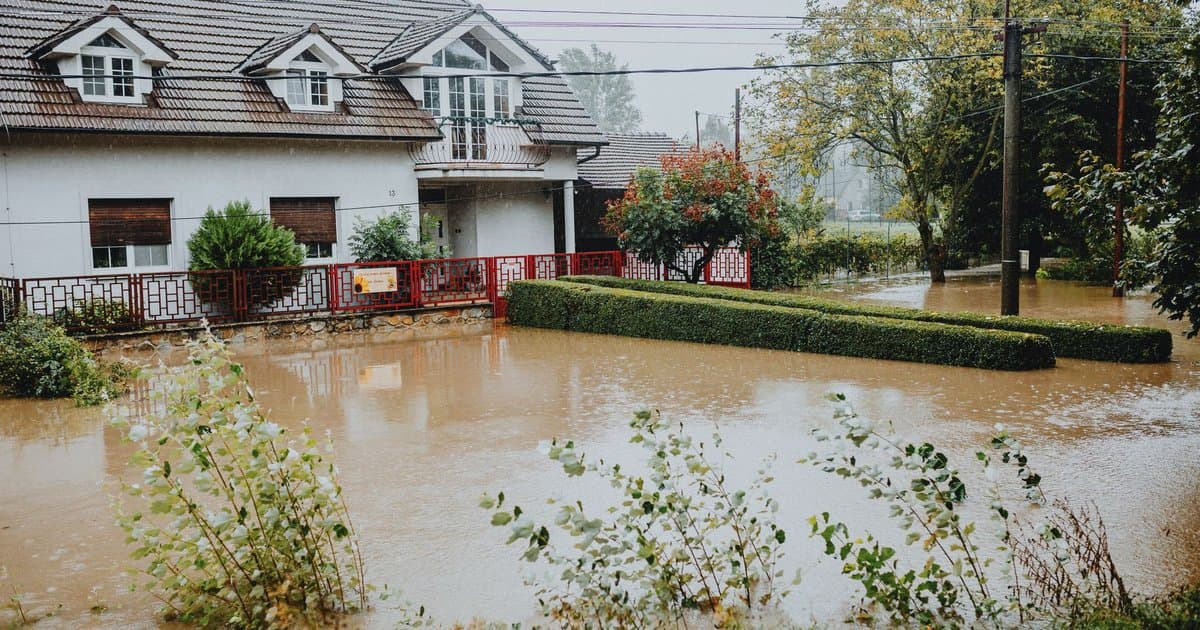
The risks are not theoretical, they are the things inspectors find every week. A roof at the end of its life can cost many thousands of dollars to replace, and you would have no warning until it leaks. A cracked heat exchanger in the furnace can leak carbon monoxide, which is both expensive and genuinely dangerous. Foundation movement, old wiring, hidden water damage, and a failing sewer line all fall into the category of problems you cannot see on a tour. Any one of these can cost more than the amount you saved by winning the bidding war. The house that looked perfect on a sunny afternoon can hide a five figure repair behind a wall.
Think about the math you are actually doing when you waive. You are betting the price of an inspection, a few hundred dollars, against the cost of every problem the inspection would have caught. On the day you win the house, that bet feels smart, because nothing has gone wrong yet. The bill does not arrive until months later, when the basement floods or the system quits in the first cold week. By then the seller is long gone, the contingency is gone, and the repair is entirely yours. A few hundred dollars of information can stand between you and a problem that reshapes your budget for years.
There is a middle path between waiving blind and losing every bid. You can keep the inspection but agree in writing to only walk away for major issues above a set dollar amount, which reassures the seller while protecting you from disaster. You can do a pre offer inspection, paying for the checkup before you bid so your offer can be clean and informed at the same time. You can shorten the inspection window to a couple of days to keep your offer fast without giving up the report. You can also ask for an information only inspection, where you learn what is wrong even if you promise not to renegotiate small things. None of these leave you completely exposed the way a full waiver does.
Winning the house is the goal, but not at the cost of your financial safety. The inspection is one of the few moments in the whole process that exists purely to protect the buyer. Giving it up can absolutely get your offer accepted, and for some buyers in some markets it may be a risk they choose with open eyes. The danger is choosing it without understanding that you are trading a small, certain cost for a large, uncertain one. Before you sign a waiver, ask yourself whether you could comfortably absorb a major repair the week after closing. If the honest answer is no, protect yourself and find another way to make your offer strong.