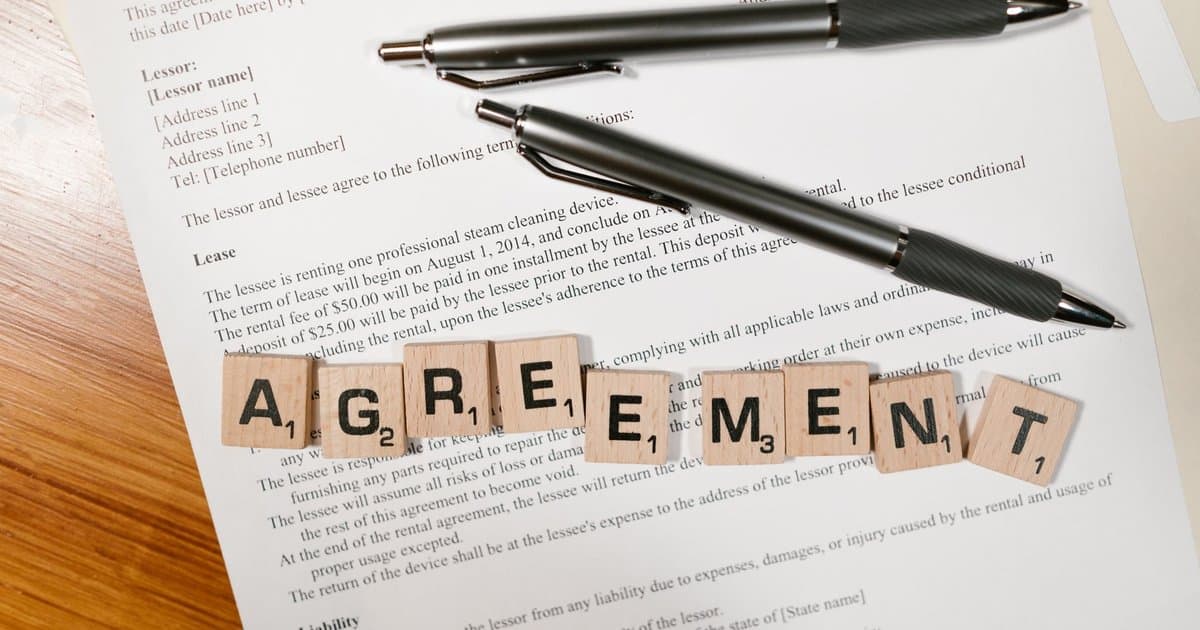
Most leases are long, dry, and written to be skimmed, so most renters sign and hope for the best. The clauses that cost you money are rarely the dramatic ones. They are plain sentences that sit quietly in the middle of the document. None of the five below are illegal, and most are negotiable if you ask before you sign. What they have in common is that they move money from your pocket to the landlord's when you are not paying attention. Read them out loud if you have to, because reading them is the whole defense.
One thing to know up front is that a lease is a negotiation, not a fixed form handed down from above. Many of these terms can be softened, capped, or struck before you sign, especially in a market with plenty of empty units. If a clause looks one sided, ask in writing for it to be changed, and be ready to walk if the answer is no. Landlords rarely volunteer these edits, but they often agree when a reliable tenant asks politely. Get every promise into the actual document, because a friendly word at the showing means nothing once you have signed. With that mindset, here are the five clauses that quietly cost renters the most.
The first is the automatic renewal clause tied to a notice window. Many leases renew on their own for another full term unless you give written notice within a set period, often thirty to sixty days before the end date. Miss that window and you can be locked into another year, or pushed onto a month-to-month rate that costs more. The day you sign, put the notice deadline in your phone with an alert a week early. When it is time, send notice in writing and keep a copy or a screenshot. Landlords count on tenants forgetting this date, and plenty of people pay for the reminder they never set.
The second hides inside three words, joint and several liability. It means every tenant on the lease is responsible for the entire rent, not just their share of it. If a roommate moves out, loses a job, or simply stops paying, the landlord can legally come after you for the full amount. Your own on-time record does not shield you from someone else's default. Before you sign with roommates, talk honestly about what happens if one person leaves early. Ask whether the landlord will do separate leases per room, which keeps one person's mess from becoming yours.
The third is the early termination section, and it is where a life change turns expensive. Some leases set a flat break fee, often one or two months of rent, which is at least a known number. Others make you keep paying rent until they find a replacement tenant, with no deadline and little reason for them to hurry. Those two versions can differ by thousands of dollars, so you need to know which one you signed. Look for whether you are allowed to sublet or reassign the lease, since that is usually a cheaper way out. A job can move or a relationship can end, and the exit terms decide how much that costs you.
The fourth is the late fee language, where small timing slips quietly add up. Some leases charge a flat penalty and then a daily amount for every day the rent is past due. The grace period may be far shorter than you assume, sometimes only three days, sometimes none at all. Set your payment to send a few days early so a weekend or a bank delay never pushes you over the line. Repeated late fees across a year can add up to a full extra month of rent without you noticing. This is the cheapest clause to beat, because all it takes is paying a little ahead of the date.
The fifth is the deposit and deduction section, and your deposit is the money most likely to disappear at the end. The lease spells out what can be taken out, and normal wear and tear is supposed to be excluded, though that line is often left vague. Your strongest protection is a dated move-in report with photos of every room, sent to the landlord in writing on day one. Without that record, a move-out dispute becomes your memory against theirs, and theirs is holding the check. Do a matching walkthrough when you leave and ask for any deductions in writing with receipts. The pattern across all five clauses is the same, the costly parts are in plain view, and ten minutes of reading keeps the money on your side.