When listings move fast and offers stack up, agents start floating the same suggestion to nervous buyers. Drop the inspection contingency and your offer looks cleaner to the seller. It feels like a small concession when you are desperate to win, just a piece of paper you sign away to stand out. The problem is that the paper you are signing away is the one that protects the biggest purchase of your life. Waiving the inspection does not mean skipping the inspection out of laziness. It means agreeing to buy the house exactly as it stands, with every hidden flaw now legally yours.
Start with what that contingency actually does, because most buyers never read it closely. An inspection contingency gives you a defined window to hire a professional, walk the home, and decide what you found is acceptable. If the report turns up something serious, you can ask the seller to fix it, ask for a credit, or walk away and keep your earnest money. That last option is the real power, since it lets you leave a bad deal without losing your deposit. When you waive it, you keep none of those moves. You are committing to close no matter what the walls are hiding behind fresh paint.
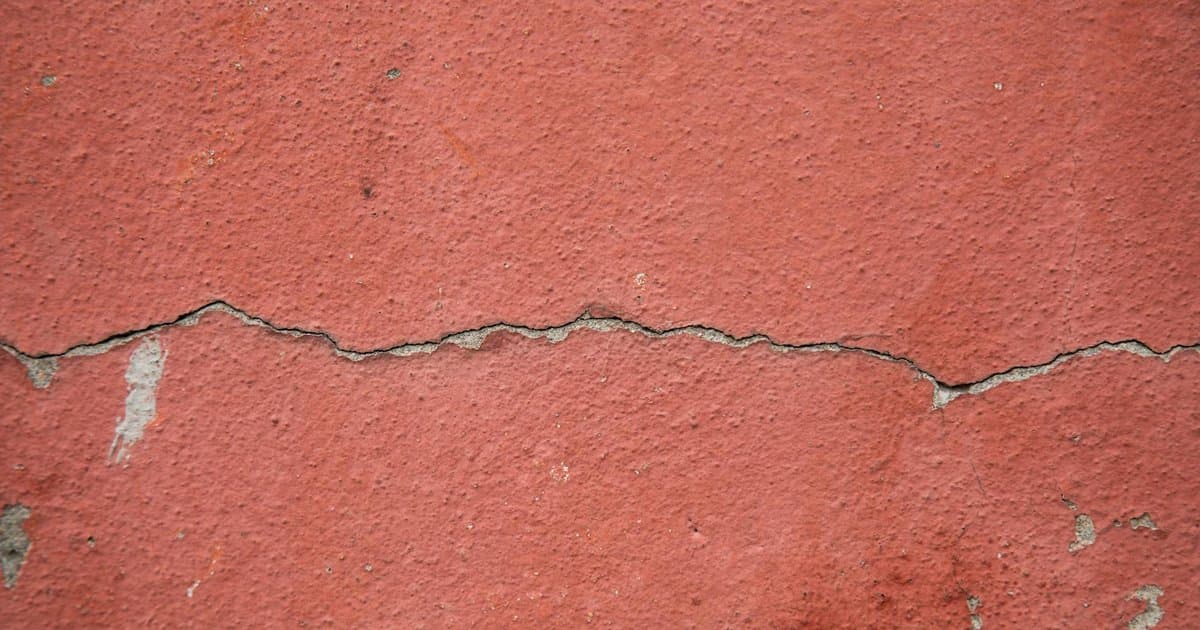
The things that hide in a house are rarely cosmetic, and they are rarely cheap. A cracked foundation or serious settling can run from a few thousand dollars into the tens of thousands once a structural engineer gets involved. A roof at the end of its life is eight to twenty five thousand depending on size and pitch. A failing sewer line under the yard can cost four to twenty five thousand to dig up and replace. Aging electrical panels, knob and tube wiring, dead HVAC systems, and water intrusion each carry their own painful number. None of these announce themselves during a twenty minute showing with the lights on and a candle burning.
Flipped homes deserve special caution, because fresh finishes are exactly where problems get buried. A quick cosmetic remodel can put new paint, new floors, and a staged kitchen over wiring and plumbing that were never touched. Unpermitted work is another quiet risk, since a room or addition built without inspection can fail later and complicate both insurance and resale. Older homes carry their own list, from lead paint and asbestos to galvanized pipes nearing the end of their run. None of this is visible to an excited buyer walking through on a sunny afternoon. A trained inspector knows where to look and what the warning signs actually mean. Skipping that trained eye is how a beautiful listing becomes an expensive lesson.
Here is the part that makes the stakes so high. When you buy a home as is with no inspection, you also buy every one of those problems with no recourse. The seller is not on the hook, because you agreed to take the property in its current condition. Your lender will not cover a surprise repair, since the loan is for the purchase, not the maintenance. So the foundation you discover in month two comes straight out of your savings, on top of a down payment that already drained you. You traded a small edge in a bidding war for the chance to own a money pit alone. That is a steep price for looking slightly more aggressive on paper.
The good news is that the choice is not simply inspect or waive, all or nothing. You can keep an inspection but make it information only, meaning you still hire the inspector and learn the truth without the right to renegotiate. You can run targeted checks instead of a full contingency, like a sewer scope for around two to three hundred dollars or a structural look at an older home. Some buyers arrange a pre offer inspection before they ever write the contract, so they bid with eyes open. Even a shorter contingency window can reassure a seller without leaving you blind. These middle paths let you compete hard while still knowing what you are buying.
So before you cross out that clause to win, run the honest math on what could go wrong. Ask yourself whether you have the cash to absorb a surprise that lands in the five figures within the first year. Look at the age of the home, the condition of the roof, and whether the systems have ever been updated. If you must compete, lean on the information only inspection or a sewer scope rather than going in completely blind. Walk the property with someone who knows what a real defect looks like, not just what shows well. The house is supposed to build your wealth, and it cannot do that if it bankrupts you the month you move in.