When housing gets competitive, buyers start looking for any way to win. One of the most common moves is to waive the home inspection. Sellers love it because it means a cleaner, faster deal with fewer ways for the sale to fall apart. Agents sometimes suggest it as the thing that makes your offer rise above the rest. On paper it looks like a small sacrifice for a big edge. In practice it can be one of the most expensive choices a buyer ever makes.
A home inspection is a few hours that can save you years of regret. A trained inspector walks the property and checks the roof, the foundation, the wiring, the plumbing, and the major systems. They look for the problems a quick showing will never reveal. You are not just buying paint and countertops, you are buying everything behind the walls. The inspection is your one real chance to see that hidden side before the house is yours. Waive it, and you are agreeing to buy the place blind.
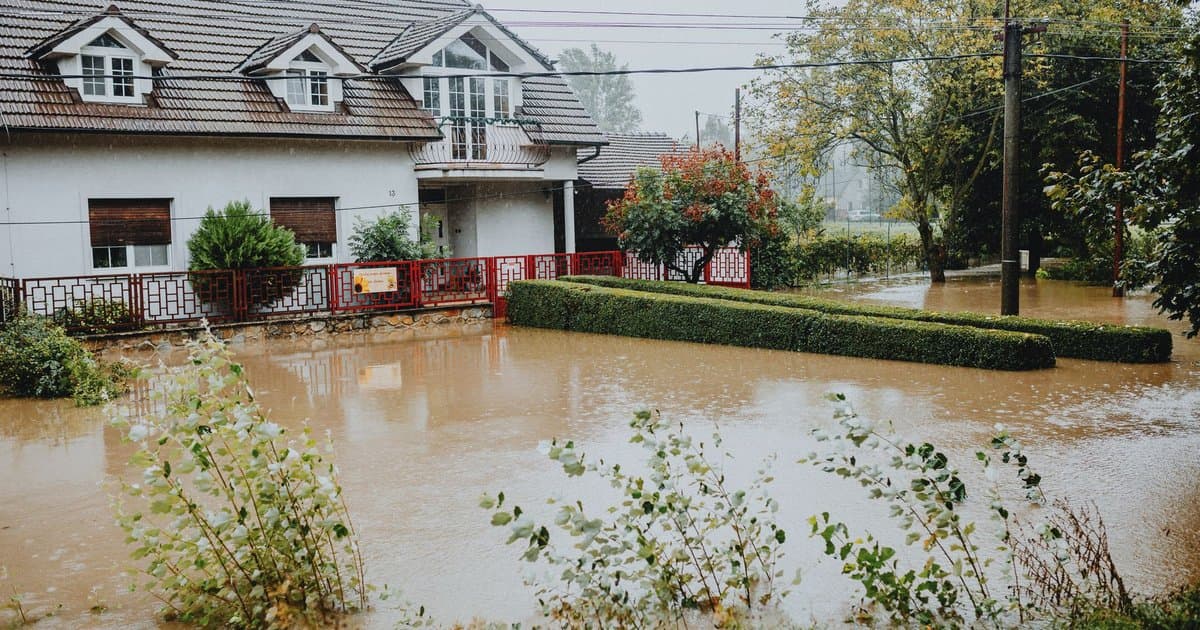
The first thing at risk is your wallet, and the numbers get large fast. A failing roof can cost tens of thousands of dollars to replace. A cracked foundation can run even higher and threaten the whole structure. An old heating and cooling system might die within a year of move in. Faulty wiring can be both a money problem and a fire risk at once. Skip the inspection, and every one of those surprises becomes your bill alone.
Money is not the only thing on the line here. Some hidden problems are genuine safety hazards for your family. Mold behind the walls can make people sick without any obvious warning. Old wiring can spark fires long after you move in. A cracked heat exchanger can leak carbon monoxide, a gas you cannot see or smell. An inspection flags these dangers before anyone is living inside and breathing them in.
There is also a quieter loss when you waive the inspection. A clean inspection report gives you power at the bargaining table. If the inspector finds problems, you can ask the seller to fix them or drop the price. You can also walk away entirely if the issues are too big to stomach. Waive that right, and you throw away your last real chance to renegotiate or exit. You are locked in, whatever the house turns out to be hiding.
None of this means buyers who waive are foolish, because the pressure is very real. In a bidding war, an offer with no inspection can beat a higher offer that keeps one. Some buyers feel they have no choice if they want to compete at all. Others assume a newer home cannot have serious problems, which is not always true. The temptation makes sense when you are tired of losing house after house. The mistake is treating the waiver as free when it carries so much risk.
The good news is that it does not have to be all or nothing. Some buyers pay for an inspection before they even make an offer, so they know what they are bidding on. Others keep the inspection but promise not to ask for repairs, which reassures the seller. A few negotiate a smaller cap, agreeing to walk only if repairs top a set dollar amount. These middle paths keep your offer strong while still protecting you from disaster. A good agent can help you shape one that fits your market.
A house is likely the biggest purchase you will ever make. Handing over that much money without looking behind the walls is a serious gamble. Sometimes the gamble pays off and the home is exactly as sound as it looked. Other times it hides a five figure repair that lands the week after closing. Before you waive the inspection to win, be honest about what you could lose. The offer that wins the house is not always the one that protects your future.