When homes get scarce and buyers get desperate, the inspection is often the first thing to go. Agents pass along the same advice, drop the inspection and your offer stands out. Sellers love a clean bid with fewer ways for the deal to fall apart. So a buyer, eager to finally win, signs away the one step built to protect them. It feels bold and decisive in the moment. It can also be the most expensive shortcut a person ever takes.
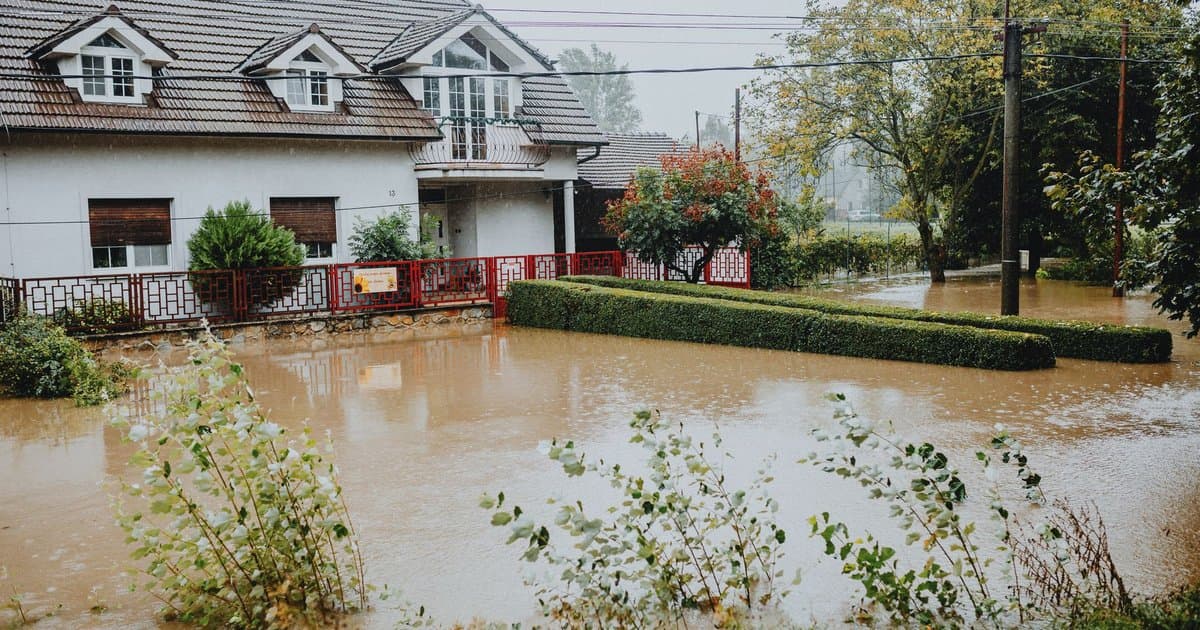
Start with what an inspection actually is, because the word gets thrown around loosely. A home inspection is a trained professional walking the property to check its major systems and structure. They look at the roof, the foundation, the electrical panel, the plumbing, and the heating and cooling. They hunt for water damage, mold, pests, and drainage that pushes water toward the house instead of away. In a few hours they build a picture of the home that no showing can give you. The point is simple, to tell you what you are really buying before the money moves.
Now weigh what those hidden problems cost when nobody looks for them. A tired roof can run well past ten thousand dollars to replace. A cracked foundation or a failing sewer line can climb higher than that in a hurry. Old wiring can be both a repair bill and a fire risk sitting quietly behind the walls. A heating and cooling system near the end of its life can fail the first hard winter. Skip the inspection and you do not dodge these problems, you simply inherit them without warning. The seller walks away, and the surprise becomes your mortgage payment plus a repair loan.
There is a second loss that is easy to overlook, and that is your negotiating power. An inspection report is not only a warning list. It is a bargaining tool. When a report turns up real issues, a buyer can ask for a price cut, a repair, or a credit at closing. Waive the inspection and you throw that entire negotiation out before it starts. You agree to the home exactly as it stands, flaws and all, with no room to push back. In a tight market that gap can be the difference between a fair deal and a raw one. A few thousand dollars in credits can hinge entirely on what the report turns up. Give that up and you are betting the home has no problems worth naming. That is a large bet to place on a house you have only walked through once.
Safety is the part that rarely makes the spreadsheet, yet it should. A house is where people sleep, cook, and raise children, so its hidden faults are not just financial. A gas leak, a bad electrical panel, or a weak structural beam puts a family at real risk. An inspector is trained to spot the warning signs that an excited buyer walks right past. Finding a problem before you close means you can fix it, price it in, or walk away. Finding it after you move in means living with it until you can afford the repair.
Here is the part most anxious buyers never hear. You do not have to choose between winning the home and knowing its condition. One option is an information only inspection, where you inspect the home but promise not to ask for repairs. The seller still gets a clean offer, and you still learn what you are buying. Another option is a pre offer inspection, where you inspect before you even bid. Some buyers use a shorter inspection window or cap how much they will ask a seller to fix. Each of these keeps the knowledge while trimming the friction the seller dislikes.
The key is to separate two things that get mashed together in a rush. Waiving the inspection contingency is a negotiating choice about your right to ask for repairs. Skipping the inspection itself is a choice to buy blind. You can give up the first without giving up the second. Even a quick walk and talk inspection, where an inspector tours the home and tells you what they see, beats knowing nothing. Knowledge almost never hurts a buyer. Ignorance is what sends people to closing with their eyes shut.
The mistake is treating the inspection as a delay to cut rather than a shield to keep. Homes are the largest purchase most people ever make, and the stakes match that size. Before you sign away your right to look, ask what a hidden roof or foundation bill would do to your budget. Ask your agent about an information only or pre offer inspection so your bid stays strong. Protect the knowledge even when you trade away the negotiating power. Winning the house means little if it quietly costs you the next five years of savings.