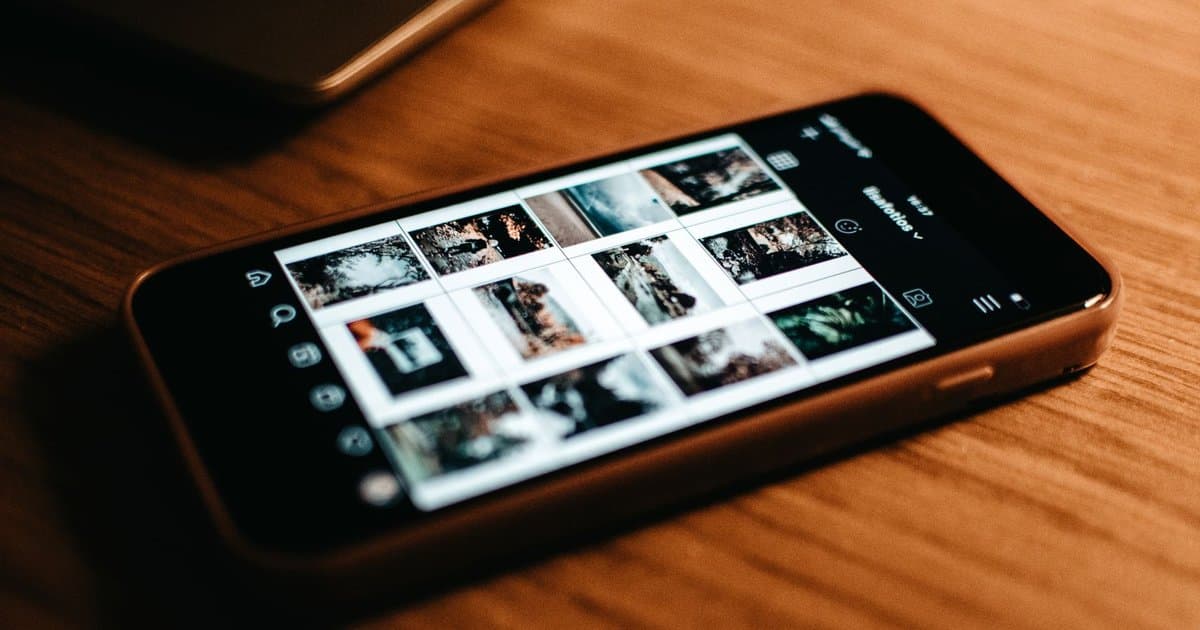
Picture your phone slipping out of your hand and into a lake, or vanishing from a table at a coffee shop. In one second, every photo, note, and message on it could be gone for good. For a lot of people, that phone holds the only copy of years of memories. There is no second version anywhere, so when the phone dies, the memories die with it. This is one of the most painful and most avoidable mistakes in everyday tech. The fix is boring, cheap, and takes about ten minutes.
Your phone is the worst possible place to keep the only copy of anything you love. It rides in your pocket, so it gets dropped, soaked, sat on, and left behind. It is small and valuable, which makes it a top target for thieves. Its battery and parts wear out, and one day it simply will not turn on. Kids grab it, screens crack, and updates sometimes go wrong. Anything that lives in one place that fragile is one bad moment away from being gone.
People who work with data for a living follow a simple rule called three, two, one. Keep three copies of anything you care about, not just one. Store them on two different kinds of storage, so a single failure cannot wipe them all. And keep at least one copy somewhere else, away from the device itself. It sounds like a lot, but the phone plus two easy backups already meets it. The point is that no single accident should be able to erase your only copy.
The first move is to turn on automatic cloud backup and let it run. Both major phone systems offer built in photo and data backup that uploads on its own. Once it is on, new photos copy to the cloud over WiFi without you lifting a finger. That means a lost or dead phone no longer means lost photos, because a copy already sits online. Check that it covers photos, contacts, and messages, not just some of them. Set it and let it work quietly in the background every night.
One cloud account, though, is still just one basket, so do not stop there. Accounts get locked, passwords get lost, and services can close or glitch. If someone breaks into that single account, they could delete everything in it at once. A stray tap can wipe a photo library, and the cloud will faithfully copy the deletion. So keep a second copy in a different place, like an external drive or a second service. Two separate copies mean one failure is a headache, not a disaster.
A backup only counts if it is actually running, so check on it now and then. Open your settings and confirm the last backup happened recently, not months ago. Watch for a paused message, which often means the storage filled up and uploads stopped. If it is full, clear space or pay the small monthly fee for more room. Every so often, open a backed up photo from another device to prove the copy really works. A backup you never check is just a guess, not a safety net.
If you set nothing else up this week, do this ten minute routine once. Turn on automatic cloud backup for photos and data on your phone. Add one second copy, either a cheap external drive or a second cloud service. Write down where both live so future you can find them. Set a reminder to glance at the backup once a month. That one short setup guards years of memories against a single bad second.
Photos get all the attention, but they are not the only thing worth saving. Your contacts, notes, calendars, and text threads can be just as hard to rebuild from scratch. Most backup tools can cover those too, so turn them on while you are in the settings. Protect the account that holds your backup with a strong, unique password and a second step to log in. If that account falls into the wrong hands, every copy inside it is at risk at once. Write down your recovery codes and store them somewhere safe and offline. A backup is only as secure as the login guarding it, so treat that login with care. That one step keeps a thief from turning a single stolen password into total loss.
Nobody plans the day their phone drops in the water or walks off with a stranger. That is exactly why the copies have to exist before it happens, not after. A phone is a tool that will fail eventually, but your memories do not have to fail with it. Give them a second home, and a third, so no one moment can take them all. The effort is small and you do it once. The regret it spares you can last a lifetime.