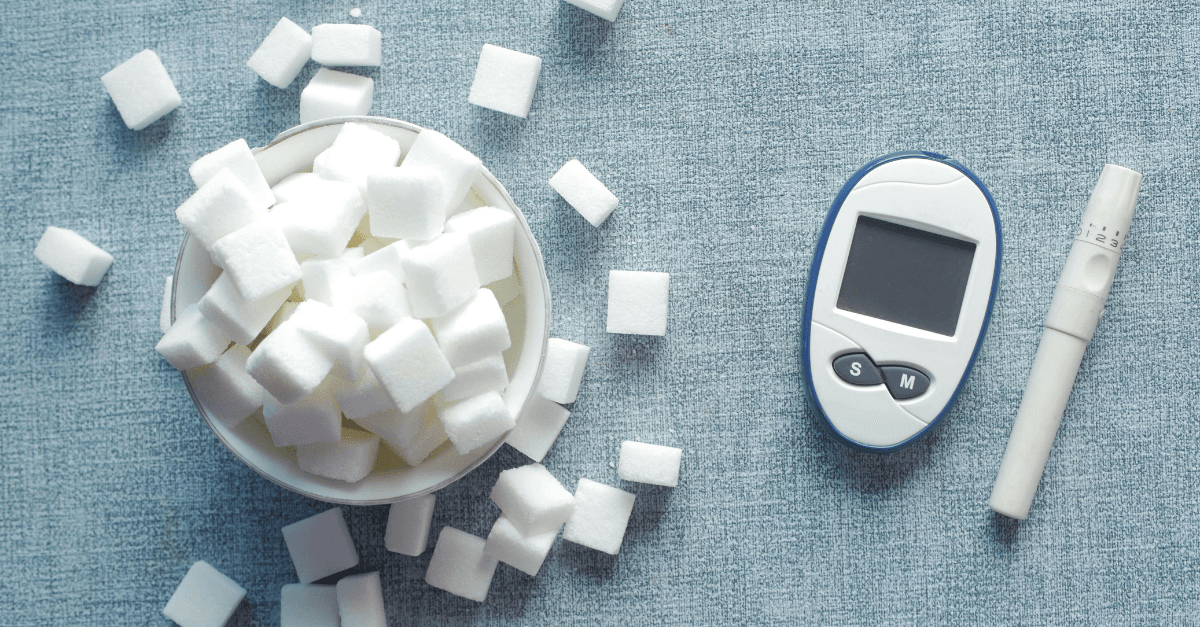
Continuous glucose monitors (CGMs) used to be medical devices restricted to diabetics. Over the past 18 months, the FDA approval of over-the-counter CGMs from Abbott (Lingo) and Dexcom (Stelo) has made these devices available to healthy adults for 50 to 90 dollars per month. The data they produce has fundamentally changed what nutrition researchers and informed individuals understand about how common foods affect blood sugar in real-world conditions. The findings on snacks specifically contradict most of what nutrition labels and dietary guidelines imply. The honest readings are interesting, useful, and worth knowing before deciding what to put in a snack drawer.
The first finding that surprised researchers is the variability between individuals eating the same food. The 2024 PERSONAL study at the Weizmann Institute tracked 1,200 healthy adults wearing CGMs and feeding them standardized meals. The same banana produced glucose responses ranging from minimal spike (under 20 mg/dL elevation above baseline) in some individuals to severe spike (over 80 mg/dL above baseline) in others. The variability was reproducible within individuals, meaning the responses were individual-specific and stable. The implication is that generic nutrition advice based on average responses misses most of the actually relevant information for any specific person.
The second finding is that the glycemic index, the academic measure of food impact on blood sugar, is unreliable as a predictor of real-world response. Foods rated low glycemic index (under 55) routinely produced large glucose spikes in CGM data, and foods rated high glycemic index sometimes produced minimal spikes. The 2024 data suggested individual response variation accounted for roughly 60 percent of the actual response, food composition for 30 percent, and the GI rating for less than 10 percent. The GI was developed in the 1980s on small samples and has not held up to large-scale CGM verification.
The third finding is about specific common snacks that almost universally spike blood sugar more than expected. Granola bars (even the ones marketed as healthy) produced average glucose responses of 65 to 110 mg/dL above baseline within 30 minutes for most subjects. Smoothies, particularly fruit-heavy ones, produced 70 to 130 mg/dL responses. Rice cakes, marketed as low-calorie healthy snacks, produced some of the highest glucose responses in the entire study at 95 to 140 mg/dL on average. Yogurt with added sugar (most flavored yogurts on grocery shelves) hit 60 to 100 mg/dL. The marketing framing of these foods as healthy is contradicted by the underlying physiological response data.
The fourth finding is that protein-and-fat snacks consistently produced low glucose responses across nearly all subjects. Hard-boiled eggs, cheese with cured meat, nuts (particularly almonds and walnuts), full-fat Greek yogurt without added sugar, hummus with vegetables, and avocado on a small piece of seed bread all produced average responses of 5 to 30 mg/dL above baseline. The individual variation was much lower for protein-fat combinations than for carbohydrate-dominant snacks, meaning these foods are more reliably "low impact" across populations.
The fifth finding is that the order in which food components are consumed matters meaningfully. A 2023 study at Cornell published in BMJ Nutrition tracked subjects eating identical meals in different sequences. Eating protein and fiber before carbohydrates reduced the post-meal glucose spike by 30 to 50 percent compared with the carb-first order. The practical implication is that pre-eating a hard-boiled egg or some cheese before a granola bar fundamentally changes the glucose response, even though the total calories and macronutrients are identical. The food order is a hack worth knowing.
The sixth finding is the time-of-day effect. The same snack consumed at 10 AM produces a smaller glucose response than the same snack consumed at 3 PM for most subjects. The afternoon insulin sensitivity is meaningfully lower than morning sensitivity. The implication is that the optimal time for higher-carbohydrate snacks (when you want to have them at all) is morning, not afternoon. The 3 PM cookie is worse for blood sugar than the same cookie at 9 AM, even if the calorie count is identical.
For Nashville adults considering whether to wear a CGM for 4 to 8 weeks to map their own responses, the practical return is high. The 200 to 350 dollar investment for a 30-day or 60-day CGM trial produces personalized data that no generic dietary advice can replicate. The patterns you discover are stable enough to inform years of food decisions afterward. The CGM is not necessary forever. The trial period is enough to identify which foods spike your blood sugar individually and which do not.
The findings have broader implications for the wellness industry's snack marketing. The "healthy snack" category, valued at roughly 47 billion dollars in 2025 in the US, is dominated by products that perform poorly on CGM data. Granola bars, smoothies, fruit-based snack packs, and "natural" sweetened products all produce glucose responses that contradict their marketing. The category is essentially carbohydrate delivery dressed up as health food. The category that actually performs well on CGM data (protein bars, nut mixes, cheese-and-meat combinations, savory snacks) is smaller and less aggressively marketed.
The takeaway is that snack decisions can be made on real data rather than on marketing claims and average-based nutrition advice. The CGM is the diagnostic tool that makes this possible for the first time at consumer scale. A month or two of CGM data per individual produces lifetime-useful information about which foods you specifically can eat without significant glucose impact. The investment is small relative to the return. Most adults will be surprised by what their data shows. The most useful surprises are usually the ones that contradict what the food label implies.