A doctor checks your blood pressure, listens to your chest, and asks whether you sleep through the night. What they rarely ask is whether you breathe through your nose while you sleep, even though that single habit shapes how much oxygen your tissues get every hour you spend in bed. Mouth breathing at night is one of the most underdiagnosed contributors to poor sleep, daytime fatigue, and dry mouth complaints in adults under fifty. Research published in 2023 in the Journal of Clinical Sleep Medicine looked at 187 adults with mild sleep complaints and found that habitual mouth breathers had 24 percent lower oxygen saturation on average during REM and 31 percent more nighttime awakenings than nasal breathers. The fix is not a prescription, a clinic visit, or a CPAP machine for most people. It is a roll of medical paper tape that costs about eight dollars and lasts a year.
Nasal breathing changes the chemistry of what enters your lungs in ways oral breathing cannot replicate. The nose warms incoming air to body temperature, filters particulates, and releases nitric oxide that improves how efficiently oxygen crosses into the bloodstream. A 2019 review in the European Respiratory Journal tracked nitric oxide output during nasal versus oral breathing and found nasal pathways produced six times the bioavailable nitric oxide of mouth breathing, which means tissues get more oxygen from the same number of breaths. Patrick McKeown, a researcher who has studied breathing patterns for two decades, points out that endurance athletes who train nasal-only see resting heart rates drop and recovery markers improve within four to six weeks. None of this requires a doctor visit. It requires changing how you breathe while you sleep.
The reason this rarely comes up in clinic is straightforward. There is no billable procedure attached to nasal breathing, no pharmaceutical company sponsoring continuing education on it, and most primary care visits run fifteen minutes. A clinician scanning a chart for hypertension, cholesterol, and depression screening does not have time to ask about jaw position or tongue posture. So patients with chronic fatigue, brain fog, and morning headaches end up cycling through sleep studies, antidepressants, and stimulants when the underlying issue is something they could solve with paper tape and a few weeks of practice. That gap between what works and what gets billed is where most cheap interventions get lost.
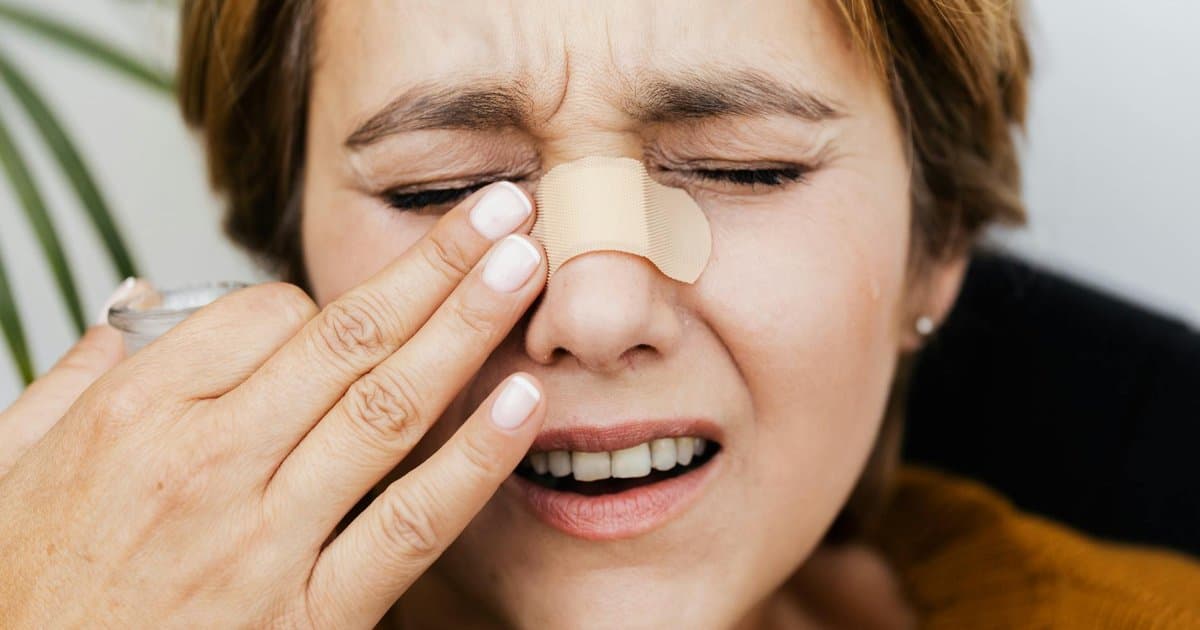
Mouth taping has moved from fringe tactic to clinically studied intervention in the last five years. A 2022 paper out of Stanford Sleep Center applied a small piece of hypoallergenic tape across the lips of 38 subjects with mild snoring and found a 53 percent reduction in snoring intensity along with a 4 percent average improvement in sleep efficiency within two weeks. The brand of tape matters less than breathability and skin tolerance. Most users do well with 3M Micropore or Hostage Tape, both of which cost between eight and twelve dollars and last three to six months. People with chronic nasal congestion, deviated septums, or active respiratory infections should resolve those issues first before taping, since the mouth is the backup airway during a cold.
The practical rollout takes about three weeks. Start during the day with intentional nasal breathing for thirty to sixty minutes while working or driving, so the nervous system stops defaulting to mouth breathing under stress. Add a small vertical strip of tape across the lips at night for the first week, leaving a small opening for emergency airflow. Most adults adapt within ten days. By week three, sleep tracker data from Oura and Whoop users who have logged the change show meaningful drops in resting heart rate, often four to nine beats per minute, and longer deep sleep windows. The cost of the trial is under fifteen dollars total. The downside is minor skin irritation that resolves when you switch tape brands.
The bigger story here is that some of the highest impact health interventions are not on a prescription pad. They are habits that an annual physical does not have time to address. If you wake up with a dry mouth, a partner who reports snoring, or chronic afternoon fatigue, the test costs less than a coffee and runs for two weeks. That kind of math is worth running before you book another specialist appointment. Most people will not need anything more aggressive once they fix how they breathe at night. The handful who do need clinical follow-up will get there faster because the simple thing has already been ruled out. Either way, you stop waiting on a system that does not have time to ask the question.