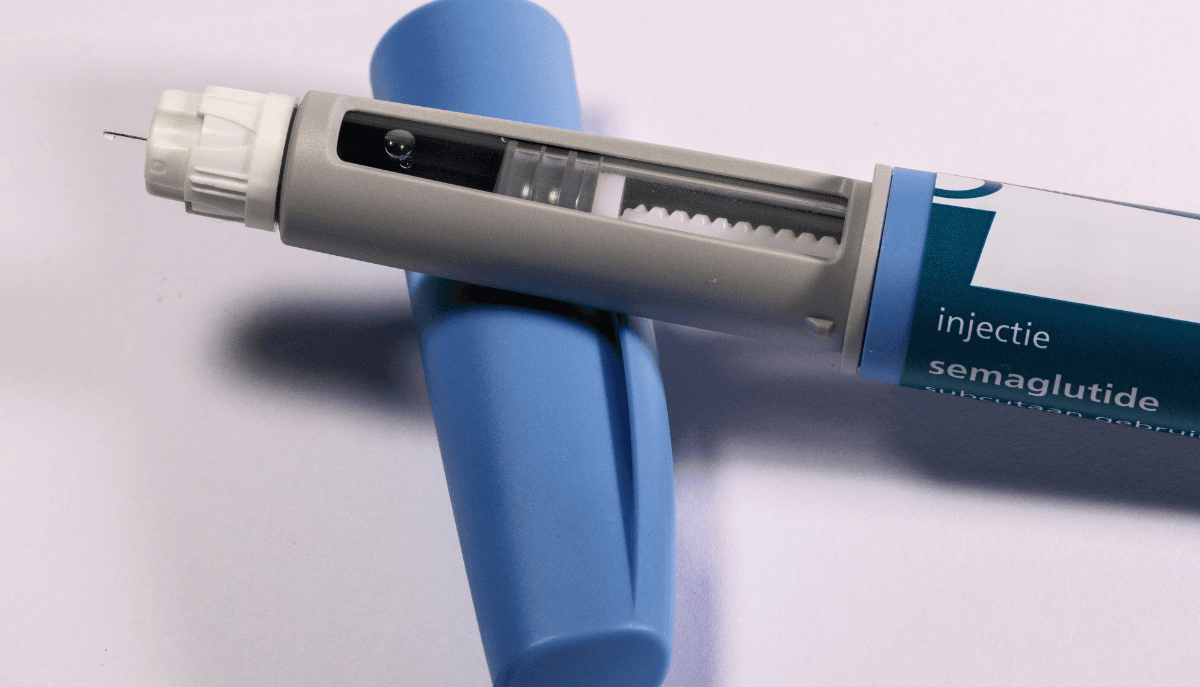
If you have been paying attention to health news over the last two years, you already know about GLP-1 receptor agonists. Ozempic, Wegovy, Mounjaro, and Zepbound became household names after their dramatic effects on weight loss captured public attention and turned Novo Nordisk and Eli Lilly into two of the most valuable pharmaceutical companies on the planet. What you might not know is that the story of these drugs is evolving far beyond the scale. Researchers and clinicians are now finding that GLP-1 medications have significant effects on heart disease, chronic kidney disease, liver disease, and even addiction, raising the possibility that this single class of drugs could become the most broadly impactful pharmaceutical development in a generation.
The cardiovascular evidence has been building steadily and is now difficult to dismiss. The SELECT trial, which followed more than 17,600 participants with established cardiovascular disease, found that semaglutide reduced the risk of major adverse cardiovascular events, including heart attack, stroke, and cardiovascular death, by 20% compared to placebo. That result was significant enough to change prescribing patterns and insurance coverage decisions, and it moved GLP-1 medications from the weight management category into the cardiology toolkit. For patients who have both obesity and cardiovascular risk, the drugs are no longer an optional add-on to diet and exercise. They are becoming a core part of treatment plans recommended by cardiologists who previously viewed weight loss drugs with skepticism.
The kidney disease data is newer but equally promising. Early clinical trials have shown that GLP-1 medications slow the progression of chronic kidney disease in patients with type 2 diabetes, reducing the decline in kidney function by a margin that nephrologists describe as clinically meaningful. Given that chronic kidney disease affects approximately 37 million Americans and is one of the leading drivers of healthcare costs, the implications of a drug that can slow its progression while simultaneously improving metabolic health are enormous. The mechanism appears to involve reduced inflammation and improved blood flow to the kidneys, which are benefits that go beyond what you would expect from weight loss alone and suggest that these drugs are doing something more fundamental at the cellular level.
The addiction research is perhaps the most surprising frontier. Anecdotal reports from patients on GLP-1 medications describing reduced cravings for alcohol, nicotine, and even compulsive behaviors prompted researchers to investigate whether the drugs affect the brain's reward pathways in ways that extend beyond appetite suppression. Preliminary data from several ongoing trials suggests that they do. The GLP-1 receptor is expressed in regions of the brain associated with reward and motivation, and activating those receptors appears to dampen the kind of compulsive seeking behavior that drives addiction. This is still early-stage science, and no GLP-1 medication has been approved for addiction treatment, but the clinical interest is intense and the anecdotal evidence is consistent enough that large-scale trials are now underway at multiple academic medical centers.
Liver disease, specifically non-alcoholic steatohepatitis, or NASH, is another area where GLP-1 medications are showing results that go beyond what weight loss alone would predict. NASH has become one of the most common liver diseases in the United States, driven by the same metabolic dysfunction that underlies obesity and type 2 diabetes, and until recently there were almost no effective pharmaceutical treatments for it. Clinical trials with semaglutide have shown significant improvements in liver inflammation and fibrosis scores, and the FDA is currently reviewing data that could lead to an approval for this specific indication. If approved, it would represent the first effective drug treatment for a disease that currently progresses to cirrhosis and liver failure in a significant percentage of patients.
The question that hangs over all of this is access. GLP-1 medications currently cost between $800 and $1,300 per month without insurance, and coverage varies widely depending on the insurer, the indication, and the patient's specific diagnosis. Medicare began covering some GLP-1 medications for obesity in early 2026 after years of advocacy, but the coverage remains limited and the prior authorization process is burdensome. For the full potential of these drugs to be realized across cardiovascular, kidney, liver, and addiction applications, the pricing and access infrastructure needs to change substantially. The science is there. The manufacturing capacity is scaling. The missing piece is a system that makes these treatments available to the people who would benefit most, rather than only to those who can afford to pay out of pocket.