Resting heart rate is the simplest cardiovascular metric anyone can measure, and it is one of the most predictive markers in long-term mortality research. The Copenhagen Male Study tracked 2,798 middle-aged men over 16 years and found that resting heart rate above 80 beats per minute was independently associated with a 51 percent higher risk of all-cause mortality compared to men with a resting heart rate of 65 or lower. That effect held even after adjusting for blood pressure, smoking, physical activity, BMI, and family history of heart disease. The Copenhagen findings have been replicated in cohorts from Norway, France, Japan, and the United States. The signal is consistent. Lower resting heart rate, longer life.
The threshold most clinicians watch in 2026 is 70 beats per minute. The Framingham Heart Study follow-up and the Atherosclerosis Risk in Communities cohort both show risk inflection above that number, with the steepest curve above 80. A 2023 meta-analysis in the European Heart Journal pooled 87 studies covering 1.2 million adults and found that every 10 beat per minute increase above 65 was linked to a 9 percent rise in all-cause mortality and a 13 percent rise in cardiovascular mortality. Those are population numbers, not individual guarantees, but the direction is clear and the curve is steep.
The reason resting heart rate works as a predictor is that it is a downstream reading of how stressed the cardiovascular system is at baseline. A heart beating 85 times a minute at rest is working harder than one beating 58. Over decades, that extra work shows up as ventricular wall thickening, reduced heart rate variability, and accelerated arterial stiffening. The resting number captures sympathetic nervous system load, fitness, hydration, sleep, alcohol intake, and inflammation in one easy reading. That is what makes it valuable. It compresses six measurements into one.
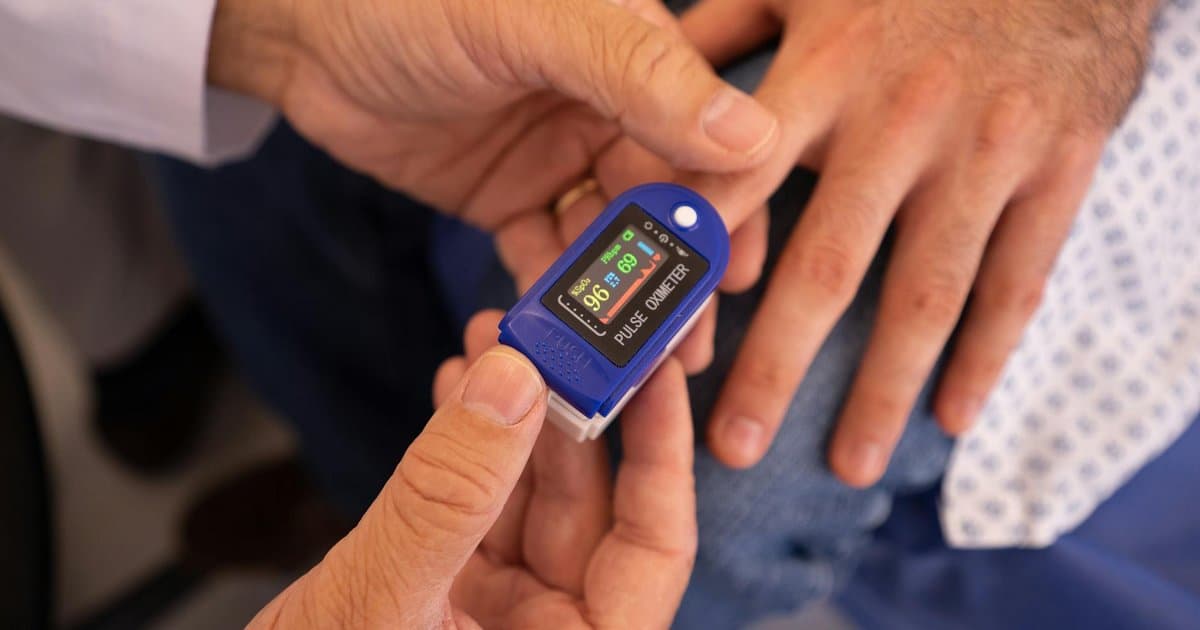
How to measure it correctly matters. Take it first thing in the morning, before you get out of bed, after at least four hours of sleep. Count the pulse at the wrist or neck for 30 seconds and multiply by two, or read it from a wearable. Apple Watch, Garmin, Whoop, and Oura all measure within two to three beats per minute. The number to track is the seven-day average, not any single reading. A single high reading can mean you are dehydrated, hungover, or fighting a virus. A seven-day trend that climbs five to ten beats above baseline almost always means something is off, whether overtraining, illness onset, poor sleep, or rising stress.
The fastest way to lower it is aerobic conditioning. Three to five 30-minute sessions a week of moderate cardio, at a pace where you can hold a conversation but not sing, will drop resting heart rate by 6 to 12 beats per minute over 12 weeks in untrained adults. The American Heart Association data on this is unambiguous. Walking briskly, cycling, swimming, rowing, and hiking all qualify. Easy steady-state aerobic work is where cardiac output adaptation happens. Hard intervals build VO2 max but do less for resting heart rate. You need both, with the easier work doing the larger share of the volume.
Three habits beyond exercise move the number measurably. Sleep is the largest non-training factor. Adults who get under six hours of sleep show resting heart rates 5 to 8 beats higher than the same adults on seven to nine hours, based on Whoop and Oura longitudinal data. Alcohol is the second. Even one to two drinks in the evening raises overnight resting heart rate by 5 to 12 beats and cuts heart rate variability for 18 to 24 hours. Caffeine after 2 PM is the third, lifting evening and overnight heart rate by 3 to 6 beats in caffeine-sensitive individuals. Cleaning up all three is free and works fast.
The number to aim for depends on starting point and age. A trained adult in their thirties or forties can target 55 to 65 beats per minute. A trained adult in their fifties and sixties can target 58 to 68. Untrained adults at 75 to 85 should celebrate a drop to 70 in the first 12 weeks. Marathon runners and competitive cyclists who post sub-50 numbers are not the goal. The target is moving your own number down from wherever it sits today.
Two cautions. Athletes on heavy training loads sometimes show a low resting heart rate that climbs sharply, often signaling overtraining rather than improvement. Beta blockers and certain other heart medications suppress resting heart rate, so the metric is less useful as a fitness signal for people on those meds. Anyone with a resting heart rate consistently above 90 or below 40 outside of athletic context should talk to a cardiologist before drawing conclusions from a wearable.
Measure tomorrow morning. Track the seven-day average for four weeks. Make one habit change and watch what the number does. The reading is free, the device is on your wrist, and the relationship to lifespan is one of the most reproducible findings in cardiovascular research.