People taste a dish at a good restaurant and assume there is some hidden ingredient they could never find. They imagine a rare spice, a fancy stock, or a technique that takes years to learn. Most of the time the real difference is much simpler and a lot cheaper. It is salt, and specifically how and when the cook uses it. Home cooks treat salt as a finishing touch sprinkled at the end, while chefs treat it as a tool used at every stage. That gap in approach is why the same recipe can taste flat in one kitchen and full in another.
The first thing chefs do differently is salt in layers as they go. They season the onions as they soften, the meat before it sears, and the water before the pasta drops. Salt added early works its way into the food rather than sitting on the surface. By the time the dish is done, the seasoning runs all the way through instead of forming a sharp crust on top. When you salt only at the end, the outside tastes salty while the inside tastes like nothing. Building the seasoning in stages is the single biggest move most home cooks are missing.
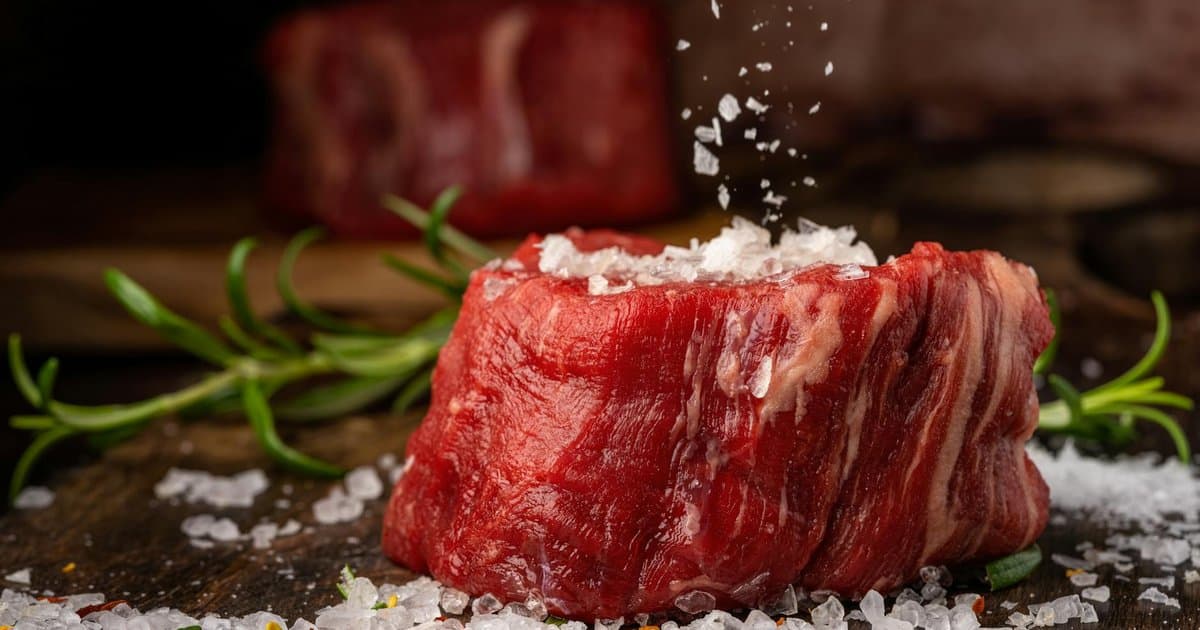
The second habit is salting meat well ahead of time, not just before it hits the pan. Salt pulls moisture to the surface, the moisture dissolves the salt, and then the salty liquid soaks back into the meat. Given even forty minutes, and better yet a few hours, the seasoning penetrates deep and the texture improves. A chicken thigh salted in the morning and cooked at night tastes worlds apart from one salted at the stove. This is why restaurant proteins taste seasoned to the bone. They were salted long before they were cooked.
The third thing chefs understand is that salt does more than make food taste salty. The right amount sharpens sweetness, softens bitterness, and wakes up flavors that were already there but sleeping. A pinch of salt in a dessert makes the caramel taste richer, not saltier. A little salt in a tomato sauce makes the tomatoes taste more like themselves. Salt is less of a flavor and more of a volume knob for every other flavor in the pot. Used well, it makes a dish taste more like what it is supposed to be.
The fourth difference is the type and feel of the salt itself. Many cooks use a coarse kosher salt because the larger flakes are easy to pinch and scatter by hand. Working with your fingers gives you control that a shaker never will, since you can feel how much you are adding. A flaky finishing salt on top of the plate adds little bursts of crunch and brightness right before you eat. None of this requires anything expensive. A box of kosher salt costs almost nothing and lasts for months.
It is worth saying a word about the fear that holds most home cooks back, which is the worry of oversalting. That fear is exactly why so many dishes end up flat, because people add a timid pinch and stop well short of where the food comes alive. The truth is that properly seasoned food does not taste salty at all, it simply tastes complete and full. You can also protect yourself by salting in small steps and tasting between them, so you sneak up on the right level instead of dumping it in. If you ever do go too far, a splash of acid like lemon or vinegar, or a little more of the unsalted base, can pull a dish back into balance. Salt under your own hand, added gradually, is far safer than a single heavy shake at the end. Once you trust your tongue instead of the recipe, the fear fades and the cooking gets better.
One more thing chefs understand is that salt and time work together on big cuts and stews. A roast or a pot of beans seasoned early and cooked slowly lets the salt travel into every layer. Rushing salt onto the surface at the end can never reach that same depth, no matter how much you add. This is why a soup often tastes better the next day, after the seasoning has had hours to settle and spread. Patience is part of the seasoning, not separate from it. Give salt the time it needs and the food rewards you for it.
The habit that ties it all together is tasting as you cook. Chefs taste constantly, adjusting the seasoning at each stage instead of guessing at the end. A spoon dipped into the pot tells you more than any recipe ever could, because every onion and every tomato is a little different. Add a small pinch, taste, and add again until the food tastes like the best version of itself. The skill is not magic and it does not take years to build. Salt early, salt your meat ahead, and taste as you go, and your cooking will start to close the gap with the kitchens you admire.