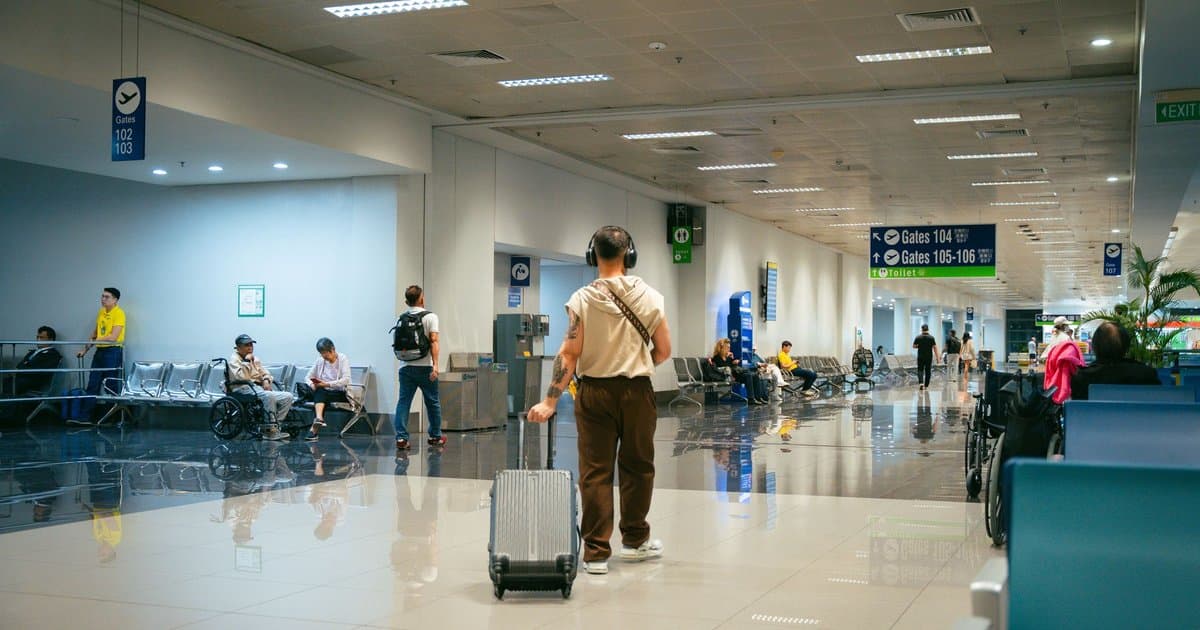
Getting bumped from a flight feels like bad luck, but most of the time it is simple math. Airlines sell more seats than the plane holds because they expect a certain number of no-shows on every route. That practice is legal, and it usually works out fine because someone always misses the flight. When everyone actually shows up, the plane is oversold and somebody has to stay behind. The gate agent then gets on the speaker and asks for volunteers, usually in exchange for a travel credit. What that announcement says and what you are actually owed are two very different things. Knowing the gap between the two can be worth several hundred dollars and a free trip later.
There are two kinds of bumping, and the difference matters a lot. The first is voluntary, where you raise your hand and accept an offer to take a later flight. That offer is negotiable, and the first number is almost never the best one. Agents often open with a low travel voucher because they have room to go higher and most travelers grab the first thing offered. You can ask for cash instead of a voucher, a confirmed seat on the next flight rather than standby, a meal, and a hotel if the delay runs overnight. You can also ask how full the alternate flight is, because if the airline is desperate, the offer climbs fast. If your schedule has any give in it, this is the moment to use it.
The second kind is involuntary, and this is where federal rules take over. When not enough people volunteer, the airline can deny you boarding even though you hold a confirmed ticket. At that point you are no longer at the mercy of a voucher. Under Department of Transportation rules, if the airline gets you to your destination more than an hour late, you are owed cash compensation based on your one-way fare. Short delays pay a smaller amount, and for longer delays the figure can reach up to four times your one-way fare. There is a dollar cap the department sets and adjusts over time, but the point stands. This is money the airline owes you right then, not a credit toward some future trip.
Here is the part that gets quietly skipped at the gate. For an involuntary bump, you have the right to be paid by cash or check, not just a travel voucher. Airlines prefer vouchers because many expire, carry blackout dates, and keep your money locked inside their system. You can decline the voucher and ask for the cash payment you are legally owed instead. You also keep your original ticket, which means the airline still has to get you where you are going on the next available flight at no extra charge. If the bump forces an overnight stay, ask whether meals and a hotel are covered, because on many routes they are. None of this is a favor the airline is doing for you. It is the baseline the rules require.
There are a few situations where the compensation rules do not apply, and it helps to know them. If the airline swaps in a smaller plane for safety or operational reasons, the protections can change. If you show up late to the gate, miss the check-in cutoff, or get moved to a flight that still lands within an hour of your original time, you may get nothing. Weather cancellations are a separate issue entirely and are not treated as bumping. Charter flights and very small aircraft can fall outside these rules as well. The timing thresholds also differ slightly between domestic and international trips, so the same delay can pay differently depending on the route. So the protections are strong, but they reward the traveler who arrives early, checks in on time, and pays attention at the gate.
So what should you actually do when you hear that announcement. First, decide before you travel whether your time is flexible, because volunteers with options hold all the power. If you volunteer, treat it like a negotiation and ask for cash, a confirmed seat, and coverage for food or lodging before you say yes. If you are bumped against your will, stay calm and ask the agent directly for the written statement of your rights, which they are required to provide. Write down the arrival times, keep your boarding pass, and confirm in plain terms whether your payment is cash or a voucher. A bumped flight is a headache, but handled right, it can turn a wasted afternoon into a paid one and a free ticket home. It also helps to know your one-way fare before you fly, since that number sets your compensation and gives you something concrete to point to. The travelers who lose out are usually the ones who never knew the rules were on their side.