The biggest hotel chains in the United States quietly stopped honoring loyalty benefits on third-party bookings several years ago. Marriott, Hilton, IHG, Hyatt, and Choice all have policies that exclude bookings made through Expedia, Booking.com, Hotels.com, Priceline, and similar platforms from earning points, status nights, or member rates. The policy is buried in the terms but rarely explained at the front desk. Travelers find out when they check in expecting a room upgrade, late checkout, or free breakfast and the front desk shrugs. The booking was a third-party rate. The chain does not consider it a guest stay.
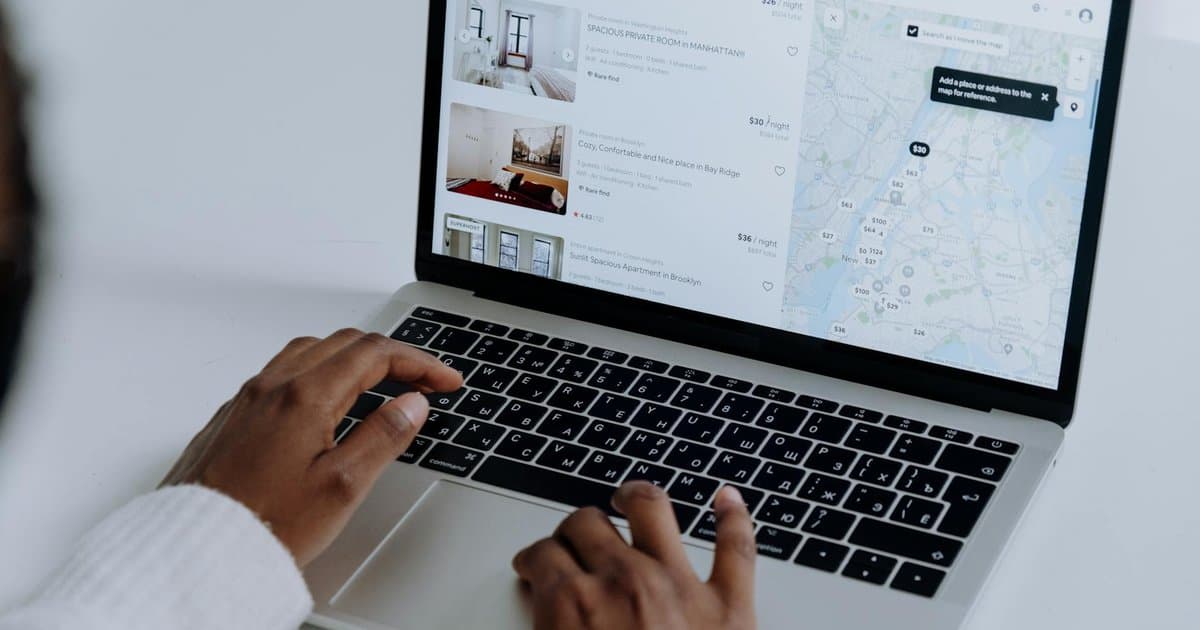
The third-party booking model exists because hotels need to fill empty rooms and the platforms move enormous volume. In exchange for the volume, the platforms negotiate aggressive rates that the hotel cannot publish on its own website. The platforms charge the hotel between 15 and 25 percent commission per booking. The hotel makes less per room than it would on a direct booking, but the booking still beats an empty room. For the traveler, the result is that the rate looks like a deal compared to the hotel's published direct rate. What is not obvious is that the platform-negotiated rate is usually not the best rate the hotel will offer if you ask for it directly.
The math is straightforward once you see it. A hotel posts a rate of $189 per night on its own website. Expedia shows the same hotel at $169 per night. The traveler books through Expedia thinking they saved $20. The hotel paid Expedia a $40 commission. The hotel would have happily given the traveler a $159 rate if asked directly, particularly for a multi-night stay or a flexible date. Calling the hotel and asking for the best available rate, or asking the hotel to match the third-party rate as a direct booking, succeeds about 60 to 70 percent of the time at independent properties and about 30 to 40 percent at chain hotels. The traveler keeps loyalty earnings on the booking either way.
The loyalty earnings matter even for travelers who do not stay in hotels constantly. Marriott Bonvoy Silver status, which requires ten qualifying nights per year, includes priority late checkout and bonus points. Gold status at fifteen nights adds room upgrades when available and free welcome amenities. Hilton Honors Silver at four nights and Gold at twenty nights include free breakfast at most properties, which is worth $20 to $40 per day for a couple. Travelers who book through third parties earn none of this. A family that takes one week-long trip per year, plus a couple of weekend stays, can hit Hilton Gold by booking direct and skip every breakfast bill for the rest of the year.
The exception worth knowing about is package bookings. Costco Travel, AAA, and a small number of agencies negotiate direct relationships with hotels where the booking does count toward loyalty and earns points. American Express Fine Hotels and Resorts, available to Platinum cardholders, includes loyalty credit and adds benefits like room upgrades, $100 property credit, and free breakfast even on rates competitive with third parties. For travelers who do book through aggregators occasionally, the platform-direct comparison is worth running every time. The difference is often $5 to $15 per night plus several hundred points of loyalty earning that compound across years.
Independent hotels and boutique properties operate by slightly different math. Many smaller properties either do not pay commissions to the large platforms or pay much higher rates per booking. Calling these properties directly, particularly mid-week or off-season, often produces a rate 10 to 25 percent below the lowest online price. Owners and managers at smaller hotels have authority to discount, comp, or upgrade in ways that corporate systems do not. The same call to a Marriott Courtyard gets transferred to a central line with no discretion. The conversation is worth having.
The other reason to book direct is service. When something goes wrong on the trip, the hotel can rebook, refund, or relocate guests who booked directly. Guests who booked through Expedia have to call Expedia, which then has to call the hotel, which then has to coordinate back through Expedia. The process can take hours during a flight cancellation, storm, or overbooking situation. Direct guests get handled in five minutes. The frustration tax of third-party bookings shows up exactly when the traveler is least equipped to absorb it.
For Nashville travelers planning summer trips, the playbook is simple. Use Google Hotels or Kayak to compare rates and find the hotel. Open the hotel's own site to confirm the direct rate. Call the property and ask for the best rate, mentioning loyalty status and the third-party rate you found. Decide based on the total picture, including points, benefits, and refund terms. Booking direct usually beats the discount the aggregator advertised. The tradeoff is two minutes and one phone call.