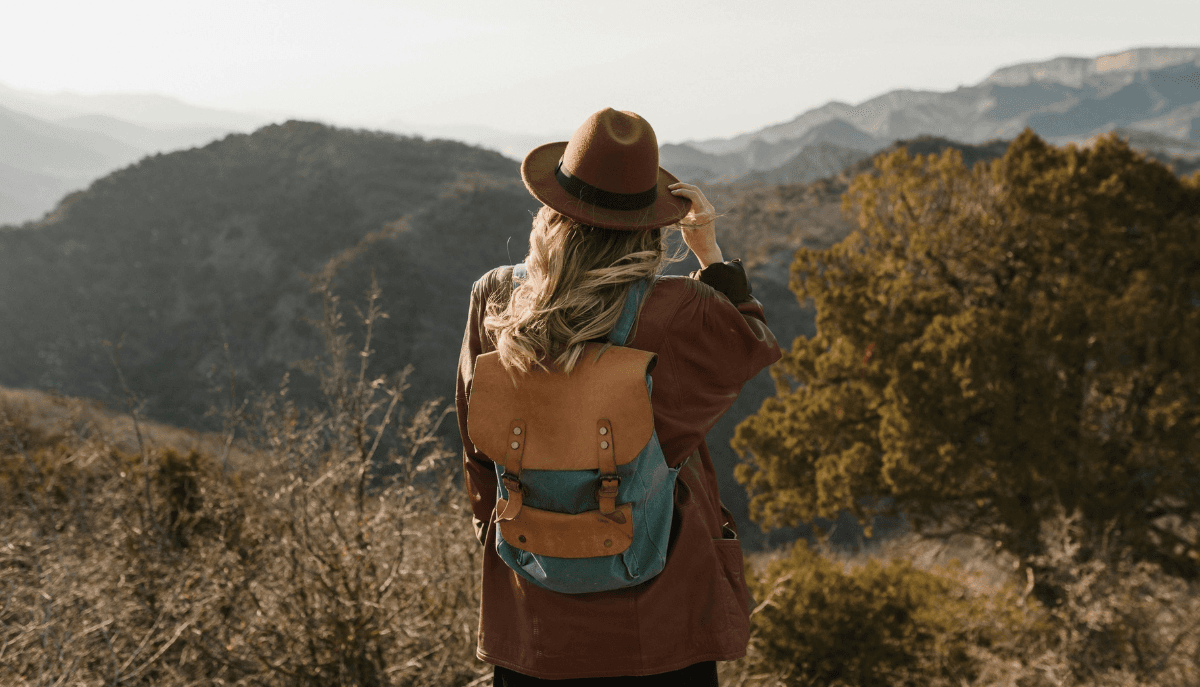
Google searches for "solo travel" hit an all-time high in the spring of 2026, and "women solo travel" reached a 15-year high in the same data window. At the same moment, searches for "travel groups" and "tour groups" also climbed to record levels. Those two trends are not contradictory. They describe a population that wants the independence and self-directed quality of traveling alone alongside the option for structured connection with people who share the same inclination. Solo travel in 2026 is not about being alone. It is about not having to negotiate every decision, budget, and itinerary with a partner or group.
The destinations trending in the summer 2026 data reveal something about where the culture is. St. Maarten, Palma de Mallorca, and Mexico City lead the international searches through Google Flights. Domestically, Asheville and Missoula represent the scenic, outdoor-oriented end of the market, while cities with strong food and arts scenes are maintaining their draw. But the category getting the most attention from trend researchers is the coolcation, a term that has moved from travel media into general use quickly enough that it now appears in major booking platform reports without quotation marks.
The coolcation logic is straightforward. Summer heat in traditional Mediterranean and Southern European destinations has become genuinely disruptive to travel quality in recent years, and the July-August temperatures in places like Rome, Barcelona, and Athens now regularly hit levels that make afternoon activity essentially untenable for most visitors. The alternative destinations that have benefited from this are the ones with natural cooling through altitude, latitude, or coastal conditions: Norway, Slovenia, Austria, Switzerland, Ireland, and Germany in Europe, Alaska and the Pacific Northwest domestically. These are destinations that pair comfortable temperatures with cultural and visual richness that competes easily with the traditional summer hotspots.
Slow travel is having its biggest moment in the data. "Slow travel" as a search term hit an all-time high earlier this spring, and "slow travel Italy" specifically is up 100 percent in the past month. The slow travel model, where you base in one location for an extended stay rather than covering multiple cities in a compressed itinerary, addresses several problems the traditional tourist schedule creates. It costs less when you factor in nightly accommodation savings from weekly or monthly rates versus nightly hotel pricing. It produces less physical exhaustion from constant movement. And it allows the kind of neighborhood-level experience that most rushed itineraries cannot access, where you find the coffee shop that the locals actually use and the evening rhythm of a place rather than the curated tourist surface of it.
The economics of summer 2026 travel have created a specific opening for travelers who are flexible on timing. American Express Travel data shows that summer weeks before Memorial Day and in the shoulder window of early September are showing significant fare and accommodation advantages over peak July weeks. The strong dollar has given American travelers more purchasing power in European markets where local currencies have weakened against the dollar over the past eighteen months. Car rental prices in several major European markets are running 20 to 30 percent below their 2025 peaks as supply chains for rental fleets have normalized after the post-pandemic shortage years.
For Black travelers specifically, the 2026 travel market has continued to expand in terms of both community resources and destination access. The Black travel industry, which has grown from a niche advisory community into a mainstream travel sector with dedicated publications, booking platforms, and tour operators, reports that its most popular destinations for summer 2026 include Accra and Cape Coast in Ghana, Cartagena in Colombia, and Lisbon in Portugal, alongside the continued strong interest in Caribbean destinations like Barbados and Trinidad. The combination of cultural connection and favorable economics is driving longer and more frequent international trips from Black travelers at every income level.
Solo travel, coolcations, and slow travel all represent responses to the same underlying shift in what travelers are optimizing for. The previous era of travel, built around maximizing the number of places you could say you had been, produced a particular kind of Instagram-documented tourism that many people have clearly grown out of. The current appetite is for depth, comfort, and experience that actually integrates into the texture of your life rather than just providing documentation that you went somewhere. That is a better way to travel, and the data suggesting that more people are moving toward it in 2026 is one of the more encouraging trends the summer season has to offer.