Ads for VPNs are everywhere, and they promise a lot. They show a hacker in a hoodie, a padlock snapping shut, and a message that you are finally private online. Millions of people pay for that promise every month. The trouble is that the promise is oversold, and the gap between the pitch and the reality can leave you exposed. A VPN is a useful tool for a few specific jobs. It is not the cloak of invisibility the marketing suggests.
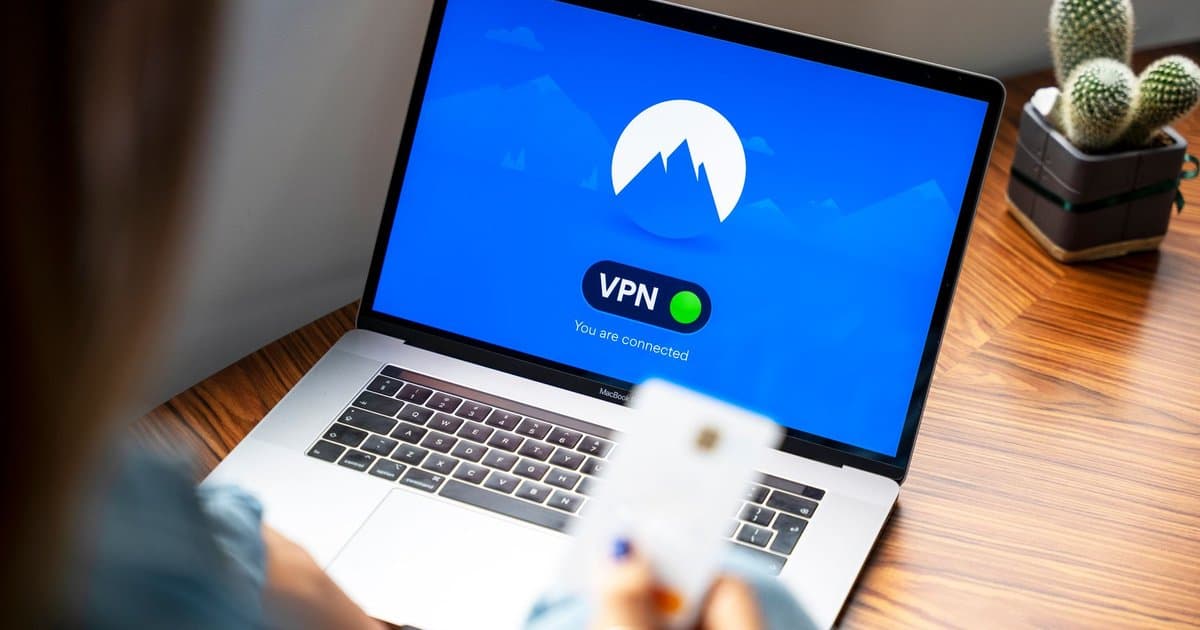
Start with what a VPN really does, because the core idea is simple. It builds an encrypted tunnel between your device and a server run by the VPN company. Your internet traffic travels through that tunnel, so anyone watching your local network sees scrambled data instead of your activity. Websites you visit see the VPN server's address instead of your real one. To the outside world, your traffic looks like it starts from the server, maybe in another city or country. That is the whole trick, and for certain uses it is genuinely helpful.
A VPN mainly hides you from two groups. The first is anyone sharing your local network, like other people on public coffee shop wifi. The second is your internet provider, which can normally see the sites you connect to. With a VPN running, your provider sees that you reached a VPN server and not much else. That can matter if you do not want your provider building a profile of your browsing. It also helps you reach content that is blocked in one place but allowed in another. Those are real benefits, and they are worth something.
Now the part the ads skip. A VPN does not make you anonymous. The company running the VPN can see your traffic, since the tunnel ends at their server. If they keep logs, your activity sits on their machines, and a free VPN often pays its bills by selling exactly that data. Websites can still identify you the moment you log in to any account. They can also track you through cookies and browser fingerprints that have nothing to do with your address. The mask covers less than people assume.
The oldest selling point is safety on public wifi, and it is weaker than it used to be. Years ago, a lot of websites sent data in plain text, so a snoop on the same network could read it. Today almost every serious site uses a secure connection, which already encrypts the link between your device and the site. That padlock in the address bar means your bank login is scrambled with or without a VPN. The real risk on public wifi has shrunk to a small set of edge cases. A VPN adds a layer, but it is not the lifeline the ads imply.
It also helps to know the threats a VPN does nothing about. It will not stop malware from landing on your device if you download a bad file. It will not catch a phishing email or block a fake login page. It will not hide your identity from a search engine or a social network while you are signed in and using their services. It will not protect you if you hand your password to a scam site. Those problems need other tools, like strong passwords, two factor codes, and plain caution. No single app covers all of it.
If you decide a VPN fits your needs, the choice matters more than most people realize. A free VPN is rarely free, because your data often becomes the product. A provider that keeps detailed logs can undo the privacy you paid for. Look for a company with a clear no logging policy and a track record to back it up. Understand that you are moving your trust, not erasing it, from your internet provider to the VPN company. That trade is only worth it if the company actually deserves the trust.
So treat a VPN as one narrow tool, not a magic shield. It hides your traffic from your local network and your provider, and it can move your apparent location. It does not make you invisible, anonymous, or safe from every threat online. Match the tool to the job, and you will get real value without a false sense of security. Skip it thinking it does everything, and you may take risks you would otherwise avoid. The honest version is less exciting than the ad, but it is the one that actually protects you.