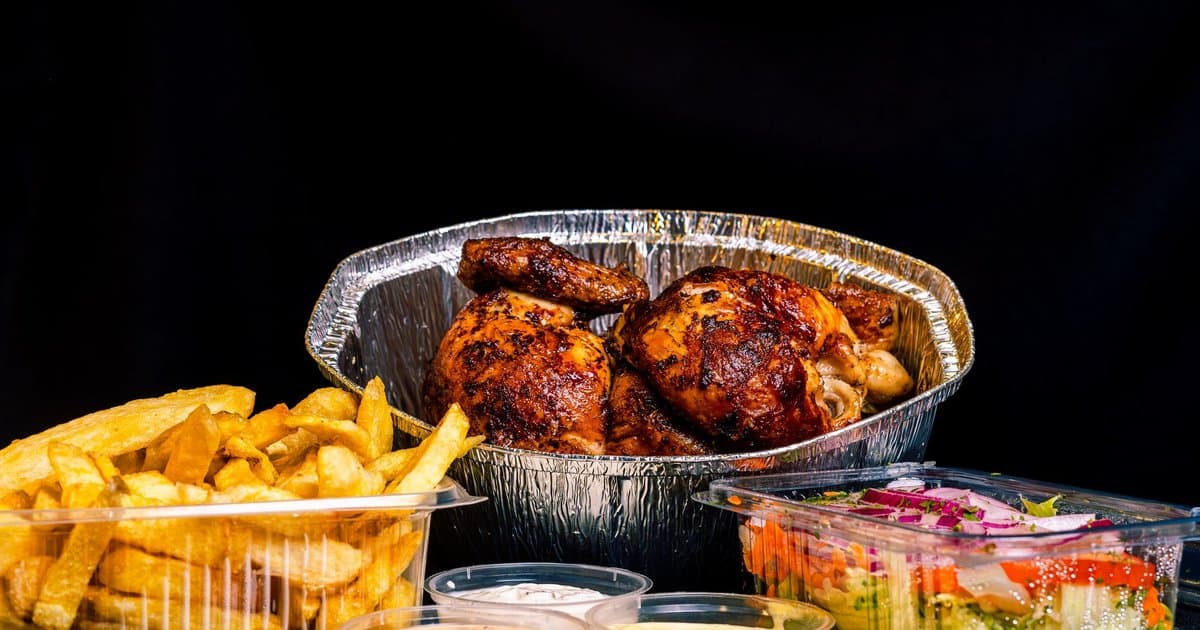
Walk into a warehouse club or big grocery store and you can find a whole cooked chicken for around five dollars. It is hot, seasoned, and ready to eat, and the price has barely moved in years. Raw chicken alone often costs more per pound than that finished bird does. Add the labor, the seasoning, the packaging, and the power to roast it, and the math looks impossible. Stores are not making money on that chicken at all. In many cases they are quietly losing money on every single one. And they are doing it on purpose.
This is a classic move called a loss leader. A store picks a popular item and prices it below cost to pull people through the doors. The chicken is not the profit at all. The chicken is simply the bait that gets you inside. Once you are in the building for that cheap bird, you rarely leave with only the bird. You grab milk, snacks, a case of water, maybe a shirt or a television. The store gladly loses a dollar on the chicken to earn ten on everything else in your cart.
Notice where the chicken actually lives inside the store. It is almost always at the very back, far from the entrance doors. That placement is no accident and no small detail. To reach the cheap chicken, you have to walk past aisles of full price temptation. By the time you get there and turn back around, your basket has company. The smell of the roasting birds is part of the pull too, drawing you deeper inside. Everything about the layout is designed to turn one cheap item into a full trip.
One big warehouse chain has turned its chicken into an outright legend. It has held the price at four dollars and ninety nine cents for well over a decade. During that time the cost of raw poultry rose and fell many times over. The company chose to eat the difference rather than raise the price by even a dime. Leaders have said plainly that the low price matters more than the margin on the item. They see the chicken as a promise to members, and a reason to keep coming back. Breaking that promise, in their eyes, would cost far more than the chicken does.
The numbers behind this are honestly staggering. That same chain sells well over one hundred million rotisserie chickens in a single year. Losing a little on each one adds up to real money across that kind of volume. So why on earth would any company keep doing it? Because the members those chickens draw in pay a yearly fee and fill enormous carts. The company earns much of its profit from those fees and that loyalty, not the products. The chicken is the hook that keeps the whole engine running smoothly.
To protect the famous price, the chain went to an unusual length. It built its own poultry operation, including a huge plant and farms, to raise the birds itself. Owning the supply chain lets the company control costs instead of paying whatever suppliers demand. That way it can hold the price steady even when the wider market swings hard. Most stores never go anywhere near that far to defend a single item. But it shows how seriously a company will treat a loss leader that drives the business. The chicken earned that level of investment.
Once you understand the trick, you start seeing it all over retail. Milk and eggs often sit at the back for the very same reason the chicken does. Stores sometimes sell game consoles at little or no profit, then earn it back on games. A cheap printer can quietly hide expensive ink cartridges down the line. Deep discounts on a few key items lure you in, and the rest of the trip makes up the loss. The cheap thing sitting in front is rarely where the real money is made. Retail runs on that quiet arithmetic.
So that five dollar chicken is one of the most calculated items in the store. It is priced to lose money, placed to make you walk, and scented to pull you inside. The company selling it is betting on your full cart and your return trip, not the bird. In the most famous case, a business even built farms to keep the promise alive. None of this is really a trick against you, when you think about it. It is simply the quiet logic of how stores actually make their money. Enjoy the chicken, and know what it is really doing.