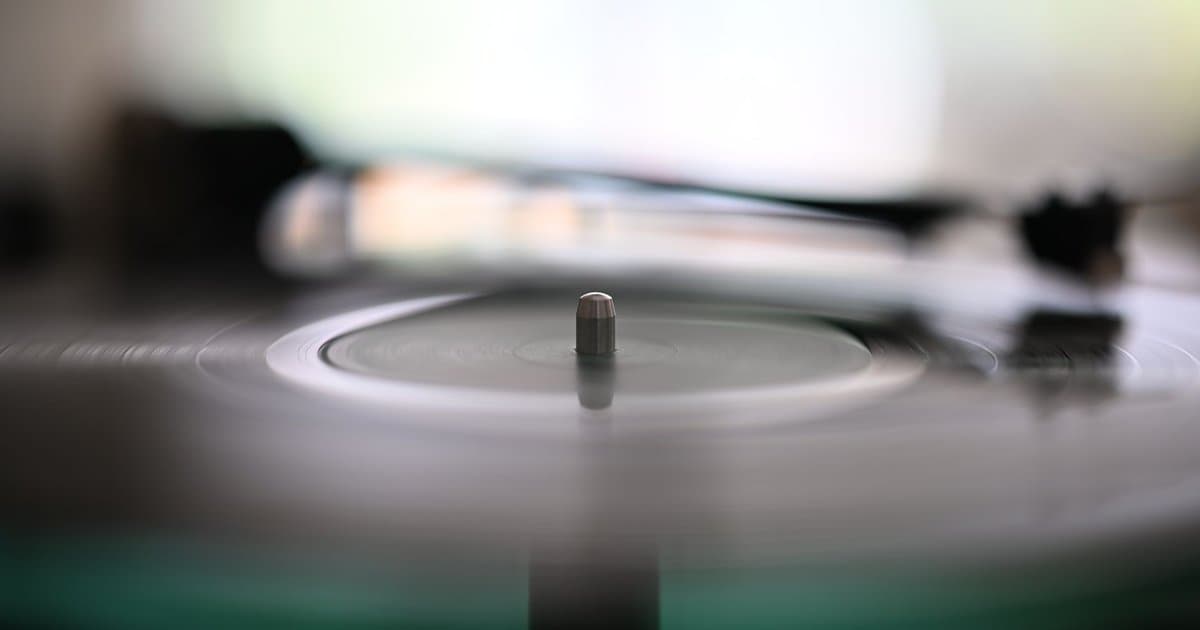
Vinyl is back in a big way, and with it has returned an old article of faith that records simply sound better than digital. People describe the sound as warmer, fuller, more alive, and they will tell you that something gets lost when music is reduced to a file. It is a lovely story, and the ritual of dropping a needle on a spinning record is genuinely wonderful. But the claim that vinyl is technically superior to digital does not hold up, and understanding why actually makes you appreciate both formats more honestly. What most listeners are hearing is real, but it is not what they think it is.
Start with the raw technical picture, because this is where the myth runs into trouble. Digital audio, done properly, can capture the full range of frequencies a human can hear and an enormous range between the quietest and loudest sounds, with no audible distortion. Vinyl, by contrast, is a physical groove being traced by a needle, and that mechanical process introduces real limitations. It struggles with deep bass, it loses fidelity toward the inner grooves of the record, it adds surface noise, and it physically wears down a little every single time you play it. By the cold numbers, a good digital file is more accurate to the original recording than a record could ever be.
So why does vinyl often sound better to people. The biggest reason has nothing to do with the format itself and everything to do with how the music was prepared for it. Modern digital releases, especially pop and rock, are frequently mastered extremely loud, with the quiet and loud parts squashed close together to make the track jump out on the radio and on streaming. This practice, often called the loudness war, makes music fatiguing and flat. Records cannot physically tolerate that treatment, so vinyl versions are usually given a gentler master with more breathing room. The warmth people praise is largely that better master, not the groove.
There is also the pleasant coloration that vinyl adds, and this is where the word warmth really comes from. The format introduces subtle distortion and a slight softening of the highs, plus that faint background texture, and our ears often find this flattering. It is not more accurate, but accuracy is not the same as enjoyable. A little distortion can make a recording feel cozy and rounded in a way a perfectly clean signal does not. So when someone says vinyl sounds warmer, they are usually right about the experience and wrong about the cause. They are hearing pleasing imperfection, not superior fidelity.
Then there is the part nobody likes to admit, which is that a lot of what we hear is shaped by what we expect. Researchers have shown again and again that the same audio can be rated as better or worse depending on what listeners are told about it. When you have carefully cleaned a record, lowered the needle, and settled in to listen, you are primed to pay attention and to hear richness. That focused, ritualized listening is a real difference, but it lives in your attention, not in the grooves. Play the same album as background noise from a cheap file and of course it sounds worse, because you were barely listening.
None of this is an argument against vinyl. There are wonderful reasons to love records that have nothing to do with technical fidelity. The large artwork, the physical object you can hold, the deliberate act of choosing an album and sitting with it from start to finish, the connection to the history of the music, all of that is genuine and valuable. Vinyl encourages a kind of attention that streaming actively discourages, and that attention is probably the single biggest reason records feel more meaningful. The format rewards you for slowing down, and slowing down is most of the magic.
So the honest position is this. If you want the most accurate reproduction of a recording, digital wins, and it is not particularly close. If you want a warmer, softer character and a listening ritual that pulls you into the music, vinyl delivers something real that files do not. Both things can be true at once. The mistake is dressing up a preference for coloration and ritual as a claim about technical superiority, because that claim falls apart the moment you look at how the sound is actually made. Love your records for what they genuinely give you. Just know that the warmth you cherish is a feature of the imperfection, not proof that the format is better.