Most students made the switch years ago and never looked back. Laptops are faster, neater, and easier to search, so typing notes feels like the obvious upgrade over a pen and paper. The problem is that the brain does not reward speed and neatness the way we assume that it does. A growing body of research shows that students who type their notes remember less of the material than students who write by hand. The gap is not small, and it shows up most on the questions that matter the most, the ones that ask you to explain rather than repeat. The convenient choice quietly costs you the very thing you came for.
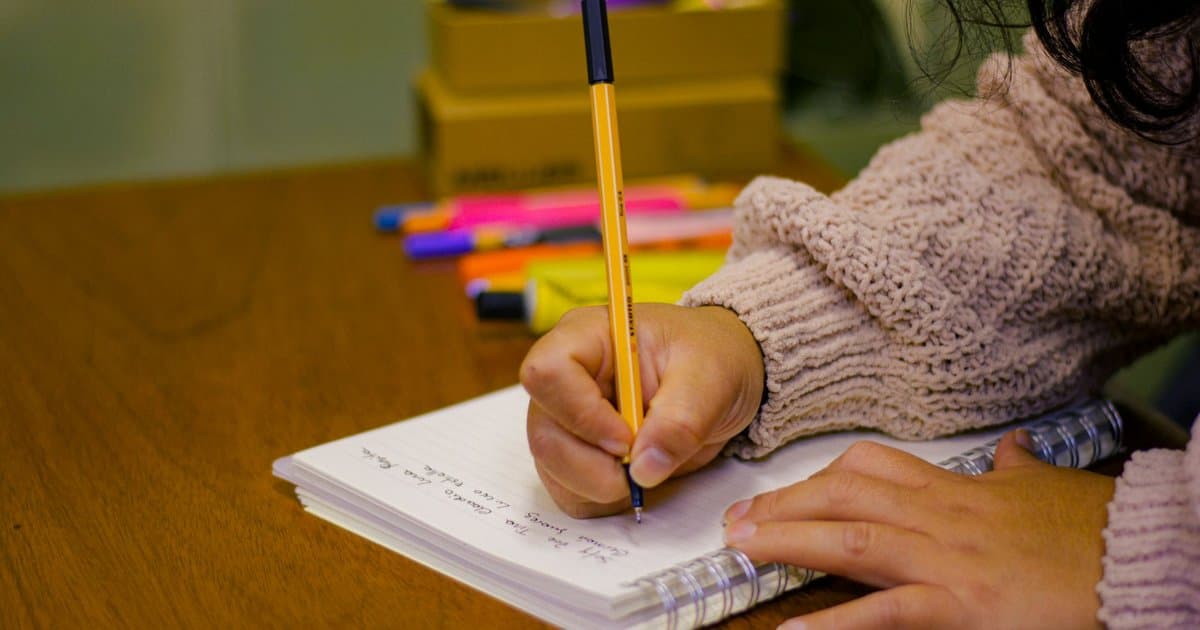
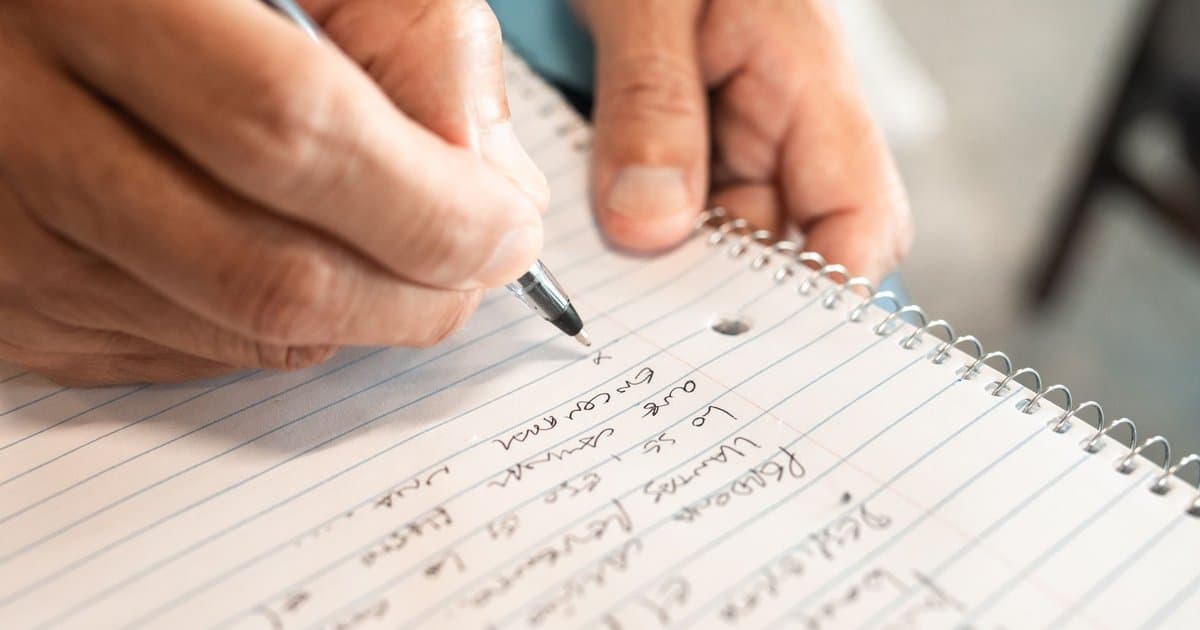
The reason comes down to what your hand forces your brain to do during the lecture. Typing is fast enough to capture a talk almost word for word, so many students quietly become transcribers. They write down everything that is said and process almost none of it in real time. Handwriting is slower, which sounds like a weakness but is actually the entire point of it. Because you cannot get every word, you are forced to listen, decide what matters, and put it in your own words. That act of summarizing on the fly is where the learning happens, long before you ever review the page again.
This shows up clearly in how the two groups perform later on a test. On simple factual recall, typists and writers often score about the same, because facts can be parroted from a transcript. On conceptual questions, the ones that ask why or how something works, handwriters pull ahead consistently. They understood the material as they wrote it, so they can work with it instead of just recognizing it on a page. The student who typed has a perfect transcript and a shaky grasp of the ideas. The student who wrote has a messier page and a noticeably stronger mind.
There is a second cost to the laptop that has nothing to do with note quality. A screen is a doorway to everything else in your life at once. A message, an open tab, a quick check that turns into ten minutes, and the lecture keeps moving forward without you. Studies of laptop use in class find that the distraction spreads, because even students seated near a screen lose focus. Paper has no notifications and no second tab waiting in the background. Its single purpose is the one thing you are supposed to be doing, which becomes a quiet advantage that compounds over a whole semester.
This does not mean every screen is the enemy or that handwriting magically fixes everything. Some students have real reasons to type, and the method matters less than the genuine effort behind it. The fix for a committed typist is to stop transcribing and start summarizing, even if it means writing far less than you hear. You can also close every tab but one and turn off every alert during class time. The goal is to make the easy tool work harder for you, since the danger of typing is that it lets you coast while still feeling busy and productive.
The same principle reaches well beyond the classroom and into working life. Anyone learning a new skill at work faces the same fork between capturing and processing information. Recording a meeting word for word feels thorough, but it often means you understood none of it in the moment it happened. Writing a few honest lines about what a meeting actually decided will serve you better than a flawless transcript you never reread. Effort that feels a little harder in the moment tends to be the effort that genuinely sticks. The brain rewards the work it has to do, not the work a machine quietly does for it.
There is one more practical habit worth adding to handwriting. Review your notes within a day, while the lecture is still fresh in your mind. A quick pass the same evening catches the gaps your tired hand left behind during class. Waiting a week means rereading notes that no longer make much sense to you. The pairing of writing by hand and reviewing soon after is far stronger than either move alone. Small and steady wins the long game here, not one heroic session the night before the exam.
The stakes here are simple, and they add up slowly without anyone noticing. A few percent of lost recall on every lecture becomes a letter grade over a term, and a weaker grasp of concepts follows you into the next course that builds on it. Notes are not a record you file away and forget about. They are the act of thinking itself, and how you take them decides how much of it you keep. If your recall has been sliding while your notes look perfect, the neat screen may be the reason for it. Pick up a pen for a single week and watch closely what changes.