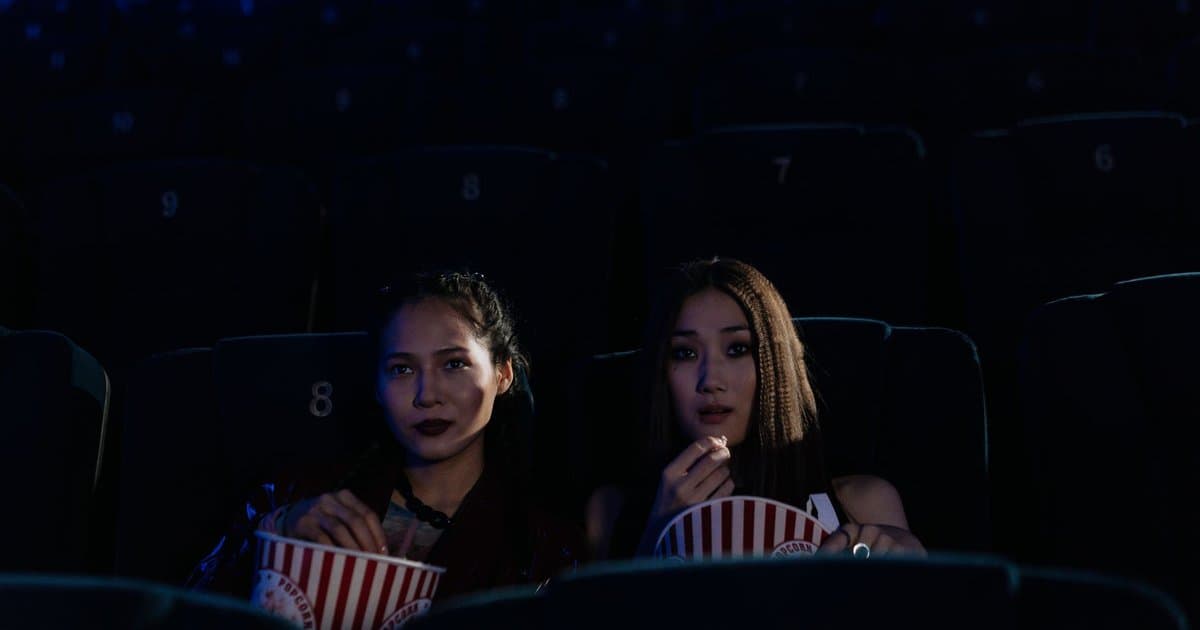
Most people walk up to the concession stand, see a small popcorn priced like a sit down meal, and decide the theater is just gouging them. The real story is stranger than that, and once you know it the whole night looks different. When a big movie opens, the studio that made it takes most of the ticket money, and during the first week it can take almost all of it. The theater keeps very little of what you handed over at the door. So the building showing you the film is barely covering its costs on the seats themselves. The popcorn stand is not a side hustle bolted onto the business. It is the part of the operation that actually keeps the lights on.
The deals between studios and theaters are private, but the shape of them is well understood inside the industry. For a major release, a studio can demand a large share of the box office, and that share is highest on opening weekend when demand is strongest. As the weeks pass, the split slowly shifts and the theater gets to keep more. This is the quiet reason a chain would rather you come on week three than opening night, even though every billboard pushes you to show up on day one. The theater is stuck in the middle of this arrangement. It pays for the screen, the staff, the cleaning crew, the projector, and the power bill, yet it sees only a thin slice of the ticket. That gap has to be closed somewhere, and the lobby is exactly where the closing happens.
A bag of popcorn costs the theater almost nothing to produce. Corn kernels are cheap, oil is cheap, and a large drink is mostly ice and syrup over a paper cup. The markup looks absurd until you understand what that markup is really paying for. Concession profit is one of the only revenue streams the theater controls from start to finish, because no studio takes a cut of your soda or your candy. Those fat margins quietly cover the part of the ticket that the studio already walked away with. When you buy the combo, you are subsidizing the very seat you are sitting in. The price is high not because the food is special, but because it is doing two jobs at once.
None of this means you have to buy the popcorn, and plenty of regulars walk right past the counter without a second thought. But it does change how you should read the whole experience instead of treating the place like a villain. The theater is not your enemy plotting to squeeze ten extra dollars out of you for sport. It is a business running on a model that hands most of the ticket to someone else before the doors even open. This is also a big reason streaming hurt theaters so badly when it arrived. When fewer people show up, lobby sales fall, and the lobby was the thing holding the entire building upright. Take away the crowd and you take away the only margin the theater fully owns.
So the chains have spent years trying to rebuild the part of the night they actually keep. That is why so many locations added wide recliners, full kitchens, table service, and bars over the last decade. They are not chasing luxury for its own sake, they are chasing the slice of your money that does not get shipped off to a studio. Reserved seating, loyalty apps, and premium screens all push in the same direction, nudging you toward the spending that stays in the building. It is a smart response to a math problem most customers never see. The next time the popcorn line feels insulting, you will at least know who set that price and why it had to be that way. The cost is real, but the reason behind it is not the simple greed everyone assumes.