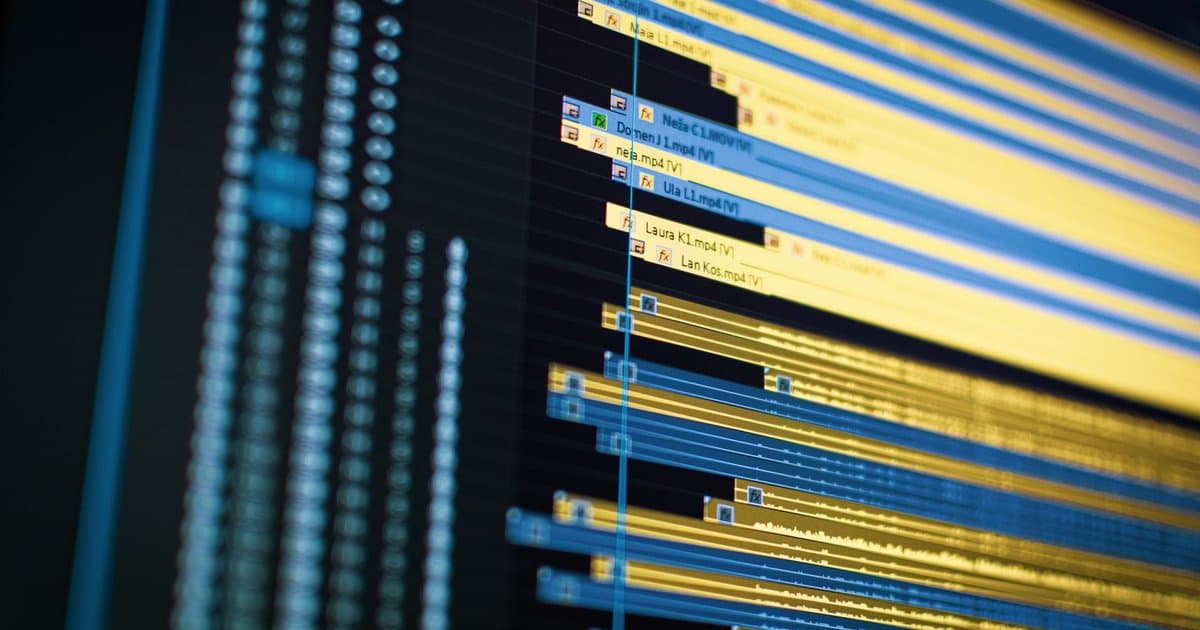
Most people watch a clean sixty second video and assume it took about an hour to make. They see one person talking, a few cuts, maybe some music underneath, and the math feels simple in their head. The truth runs in the opposite direction. A single minute of finished video can quietly eat six to ten hours of work before it ever reaches a screen. That gap between what a viewer feels and what actually happened is the part almost nobody talks about. Once you understand it, you stop judging your own pace so harshly and you start pricing the work honestly.
The shoot itself is almost never where the time goes. Before a camera ever turns on, someone has to decide what the video is for, who it speaks to, and what the one message needs to be. That planning looks like nothing on a timeline, but it quietly decides whether the footage is usable later. Then comes the location, the light, and the sound, plus the small ongoing fight to keep all three steady at the same time. A room that looks fine to the naked eye often sounds terrible through a microphone, and fixing that takes real minutes you did not plan for. By the time the first genuinely usable take exists, an hour or more has already slipped past.
On set, good work means doing things twice that you only hope to use once. You record the same line from two angles so the edit has somewhere clean to cut. You capture extra footage of hands, faces, and the room because the story needs room to breathe. You check focus and audio after almost every take, because one soft shot or one bad clip of sound can sink the entire piece. None of this looks glamorous and none of it shows up in the final cut. The viewer sees a smooth sixty seconds and never knows that twenty minutes of raw material got trimmed away to build it. That trimming is not waste at all, it is the actual cost of looking effortless.
Editing is the part that quietly doubles the day. You sort through every take, throw out the weak ones, and assemble a rough version that runs long and clumsy. Then you cut it down, fix the pacing, balance the audio, and color the image so it does not look flat and gray. Captions take far longer than anyone expects, because accuracy matters and timing matters even more than that. Music has to sit underneath the voice without drowning it, which means riding the levels by hand instead of dropping a track and walking away. Then you export, review, find one small mistake, fix it, and export again while the clock keeps moving. This is the stretch where most of those hidden hours actually disappear.
Here is the part that feels backward to people. The more time you put into a piece, the less the audience is supposed to notice any of it. Effort that shows up plainly on screen usually means something went wrong somewhere upstream. The goal is for a viewer to watch the whole minute, feel something real, and never once think about the labor behind it. That is exactly why polished content feels so deceptively easy to copy and so genuinely hard to match. People try to skip the planning and skip the cleanup, then wonder why their own version looks rushed and thin. The time was never optional, it was the difference all along.
Knowing the real number protects you in two specific ways. It keeps you from feeling slow when a short clip eats a full afternoon, because that pace is normal and not a personal failure. It also keeps you from underpricing your work, since a one minute deliverable is almost never one hour of actual effort. If you make content yourself, track your true hours just once and let that honest number settle into your gut. If you hire someone to make it for you, respect that the invisible time is precisely where the quality lives. The sixty seconds you see is only the small visible tip of a much larger and slower effort. Once you accept that, you stop being shocked by the clock and start planning your days around the truth.