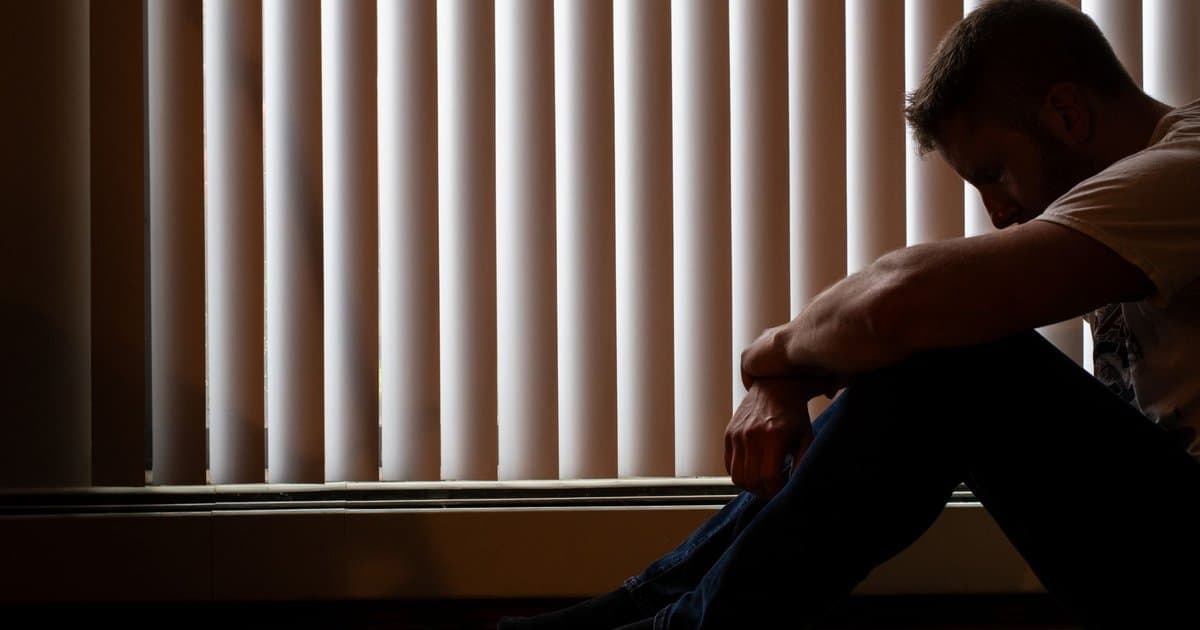
You take a full day off, do nothing demanding, and somehow end the day feeling more tired than when you started. It seems backward, and most people quietly blame themselves for it. They decide they are lazy, or that they wasted the day, or that something is wrong with them because rest did not work the way it was supposed to. The truth is that the day did not fail you. It probably was not actually rest, at least not the kind your mind and body needed, and understanding the difference changes how you spend your time off entirely. What feels like exhaustion after a free day is usually a signal that you rested the wrong thing.
Start with what most people do on a day off. They sleep in, then scroll their phones, watch hours of shows, and graze through low effort entertainment for most of the day. This feels relaxing in the moment because it asks nothing of you, but it does not restore you, and in many cases it drains you further. A steady stream of feeds, notifications, and back to back videos keeps your brain in a low level state of stimulation without any real recovery. You end up understimulated and overstimulated at the same time, which leaves you foggy and flat rather than refreshed. The screen feels like rest, but your nervous system experiences it as more input to process.
There is also a guilt tax that runs in the background all day. Plenty of people cannot fully relax on time off because part of their mind keeps circling back to everything they should be doing. The laundry, the emails, the project, the calls they are avoiding. This is not real rest, it is rest with the engine still running, and the constant low hum of guilt is genuinely tiring. You can spend eight hours on the couch and still feel like you worked, because mentally you never actually clocked out. The body was still, but the mind was negotiating with a to do list the entire time, and that negotiation costs energy.
The deeper issue is that rest is not one thing. There is physical rest, but there is also mental rest, emotional rest, and the kind of rest that comes from doing something meaningful rather than nothing at all. A day spent passively often skips the types of rest you actually needed. If your week drained you emotionally, sitting alone scrolling will not refill that tank, but a real conversation with someone you trust might. If your week was mentally crowded, more input is the opposite of recovery, while a walk with no phone gives your mind room to settle. People reach for the easiest form of downtime and then wonder why a deficit in a completely different area never got addressed.
The fix is to rest on purpose instead of by default. Before a day off, ask what actually drained you during the week, and aim your time at refilling that specific tank. If you are physically wrecked, prioritize real sleep and gentle movement. If you are mentally fried, protect blocks of quiet with no screens and no decisions. If you are socially depleted or, just as common, socially overloaded, plan your day around the right amount of connection rather than letting it happen by accident. Meaningful activity counts as rest too, which is why a day spent on a hobby or a project you care about can leave you more energized than a day spent doing nothing. The goal is restoration, not just the absence of work.
So the next time a day off leaves you drained, resist the urge to call yourself lazy. That conclusion is both wrong and unkind, and it does nothing to fix the pattern. Look instead at how you spent the time and ask whether you rested the part of you that was actually tired. Most people are not failing at rest because they need more of it. They are tired because they keep reaching for the easiest version of it and skipping the kind that would have worked. Try planning one real thing into your next day off, something restorative that you actually look forward to, instead of leaving the whole day to drift. Notice how you feel at the end of different kinds of days, because that feedback teaches you what genuinely refills you and what only numbs you. Be patient with yourself as you learn this, since most of us were never taught that rest takes any intention at all. Rest is a skill, it can be aimed, and once you start aiming it you stop ending your free days more exhausted than you began them.