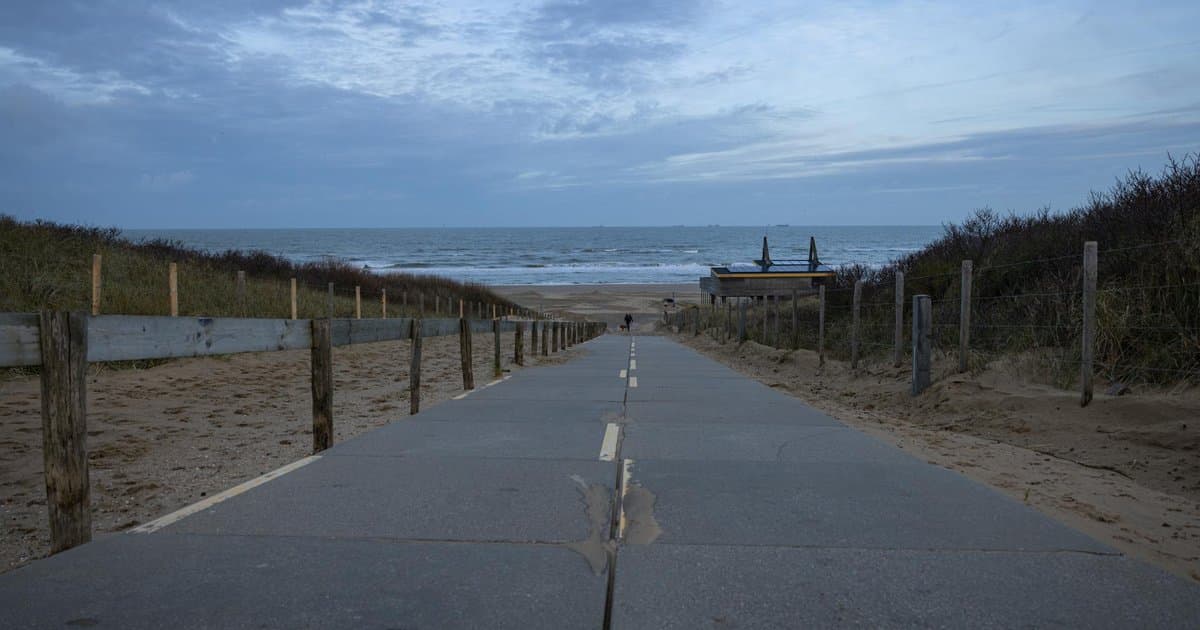
Most travelers split the calendar into two settings. There is peak season, when everyone goes and prices climb, and the off-season, when deals appear but the weather and the mood often turn grim. The smartest trips usually land in the gap between them, a stretch travelers call shoulder season. These are the weeks just before and just after the rush, when a place still has good weather but the crowds have thinned. People who travel often plan around these windows on purpose. Once you understand why, it is hard to go back to booking at the worst possible time. The phrase sounds like industry jargon, but the idea is simple once you see it. It is the narrow band where the good parts of peak overlap with the perks of the quiet months.
The first reason is money, and the savings are not small. Flights and hotels price themselves on demand, so the same room that costs a fortune in July can drop sharply a few weeks on either side. Airlines quietly discount seats to fill planes once the rush fades. Hotels do the same, and many will throw in upgrades or free nights to keep rooms occupied. The money you save on the boring parts, the bed and the flight, is money you can spend on the experiences that actually matter. A shoulder season trip often costs a third less for a nearly identical week.
The second reason is space, and it changes the whole feel of a trip. Famous sites that swallow you in a sea of people at peak become walkable and calm a few weeks later. You wait less for tables, tickets, and trains, and you actually see the thing you came to see instead of the back of someone's head. Photos come out cleaner without a crowd in every frame. Guides and staff have more time to talk because they are not slammed. The difference between a packed plaza and a quiet one is the difference between enduring a place and enjoying it. A landmark you can actually approach beats a famous one you only glimpse over a crowd. Space changes not just your photos but your whole memory of the trip.
The third reason surprises people, which is that the weather is often better, not worse. Peak season is not always the nicest time to visit, it is just the most popular, often tied to school breaks rather than the climate. Many destinations are uncomfortably hot at their peak, and the shoulder months bring milder, easier days. Spring and fall in much of the world give you warm afternoons without the brutal heat or the heavy crowds of summer. You trade a small chance of an off day for a much higher chance of comfortable ones. That is a trade most travelers would happily take if they thought about it.
There is a softer benefit too, which is that places feel more like themselves. When a town is not drowning in visitors, locals are more relaxed and more willing to chat, and daily life goes on around you instead of being staged for tourists. Restaurants are easier to book, and the staff are not running on fumes from a brutal high season. The one catch is to check the calendar before you commit. The deep off-season can mean closed attractions, reduced hours, or weather that genuinely does not cooperate, so you want the shoulder, not the dead zone. A little research keeps you on the right side of that line. A quick search for a destination's quietest open months usually points you straight to the sweet spot.
Finding the shoulder window for a given place takes only a few minutes. Look up when the local peak runs, then aim for the four to six weeks on either side of it. For much of Europe, late spring and early fall hit the sweet spot, while many beach towns reward the weeks just before or after summer. Avoid local holidays and big festivals unless that is the point of the trip, since those spike prices and crowds on their own. Book midweek when you can, because flights and hotels often dip between Monday and Thursday. A few minutes of planning is all it takes to find the right window.
Get the timing right and the math works in your favor on every front. You pay less for the flight and the room, you wait in fewer lines, and you see the place in better weather than the crowd that came at peak. You also meet a version of the destination that the high season hides, calmer and more genuine. The trade is small, just a slightly higher chance of an off day or a closed shop. For most trips, that is a price well worth paying. That is the whole case for traveling on the shoulder.