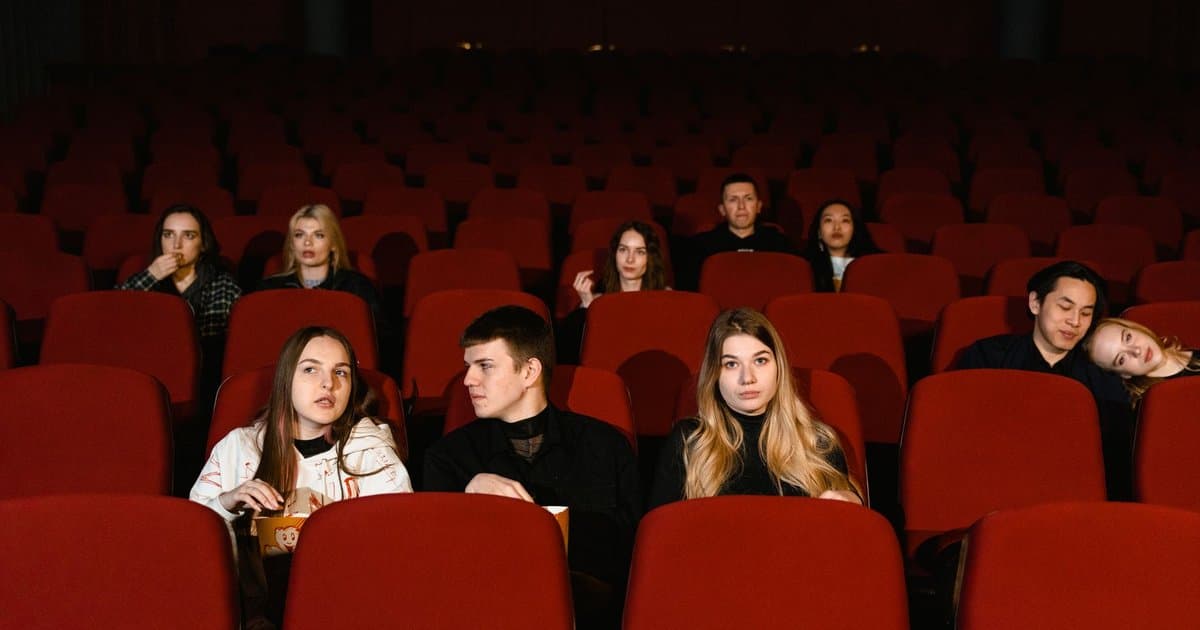
Twelve dollars for a bucket of popcorn feels like a small robbery. The soda costs about the same, and a candy box that runs a dollar at the drugstore somehow triples at the counter. It is easy to write the whole thing off as plain greed. The truth is stranger and a lot more interesting than that. Movie theaters are not gouging you at the snack bar because they are cruel. They are doing it because the ticket you just bought barely pays them at all.
When a big film opens, the studio that made it takes the large majority of every ticket dollar. In the opening weeks, the split can leave the theater with only a thin slice, sometimes close to nothing on the biggest releases. The share shifts over time, so the longer a movie stays on the screen, the more of each ticket the theater gets to keep. The problem is that most people rush to see a film in its first week or two. That is exactly when the studio's cut sits at its highest point. So the theater packs the house and still walks away with very little of the ticket money. The crowd you see lined up on opening night is mostly filling the studio's pockets, not the theater's.
Concessions are where the math flips completely. On popcorn, soda, and candy, the theater keeps nearly everything it charges. Popcorn in particular is one of the highest-margin products in all of retail. A large tub might hold a few cents of corn, oil, and salt, then sell for ten dollars or more. That markup is not an accident, and it is not simple filler. It is the actual business the theater is running underneath the movie. Strip away the concession stand and most theaters would not survive a single quarter.
Once you see it that way, the whole building starts to make sense. The lobby is designed to funnel you straight past the concession stand on the way to the screens. The sizes run large, the combo deals nudge you toward more, and the price gap between a medium and a large is kept small on purpose to push you up. Refill offers keep you walking back to the counter through the show. None of this is random decoration. The theater is quietly steering you toward the one part of the visit that actually feeds its bottom line. Even the smell of fresh popcorn drifting through the lobby is doing a job, pulling you toward the counter before the show.
The ticket itself is not the whole story either. Theaters lean on a handful of other streams just to stay open. Those ads that play before the trailers bring in real money every single show. Premium formats with bigger screens and louder sound carry higher prices and better margins. Reserved recliner seating, gift cards, and loyalty memberships all help fill the gap that the studio split leaves behind. Add it up and the ticket looks closer to a cost of doing business than a real source of profit. The seat gets you in the door, and everything around it is where the money quietly gets made.
This model has been under heavy pressure for years now. Streaming pulled some people off the couch and then kept them right there. The window between a movie hitting theaters and hitting home has shrunk, which cuts into those later weeks when the theater finally keeps more of the ticket. That squeeze has made concessions and premium experiences even more important than they used to be. It is why the big chains poured money into recliners, full kitchens, and bars. If the ticket cannot carry the business, the popcorn and the experience have to do it. The whole industry has slowly rebuilt itself around the snack bar without ever announcing the change.
There is a reason theaters fight so hard to stop you from bringing your own snacks. It is not really about crumbs on the floor. Outside food goes straight at the one part of the operation that keeps the doors open. When a chain bans backpacks or posts a firm no-outside-food sign, it is protecting its real product. The movie up on the screen belongs to the studio that made it. The snack in your hand is the part that belongs to the theater. That difference is the entire reason the rules about outside food feel so strangely strict.
So the next time the popcorn price makes you wince, you can at least understand it. You are not really paying for corn at all. You are paying for the lights, the staff, the projector, and the seat you are sitting in, because the ticket did not cover much of that. It is a strange arrangement, and most people never stop to notice it. The show you came for is running on the snacks you did not plan to buy. That is the quiet deal sitting at the center of every trip to the movies. You walked in for the film and quietly funded the building that showed it to you.