The offer at the register is friendly and familiar. Sign up for the store card or download the app, and you unlock member prices, digital coupons, points, and maybe a few cents off per gallon of gas. The savings are genuine, and over a year they can add up to real money. So most people sign up without a second thought, because who says no to a lower bill. What almost no one stops to ask is why the store wants you in the program so badly. The answer is not generosity, and it is more interesting than any coupon.
The real product a loyalty program delivers to the store is not your discount. It is your data. The moment your purchases are tied to a card, a phone number, or an app login, the store stops seeing anonymous sales and starts seeing you. Every scan becomes a line in a detailed profile built around your household. Over time that profile knows what you buy, which brands you prefer, how often you come in, and how big a sale has to be before you bite. That picture is worth far more to the company than the pennies it hands back to you.
The depth of these profiles is easy to underestimate. Buying patterns quietly reveal the shape of your life. A sudden run of diapers and wipes signals a new baby in the house. A switch to low sodium and sugar free items can suggest a health change. Stocking up every other Friday hints at your pay schedule. Bulk buying, brand loyalty, and how you react to a price bump all get logged and modeled. None of it feels like sharing personal information, yet together it paints a portrait more honest than most people would ever volunteer on a form.
Once a store knows you that well, the discounts stop being random. The coupons you receive are calibrated to your own behavior, tuned to the exact nudge it takes to change what you do. If the data shows you already buy a product every week, you will not get a coupon for it, because you do not need one. If you have been drifting toward a competitor, expect a timely offer to pull you back. Two shoppers standing in the same aisle can effectively pay different prices for the same cart. The deal is personal in a way that serves the store first and you second.
This information does not just get used inside the store. It has become a business of its own. Large grocery chains run data and analytics arms that package insights about what shoppers buy and sell access to the brands that make those products. A cereal company or a soda maker will pay well to learn who is buying what, where, and in response to which promotions. Newer retail advertising networks take it further, letting brands target ads based on real purchase history. These operations have grown into high margin revenue lines that can rival the profit from selling the groceries themselves.
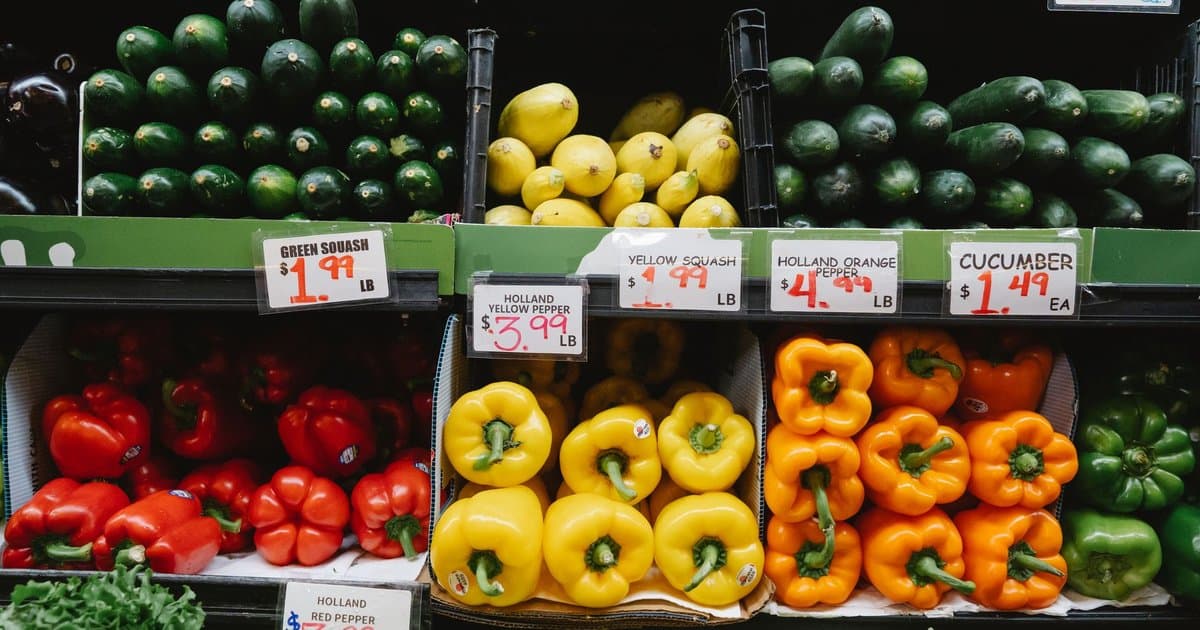
It helps to look at the pricing from the other direction. When you see a member price sitting next to a higher regular price, it is easy to read the lower number as a gift. Often the more accurate way to see it is that the higher shelf price is the penalty for staying out of the program. The gap exists to make opting out feel expensive, which pushes more people to hand over their data just to avoid it. That is not illegal, and it is disclosed somewhere in the fine print you agreed to. It is simply a design meant to move you where the store wants you to go.
Knowing all this does not mean you should tear up the card. It means you can use it on your own terms. Take the savings, since they are real, but treat the trade as a choice rather than a reflex. Where a store allows it, you can use a phone number at checkout instead of installing an app that asks for your location and your contacts. You can create a separate email for store accounts and keep app permissions to a minimum. Watch out for deals that only pay off if you buy four of something, because a discount that grows your total is working for the store, not for you.
The card is not a scam, and this is not a reason to feel foolish for using one. The point is to see the exchange clearly. You are not only a customer being rewarded for loyalty. You are a valuable source of data being paid in discounts, and that can be a perfectly fair deal once you understand both sides of it. Some people will happily trade their shopping history for lower bills, and that is a reasonable call. Others will want to guard their data more closely and accept a slightly higher price. Either way, the smart move is to decide on purpose instead of tapping accept because a sign said save.