The mistake is simple, and almost everyone makes it. You keep your savings in the same checking account you use for daily spending, and that money earns close to nothing while it sits there. It feels responsible because the balance is going up. You see the number climb and you tell yourself you are doing the right thing. But a big pile of cash in a standard checking account is one of the quietest ways to lose money without ever seeing a withdrawal. The loss does not show up as a line item, so it never gets your attention.
Here is what is actually happening. A typical checking account pays almost no interest, often something like one hundredth of a percent. That means ten thousand dollars sitting there for a full year might earn you a single dollar. At the same time, prices are climbing every year, which means the money you saved buys a little less each month. So your balance looks flat or slightly higher, but the real value of what you set aside is shrinking in the background. You are standing still while the floor moves under you, and standing still in this case is the same as sliding backward.
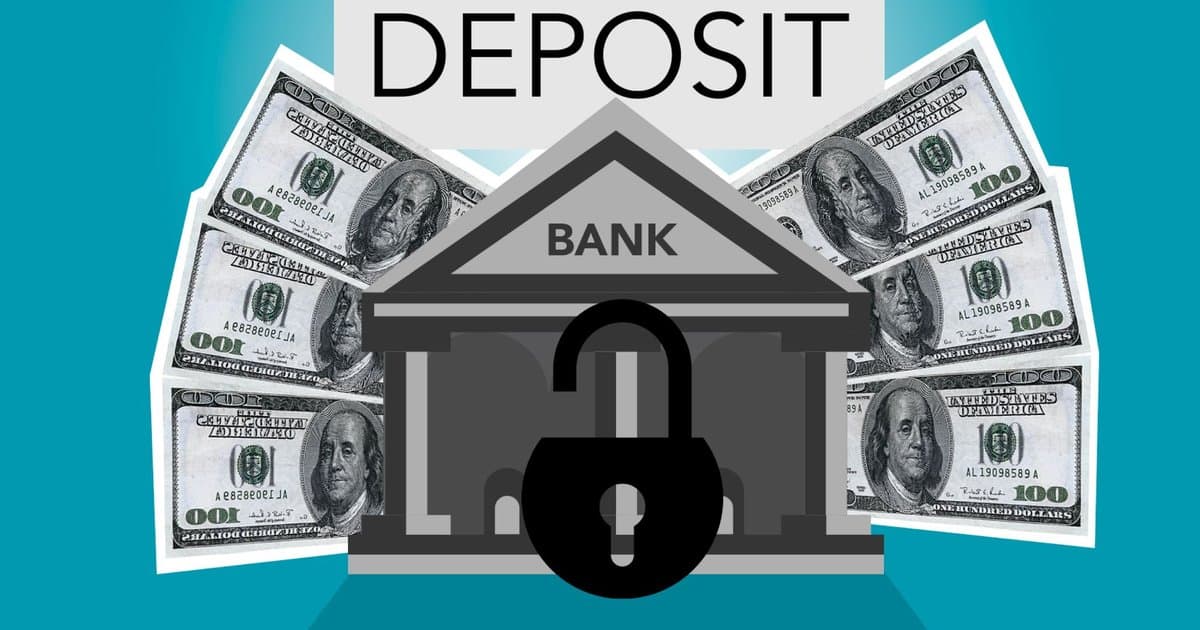
Now compare that to a high yield savings account. These are offered by many online banks and even some you already know. Instead of paying almost nothing, they have been paying somewhere in the range of four percent in recent years, though the exact rate moves with the broader economy. On that same ten thousand dollars, four percent is around four hundred dollars a year instead of one dollar. That is not a trick or a risky bet. It is the same dollars, in an account with the same federal insurance protection up to the standard limits, doing what your money is supposed to do while you sleep. The difference between one dollar and four hundred is not small, and it repeats every single year you leave it uncorrected.
People stay stuck for a few honest reasons. Some worry that a high yield account is complicated or a scam because the rate sounds too good compared to what their local branch offers. Others assume their money will be locked up and hard to reach in an emergency, which is not true for a standard high yield savings account. And plenty of people just never got around to it because the current setup is not causing any obvious pain. Nothing is on fire, so nothing gets changed. That is exactly how the mistake survives for years. It hides behind the fact that a checking account still works, it just works against you.
The fix takes about twenty minutes. Open a high yield savings account at a reputable bank, ideally one with federal deposit insurance and no monthly fees or minimum balance traps. Move your emergency fund and any money you do not need for daily bills into that account. Keep about one month of expenses in your checking account so your regular payments never bounce, and let the rest sit where it can grow. You can link the two accounts so transfers take a day or two, which is fast enough for real emergencies but slow enough to make you pause before spending on something you do not need.
There is a second layer worth understanding, and it is about which dollars go where. Money you might need this week belongs in checking. Money you are holding for a rainy day belongs in high yield savings. Money you will not touch for five years or more is a different conversation and usually belongs in longer term investments, because savings accounts are built for safety and access, not for building wealth over decades. Sorting your money by when you will need it is the whole game. Once you do that sorting, each dollar lands in the right place and starts working at the right speed.
Do not let the small size of the rate difference fool you into thinking this does not matter. A few hundred dollars a year sounds minor until you stack it across a decade, and then add the money you would have earned on those earnings. That stacking effect is why the people who fix this early end up so far ahead. They did not earn more or take bigger risks. They just stopped letting their savings sit in the one place designed to give them nothing. The account was never the problem. Leaving your money in the wrong account was.
If you take one action after reading this, open the account and move the money today while it is fresh in your mind. Momentum dies fast, and the version of you a year from now will either thank you or be reading this same article again wondering why the balance never grew. This is not about being an expert. It is about moving your money one time to a place that respects it, and then leaving it there to do its job.