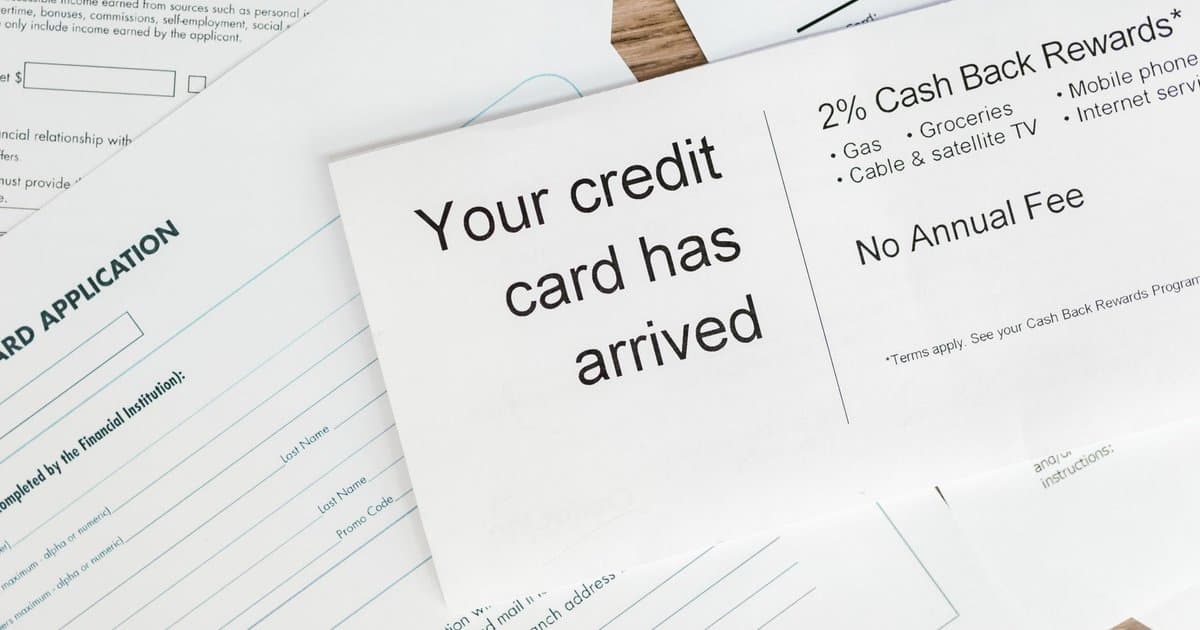
Credit card rewards are marketed as a gift, a way to get paid for spending you were going to do anyway. The points pile up, the cash back hits your statement, and it feels like you are quietly beating the system one purchase at a time. For a small group of disciplined people, that is roughly true. For most people, the rewards game is doing something else entirely, and the card companies designed it that way on purpose. Understanding what these programs actually cost you is the difference between using them well and being used by them. The reveal is that the house almost always wins, and the math explains why.
Start with the most important number, which is interest. Rewards cards tend to carry high interest rates, often well above twenty percent, and that rate only matters if you carry a balance. The trap is that the same psychology that makes points fun also makes it easier to spend past what you can pay off in full. The moment you carry a balance, the interest you owe dwarfs any rewards you earned, and it is not close. A few percent back in points means nothing when you are paying more than twenty percent on the money you borrowed to earn them. For anyone who does not pay the full statement every month, rewards are not a benefit, they are bait.
The second cost is the spending the rewards quietly encourage. Research on how people use cards consistently shows that points and cash back nudge people to spend more, not less. A reward tied to hitting a spending threshold turns an unnecessary purchase into a goal, and a card that pays extra in certain categories steers your choices toward spending in those categories. None of that feels like manipulation in the moment, because each decision seems small and reasonable. Added up across a year, the extra spending almost always exceeds the value of the rewards. You celebrate the few dollars back while ignoring the larger amount you spent to get them, which is exactly the reaction the program is built to produce.
There is also a cost you pay even when you never touch a credit card. Stores pay a fee every time a customer swipes, and the richest rewards cards carry the highest fees of all. Merchants do not absorb that cost, they bake it into their prices, which means everyone pays slightly more so that card companies can fund the points. People who pay with cash or debit and earn no rewards still pay the higher prices, effectively subsidizing the rewards of others. It is a hidden transfer built into the price of nearly everything you buy. That does not mean you should feel guilty for using a card, but it does puncture the idea that rewards are free money appearing out of nowhere.
So who actually comes out ahead. The winners are the people who pay their balance in full every month, never carry interest, do not let the rewards change what they buy, and put their everyday spending on a card with no annual fee or a fee they clearly beat. For that disciplined group, rewards are a genuine, if modest, perk, and there is nothing wrong with collecting them. The losers are everyone who carries a balance, chases bonuses by spending more, or pays a hefty annual fee for benefits they barely use. The card companies make their real money from interest and fees, and the rewards are simply the lure that keeps people swiping. Knowing which group you are in is the whole game.
It also helps to be honest about why these programs exist at all. A company does not give away points and cash back out of generosity, it does so because the average cardholder still ends up more profitable with the rewards than without them. The points are a marketing expense that pays for itself through interest, fees, and increased spending across the customer base. That does not make rewards a scam, but it does mean you should never assume the company is losing money on you. If the program is making them money, the only question that matters is whether you are in the small group it is not making money on.
The practical takeaway is simple, even if it is not what the marketing wants you to hear. If you cannot pay your full balance every month, the best financial move is to stop chasing rewards and focus entirely on getting out of debt, because the interest will always outrun the points. If you can pay in full, treat rewards as a small bonus rather than a reason to spend, and watch your statements for spending that crept up because a card made it feel rewarding. Pick a card whose value you can clearly measure against any fee it charges. Rewards can work in your favor, but only when you refuse to play the game the way it was designed to be played. The system counts on you forgetting that the points were never the point.