Almost everyone has heard the word hallelujah. It rings out in churches, in songs on the radio, and in movies reaching for a note of joy. Most people use it to mean something like hooray or thank goodness. That is not wrong, but it misses what the word actually carries. Hallelujah is not a single burst of feeling. It is a command with an object, and the object is God himself. Tucked inside those familiar syllables is one of the oldest names for the divine.
The word comes from ancient Hebrew and breaks into two parts. The first part is halelu, which means praise, spoken as a command to more than one person. The second part is Yah. That short syllable is a shortened form of the name of God, the name often written with four letters and connected to the word Yahweh. Put the pieces together and hallelujah means praise Yah, or praise the Lord. So every time the word is sung, it is really an instruction. It calls a whole group to turn their praise toward God by name.
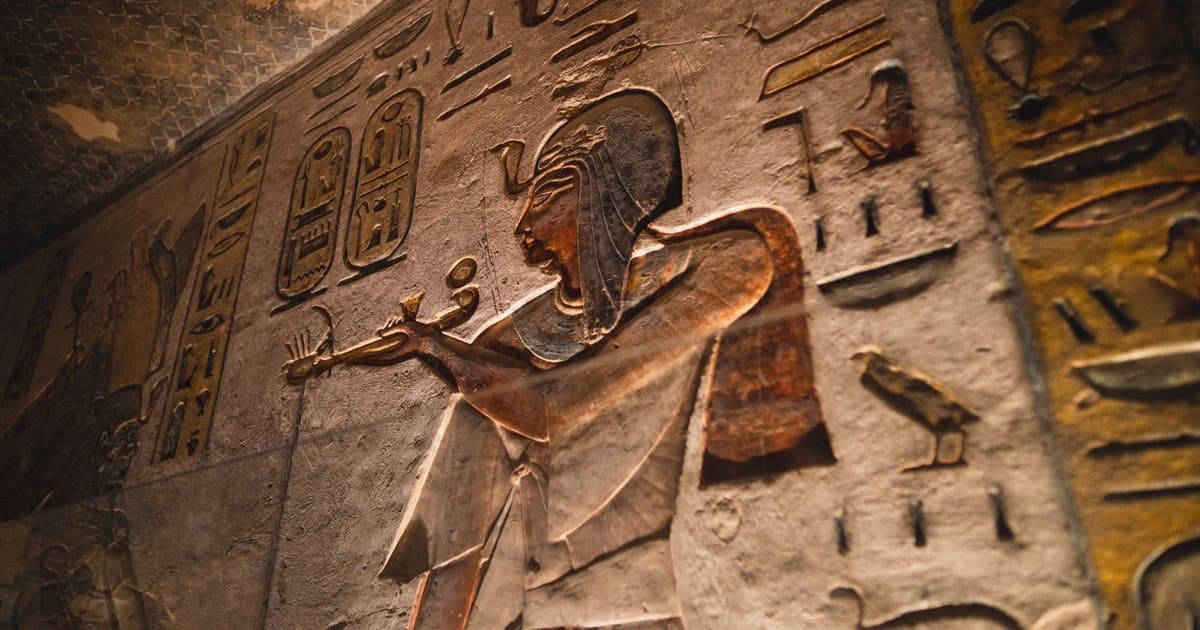
That short form, Yah, is worth pausing on. In the Hebrew scriptures the fullest name of God was treated with deep care. It was considered so holy that many would not say it aloud in ordinary speech. Yah is a compact, poetic version of that name, the kind that appears in songs and prayers. You can find it in ancient lines that declare God to be someone's strength and song. It carries the same weight as the longer name, only in a form small enough to sing. That is a large idea folded into one short syllable.
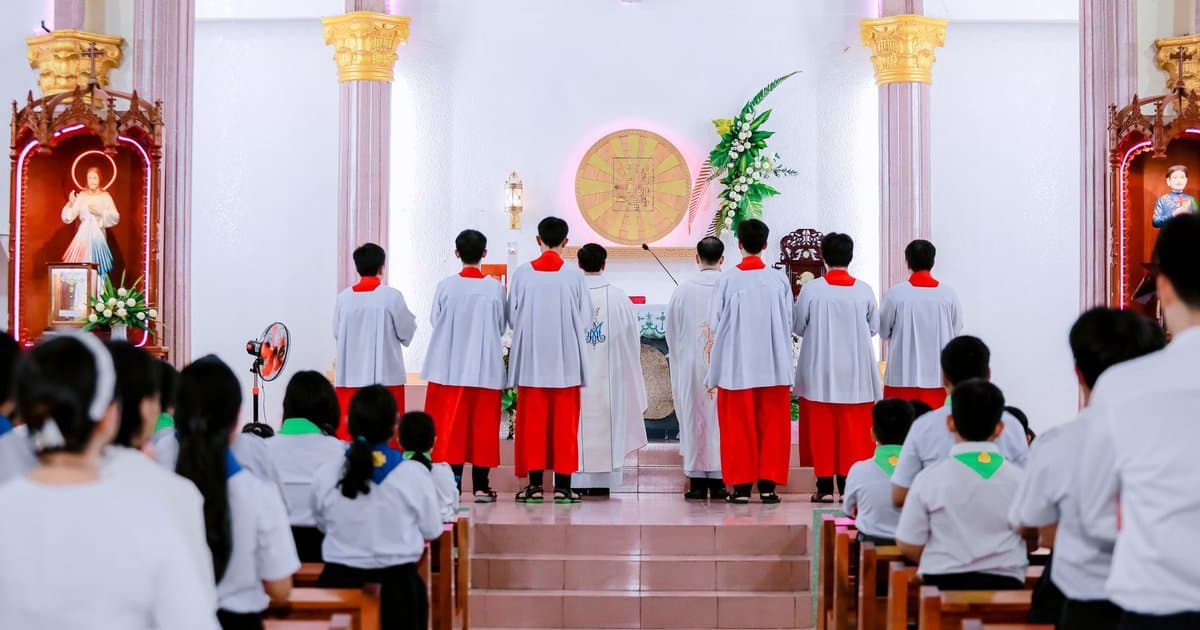
The word has a natural home in the book of Psalms. Several of the final psalms open and close with the call to praise Yah. These songs were sung by gathered worshippers, not read alone in silence. The word was a summons, a way to call the whole assembly into one voice. It set the tone for what followed, which was usually a long list of reasons God was worth praising. Reading those psalms with the meaning in mind changes the feel of them. The word stops being a decoration and becomes the door into the song.
One striking thing about hallelujah is how far it traveled unchanged. When the Hebrew scriptures were carried into Greek, then Latin, then English, most words were swapped for local ones. Hallelujah largely was not. It kept its shape across languages, showing up as alleluia in some traditions with only a small change in sound. That is why a worshipper today can sing nearly the same word an ancient singer used. Very few words survive that long with so little wear. It crossed thousands of years and many tongues while holding onto the name at its center.
The same small name hides in many other words people say without noticing. A number of names from scripture end in the sound iah, and that ending points back to the same divine name. The name Isaiah carries the sense that God, Yah, is salvation. Others in that family fold the name of God into their meaning in the same quiet way. Once you know to listen for it, you begin to hear it in places you never expected. A name that seemed too sacred to speak turns out to be scattered gently through common words. It hides in plain sight, waiting for someone to notice.
There is a quiet lesson in knowing what the word means. A term that many treat as a throwaway cheer is, at its root, a call to worship. Saying it with understanding turns a reflex into something with direction. It is one thing to shout for joy and another to name the one you are shouting toward. For people of faith, that difference is not small. The word invites them to praise, and it tells them exactly who the praise belongs to. Meaning tends to deepen the moment it is understood.
Hallelujah is a small word doing very large work. In a handful of letters it holds a command, a whole gathered people, and the name of God. It has outlasted empires and languages while keeping that name safe at its core. The next time it shows up in a song, you can hear it differently. It is not just a happy sound rising at the peak of a chorus. It is an old and steady call to praise Yah, passed hand to hand across the centuries. Few words carry that much and still fit so easily in the mouth.