The Liturgy of the Hours is the daily prayer of the Catholic Church. It dates back to the early monastic communities and was formalized over centuries into a structured cycle of psalms, readings, and prayers tied to specific times of day. Lay Catholics have prayed it alongside priests and religious for as long as it has existed. The current four-week cycle was reformed after Vatican II and is contained in a four-volume set most parishes carry, or in a single one-volume edition called Christian Prayer.
The structure is simple once you see it. There are seven hours in the full Office. Most lay people pray two or three of them. Morning Prayer, called Lauds, anchors the day. Evening Prayer, called Vespers, closes the workday. Night Prayer, called Compline, is short and prayed before bed. The Little Hours run about five minutes each at midmorning, midday, and midafternoon.
A typical Lauds takes ten to fifteen minutes. You open with an invocation, pray a hymn, work through three psalms or canticles with antiphons, hear a short scripture reading, and pray the Benedictus, which is the canticle of Zechariah from Luke 1. Intercessions and the Lord's Prayer follow. Vespers mirrors the structure but uses the Magnificat, the canticle of Mary from Luke 1, instead. The texts change daily on a four-week rotation overlaid with the liturgical season.
Most adult Catholics treat prayer as a slot to find rather than a rhythm to live inside. Hallow has 28.4 million users. Centering prayer apps have boomed. None of that replaces what the Hours do, which is force a person to stop at fixed points in the day and pray words the Church gave them. There is no producing the right feeling. There is no figuring out what to say. The book hands you the words, and you say them.
Three things make this practice land for working adults. The first is that the psalms cover every emotional register. There are psalms of grief, anger, vindication, surrender, gratitude, fear, and confidence. When a person prays them daily over months, the psalms surface emotions the person did not know were there. Praying Psalm 88, the darkest psalm in the Psalter, on a Friday afternoon when nothing in the day called for it has a way of revealing what the person has been carrying.
The second is that the Hours connect the person to the universal Church praying simultaneously. At any given moment somewhere in the world, monks, priests, religious sisters, and lay Catholics are praying the same psalms. This is not a metaphor. It is the actual structure of the prayer. The Office is the public prayer of the Body of Christ.
The third is the way it disciplines time. A person who commits to Lauds at 7 AM and Vespers at 6 PM has built two non-negotiable anchors into the day. Email cannot push them. A meeting that runs over has to wait. The decision was made at the start of the week. This is the same logic gym discipline runs on, but applied to the inner life.
Getting started is uncomplicated. Christian Prayer, the one-volume edition, runs about $40 from Catholic Book Publishing. The four-volume set is $190 and contains the full Office of Readings, which adds a longer scripture and patristic reading each day. Most beginners use the one-volume. Apps like iBreviary and Universalis serve the daily texts free or for a small annual fee. The Pray As You Go podcast covers a Lectio-style version, but that is not the Office itself.
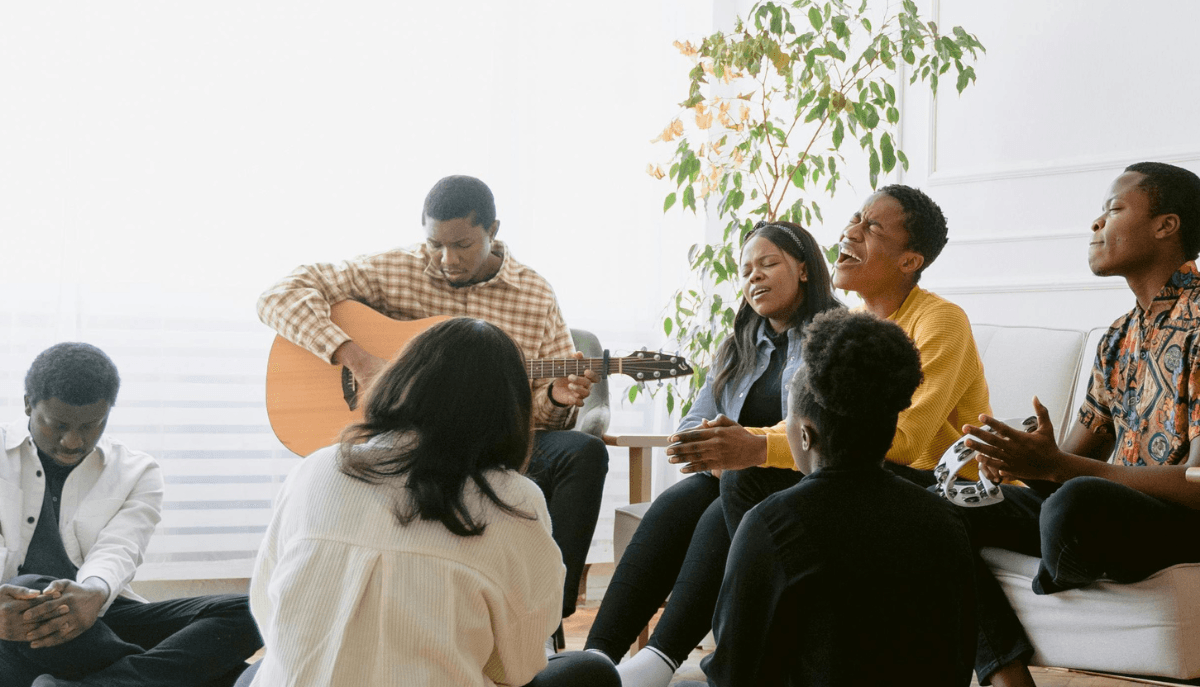
The Diocese of Nashville lists Liturgy of the Hours groups at three parishes that pray Lauds together before daily Mass. Cathedral, St. Henry, and Christ the King host these. A person can also pray it solo, and many do. There is no requirement to pray with others.
The first two weeks are awkward. The ribbons in the book never seem to stay in the right place. The antiphons feel mechanical. By week three, the rhythm clicks. Around week six, a person starts noticing that certain psalms have started reading them rather than the other way around. This is the point of the practice.
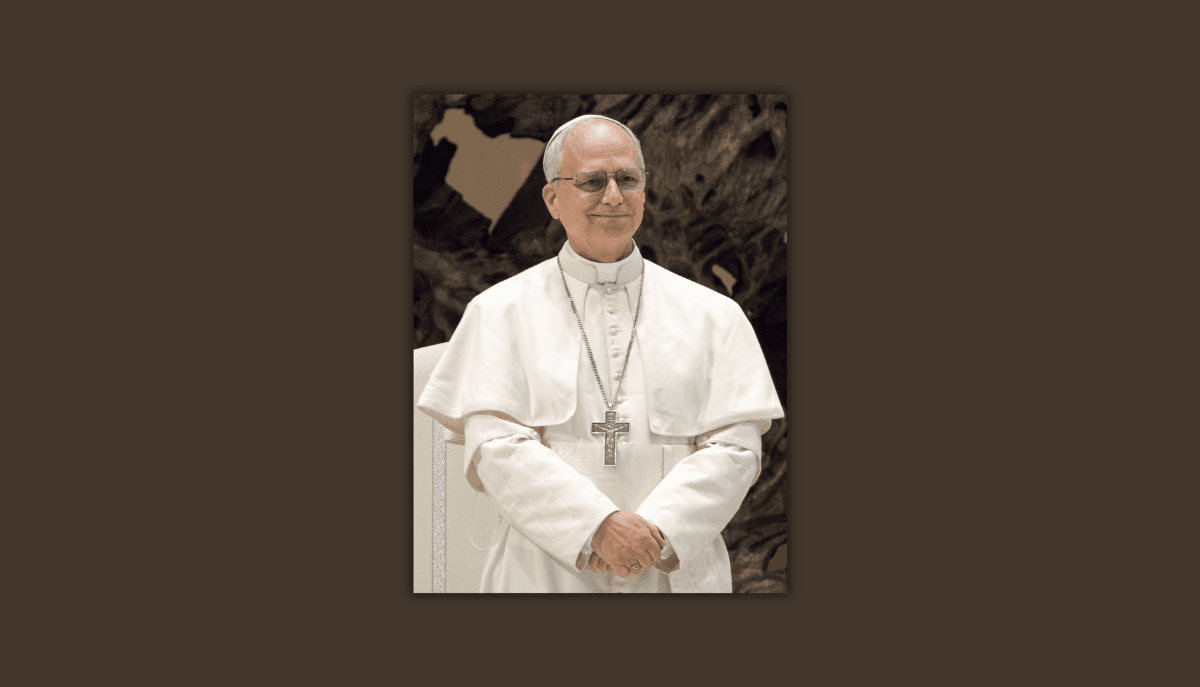
Pope Leo XIV has prayed the full Office daily since his Augustinian formation in the 1970s. He has spoken about how the rhythm formed his theology before any of his books did. That is the testimony from the top of the Church about a practice the Church gives every baptized person.
Faith does not run on feelings. It runs on the words the Church has prayed for two thousand years. The Hours hand those words to a person who decides to stop pretending the day belongs to them and start admitting it belongs to God.